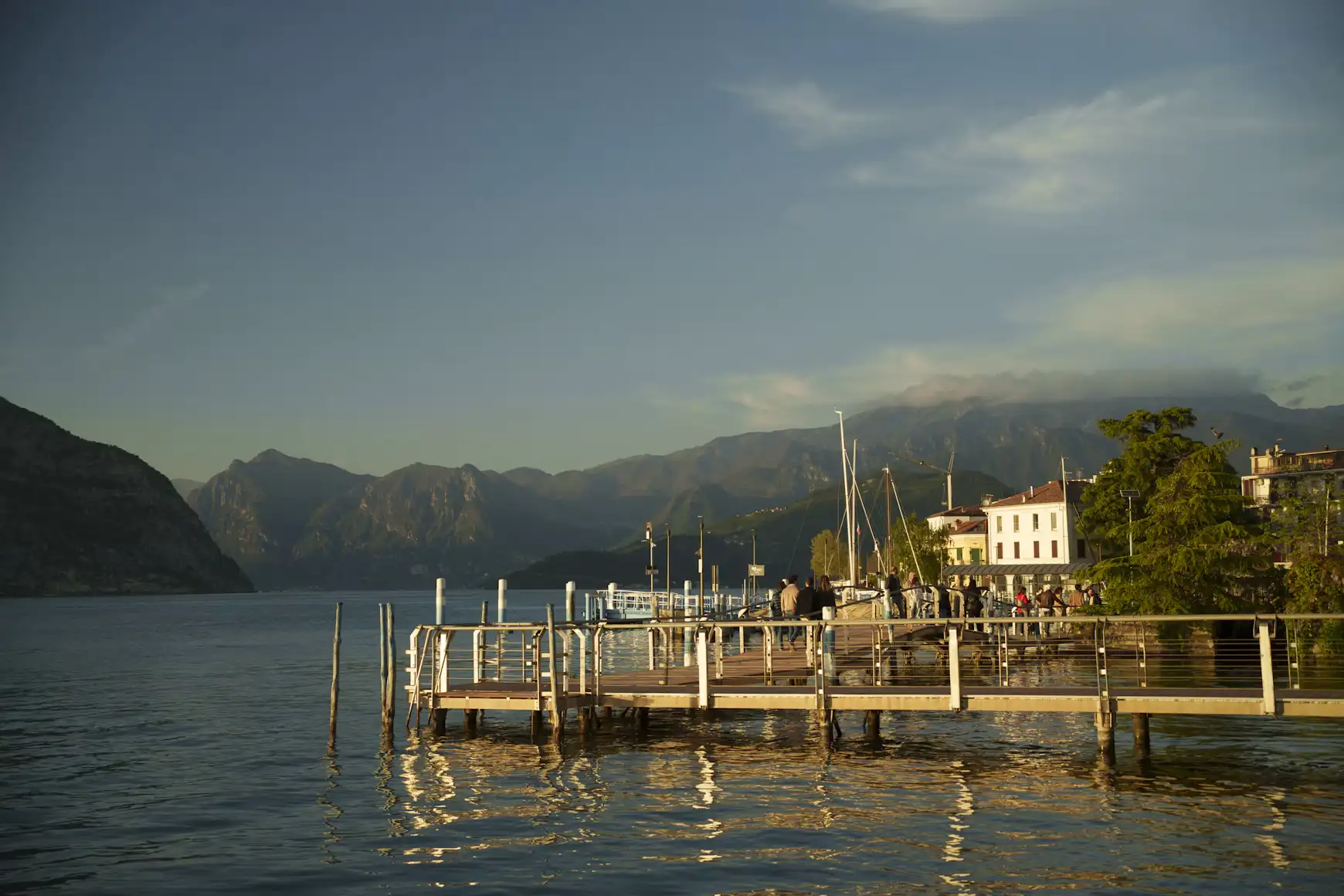
Classic television turned the lake into shorthand for a better kind of summer. Families gathered on weathered docks, neighbors dropped by without texting first, and long afternoons unfolded at an unhurried pace.
Those scenes still shape how people imagine waterfront living today, even as modern comforts have changed what a weekend on the water looks like.
Nostalgia on the Waterfront
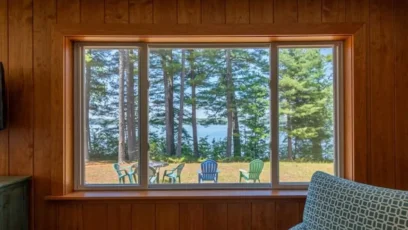
Classic TV often presented lake life through small, memorable details: a screen door swinging shut, damp towels hanging from a railing, and breakfast served after an early swim. The settings felt familiar even to viewers who had never stayed near a lake.
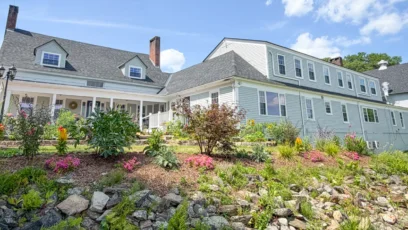
That appeal continues in real homes. A look at the appeal of old lake houses highlights enduring features such as simple architecture and family history. You can capture some of that character without redecorating an entire property.
Try vintage outdoor chairs, striped cotton throws, or a basket by the door for sunscreen and towels. Useful objects often create the strongest nostalgic atmosphere.
Rural Escapes on Primetime Screens
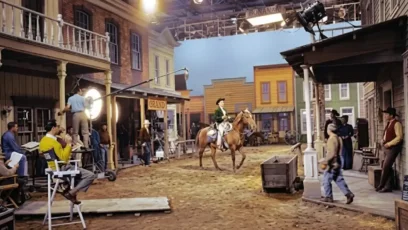
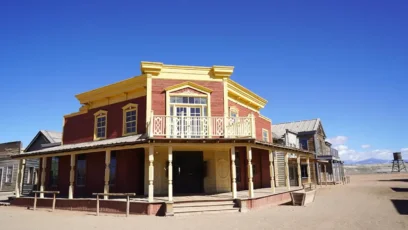
Television’s rural retreats gave characters space to talk, solve everyday problems, and reconnect. The lake became a natural gathering place where several generations could share the same scene. Much like the enduring appeal of the Bonanza filming location and other iconic television settings, these landscapes helped make waterfront vacations feel both aspirational and attainable.
Modern families can create a similar setting by choosing activities that suit different ages. A roomy deck works for lunch and card games, while pontoon boats provide West Michigan buyers with a social layout for relaxed outings on the water.
Before shopping, estimate your usual passenger count, storage needs, and maintenance budget. A vessel sized for your real routine will serve you better than one selected for a once-a-year crowd.
Lessons from Slower Eras
Older programs rarely showed lake weekends packed with reservations and rigid schedules. Characters lingered over coffee, read on the porch, and let the day change with the weather. That slower rhythm remains one of the most useful ideas to borrow.
The PBS documentary Seasons at the Lake also reflects the close relationship between waterfront places, seasonal changes, and community life. Give that rhythm room during your own visit.
Plan one anchor activity per day, such as a morning paddle or sunset dinner, then leave the remaining hours open. Keep a deck of cards and a few books nearby for rainy stretches instead of treating quiet weather as a ruined plan.
Upgrading the Floating Porch
A boat often functions like a floating porch, especially when comfort and conversation guide the setup. Start with practical items that reduce clutter. Designate one dry container for phones and keys, keep reusable water bottles in an easy-to-reach cooler, and assign each person a place for shoes or bags.
Shade also deserves attention during long afternoons. Check canopy coverage before departure and pack lightweight layers for the ride back. For music, use a small speaker at a volume that lets everyone talk and keeps the surrounding water pleasant for other visitors.
At the end of each outing, spend 10 minutes removing trash, and wiping down surfaces. That short reset makes the next departure much easier.
Reclaim Your Summer Routine
Lake life feels restorative when it becomes part of a rhythm, not an elaborate production. Choose a repeatable window, such as every other Sunday afternoon and keep a dedicated tote packed with towels, sunscreen, and simple snacks. Fewer departure-day decisions mean you’re more likely to go.
Give the routine one personal tradition. It might be taking a photo from the same dock each month, making sandwiches from a family recipe, or watching the sky change color before heading home. Classic TV made these small rituals look effortless because they were woven into ordinary life. The best modern version works the same way: the cooler stays packed, the porch light comes on, and nobody needs a special occasion to spend another hour by the lake.