TLDR: Maine Cabin Masters films primarily in the Kennebec Valley of central Maine, with most builds occurring within 30 miles of Augusta on lakes including Cobbosseecontee, Great Pond, and Maranacook.
The Kennebec Cabin Company headquarters at 915 Western Avenue in Manchester is open to visitors seven days a week with a retail shop, The Woodshed restaurant, and regular live music.
Two cabins renovated by the crew are publicly available to rent. The Building Italy spin-off was filmed in Fossalto in the Molise region of Italy.
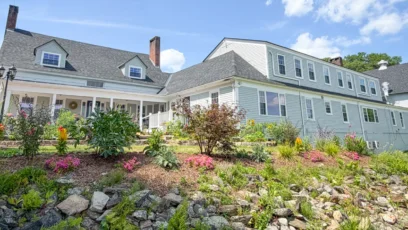
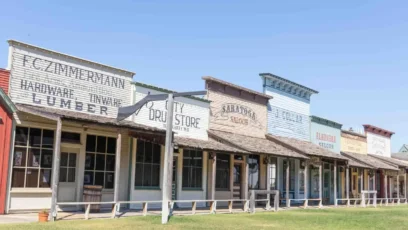
The Kennebec Cabin Company headquarters in Manchester, Maine, sits on the site of an 1850s tavern. The original hitching post is still there. Fans drive from across the country specifically to visit, and they regularly encounter Chase Morrill, Ryan Eldridge, or Ashley Morrill working on the premises.
That’s not a typical reality television experience. Most shows exist entirely on screen. Maine Cabin Masters has a physical address you can drive to, a restaurant you can eat at, and two renovated cabins you can actually sleep in.
Here is where the show films and what you can visit.
Most of the Show Films Within 30 Miles of Augusta
The geographic center of Maine Cabin Masters is the Kennebec Valley in central Maine. The crew is based in Manchester, just outside Augusta, and the majority of their builds occur on the lake systems within a 30-mile radius of the state capital.
This concentration is partly logistical, since the crew needs to be able to get back to their base, and partly a reflection of where Maine’s historic camp culture is densest.
Cobbosseecontee Lake is the single most-featured body of water in the show’s history with 13 builds across its shores. It is a massive multi-town lake with a high density of historic camps and complex island logistics.
Great Pond in the Belgrade Lakes chain has hosted six builds, Maranacook Lake six, and Annabessacook Lake in Winthrop four.
These are not famous tourist destinations on the level of Moosehead Lake or the Maine coast, but they are the heart of the “camp” culture the show documents — multi-generational family retreats that have been in the same families for decades and are now falling apart in ways that would cost a fortune to fix without a television crew.
The Kennebec Cabin Company in Manchester Is the Place to Start
The KCC headquarters at 915 Western Avenue in Manchester is open to visitors year-round, seven days a week. The retail shop runs from 10 AM to 5 PM Monday through Saturday and until 4 PM on Sundays.
The Woodshed restaurant and bar is open from 11 AM to 9 PM daily, serving local microbrews and Maine-inspired food.
The facility was built on the former Daggett family homestead, which was the subject of the show’s first episode.
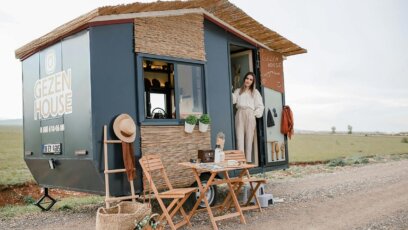
The crew redesigned the 1850s farmhouse into a retail and media space. The Woodshed out back serves as a restaurant, event venue, and podcast recording studio where the crew records their From the Woodshed podcast.
The Rock the Dock Stage, an outdoor live music venue built from repurposed lake docks, runs Thursday through Sunday from June through October.
The retail shop stocks Maine-made products from the same local artisans the crew visits on camera — Barn Boards and More in Gardiner, Chainsaw Ray Murphy carvings from Hancock, Maine Heritage Timber from Millinocket. Ashley’s Rustic County art and decor line is available there as well. If you want to take a piece of the show home with you, this is where to do it.
Two Renovated Cabins Are Available to Rent
The Kennebec Land Trust eco-cabins on the Wakefield Wildlife Sanctuary in West Gardiner are available to the public from July through October. The crew renovated these two cabins in 2019 as part of a project with the Land Trust.
They use hand pumps for stream water and include bat houses for local wildlife. They are basic, intentionally so, and that’s the point.
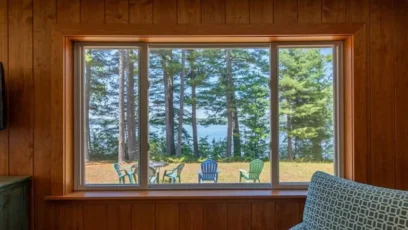
Staying in them is the closest most fans will get to the actual Maine camp experience the show is built around.
Agassiz Village in Poland, Maine, on Thompson Lake is another publicly accessible renovated site. The crew restored the historic gazebo at this 330-acre non-profit youth development camp. The facility is available for rentals, weddings, and corporate retreats and sits on one of the most beautiful lakes in central Maine.
The Show Has Filmed Across the Entire State
While central Maine is the operational home, the show’s geographic reach extends to every corner of the state. The furthest north project was at Moosehead Lake near Greenville, where the crew renovated multi-family lodges in the deep woods.
The furthest south was the Triangle House at Popham Beach in Phippsburg, an unusual 1922 gas station converted into an artist’s residence that is one of the most photographed exteriors in the show’s history. The furthest east was on Frenchman Bay in Hancock.
The furthest west was in the Rangeley Lakes area near Mooselookmeguntic Lake.
The Nine Mile Camp in the Allagash area represents the show’s most remote build. The crew had to navigate whitewater rapids to reach the site.
Projects like this require barging all materials to the location and managing tools with extreme precision because there is no quick trip back to the supply store when something is missing.
The Italy Season Was Filmed in Fossalto in Molise
The Building Italy spin-off was filmed in Fossalto, a small town in the Molise region of central Italy. Chase and Sarah Morrill purchased a 100 to 200-year-old stone property there for $97,000, chosen specifically because Molise is known as Italy’s “forgotten” region — quieter and more authentically rural than Tuscany or Umbria, with panoramic valley views and an olive grove that reminded the crew of rural Maine.
The property had 13 individual owners across five families and required a 17-page contract signed before a notary. Italian seismic regulations required local contractors to take the lead on structural work, which put the Cabin Masters in a more collaborative and sometimes secondary role compared to their Maine builds.
The crew investigated the famous one-euro house programs but chose to buy a market-rate property instead because the one-euro stipulations were incompatible with their three-month production window.
The Italy property is now a private Morrill family vacation home. No further international seasons have been announced. For anyone inspired by the Italy season and curious about the one-euro house programs, the full breakdown of what those programs actually cost and require is here.
Planning a Maine Cabin Masters Trip
Manchester is the logical base. The KCC and Woodshed are open year-round, and Augusta has full hotel and restaurant infrastructure. The surrounding towns of Hallowell and Gardiner, both of which appear in the show regularly, are worth exploring on foot.
The Cobbosseecontee Public Boat Launch gives visitors access to the lake that has hosted more builds than any other in the show’s history. The lake is too large to see specific cabin sites from shore, but getting on the water gives a real sense of the scale and landscape the crew works in.
For the Northern Loop, Greenville on Moosehead Lake is the gateway town. For the Western Mountains, the Carrabassett Valley and Sugarloaf area. For the coast, Phippsburg and the Harpswell peninsula. Each region has been the setting for multiple episodes and rewards the kind of slow exploration your demographic does well.
Avoid mud season, which runs roughly March through May. The unpaved roads leading to the lakes become impassable for regular vehicles. June through October is the window when the full Maine experience the show documents is accessible.
The show works because Maine is genuinely what it looks like on screen. The lakes are that remote, the camps are that old, and the people are that rooted in the place. You can go and see for yourself.
That’s not something most television shows can offer.