TLDR: I Love Lucy ran on CBS from 1951 to 1957, spent four of its six seasons as the highest-rated show on television, and ended voluntarily at the peak of its popularity.
The four people who made it work had lives far more complicated than anything that aired on Monday nights, and the innovations they built into its production changed television permanently.
On October 15, 1951, I Love Lucy made its primetime debut on CBS. The network had been skeptical. They did not want Desi Arnaz. They did not want to pay for 35mm film. They did not want a show shot in Hollywood when all serious television production happened in New York.
They were wrong about everything.
The Show and What It Did to Television
I Love Lucy spent four of its six prime-time seasons as the highest-rated program on television, never finishing lower than third place in any season it aired.
The overall rating of 67.3 achieved during the 1952 to 1953 season remains the highest average rating for any single season in television history.
The pinnacle came on January 19, 1953, with the episode “Lucy Goes to the Hospital,” in which Lucy Ricardo gave birth to Little Ricky.
The broadcast drew 44 million viewers, representing a 71.7% rating and a 72% audience share. The presidential inauguration of Dwight D. Eisenhower took place the following day.
Eisenhower’s inauguration drew a television rating of 67.7%, meaning 15 million more Americans watched the birth of a fictional baby than watched the swearing-in of the president.
Eisenhower later told Lucille Ball: “Is that the young man who knocked me off the front pages?”
The show ended in 1957 not because it was cancelled or declining, but because Lucille Ball and Desi Arnaz chose to stop.
Six years of weekly production had expanded Desilu Productions from 12 to 800 employees. Their personal marriage was under severe strain.
Rather than running the characters into the ground, they transitioned to a less demanding format: thirteen one-hour specials that aired occasionally between 1957 and 1960 under the title The Lucy-Desi Comedy Hour. The specials ended in 1960, coinciding with their real-life divorce.
I Love Lucy was the first television series to end its run while sitting at the absolute top of the Nielsen ratings. It has never been cancelled. It streams today on Paramount+ with all 180 remastered episodes available.
The Deal That Invented Syndication
In 1951, the standard television practice was to broadcast live from New York, distributing the feed to West Coast affiliates through cheap kinescope recordings that degraded the image to near-unwatchable quality. CBS and sponsor Philip Morris wanted the show produced this way.
Ball and Arnaz refused to leave Hollywood.
Arnaz proposed shooting on 35mm film. CBS refused to pay the higher costs. Arnaz made the counteroffer that changed television economics permanently: Desilu would cover the additional production expenses in exchange for CBS ceding 100% ownership of the physical film negatives to the production company.
CBS, viewing television as an ephemeral live medium with no post-broadcast value, agreed without hesitation.
Because the episodes were shot on high-quality film rather than unstable kinescopes, they retained their visual quality indefinitely.
Desilu realized they could license these filmed episodes back to networks for daytime rebroadcasts, creating what became known as the television rerun and inventing the multi-billion-dollar syndication industry.
By the mid-1950s, the show was earning over $1 million annually in reruns alone.
Lucille Ball as Lucy Ricardo
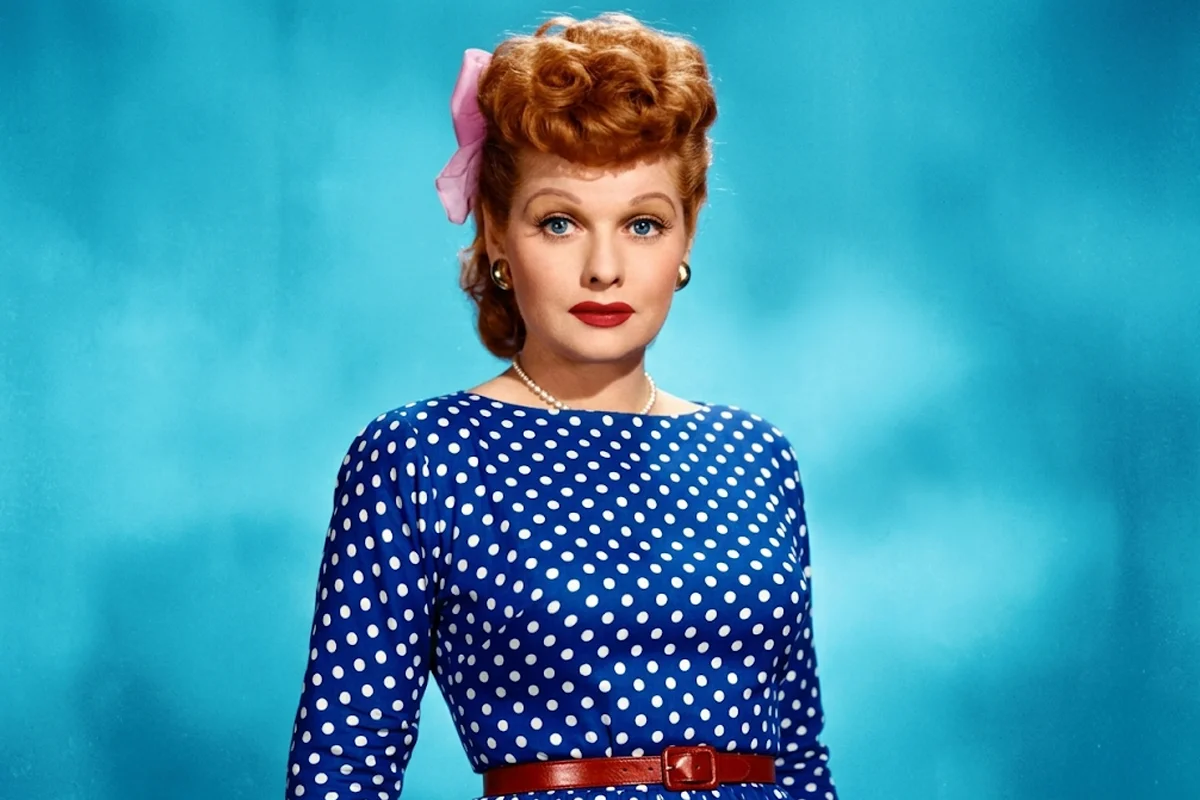
Lucille Ball played Lucy Ricardo, a middle-class Manhattan housewife whose desperate and inventive attempts to escape domesticity and enter show business drove the narrative conflict of every episode.
Ball synthesized her background in modeling, radio, and film to pioneer a style of physical comedy that shattered contemporary expectations of how women could behave on television.
She was also a ruthless professional. Ball demanded absolute precision in rehearsals and treated a pratfall with the same disciplined attention she gave to dialogue. Her genius was precision disguised as panic.
The chocolate conveyor belt, the Vitameatavegamin commercial, the grape vat were not accidents. Every movement had been rehearsed until it looked completely spontaneous.
After the show ended, Ball bought out Arnaz’s shares of Desilu in 1962 for $2.5 million, becoming the first female head of a major Hollywood production studio.
Under her leadership, Desilu developed Star Trek, Mission: Impossible, and The Dick Van Dyke Show. She sold Desilu to Gulf+Western in 1967 for $17 million and continued producing her own television work through Lucille Ball Productions until Life with Lucy was cancelled in 1986.
She died on April 26, 1989. The full story of her life is covered in her biographical hub.
Desi Arnaz as Ricky Ricardo
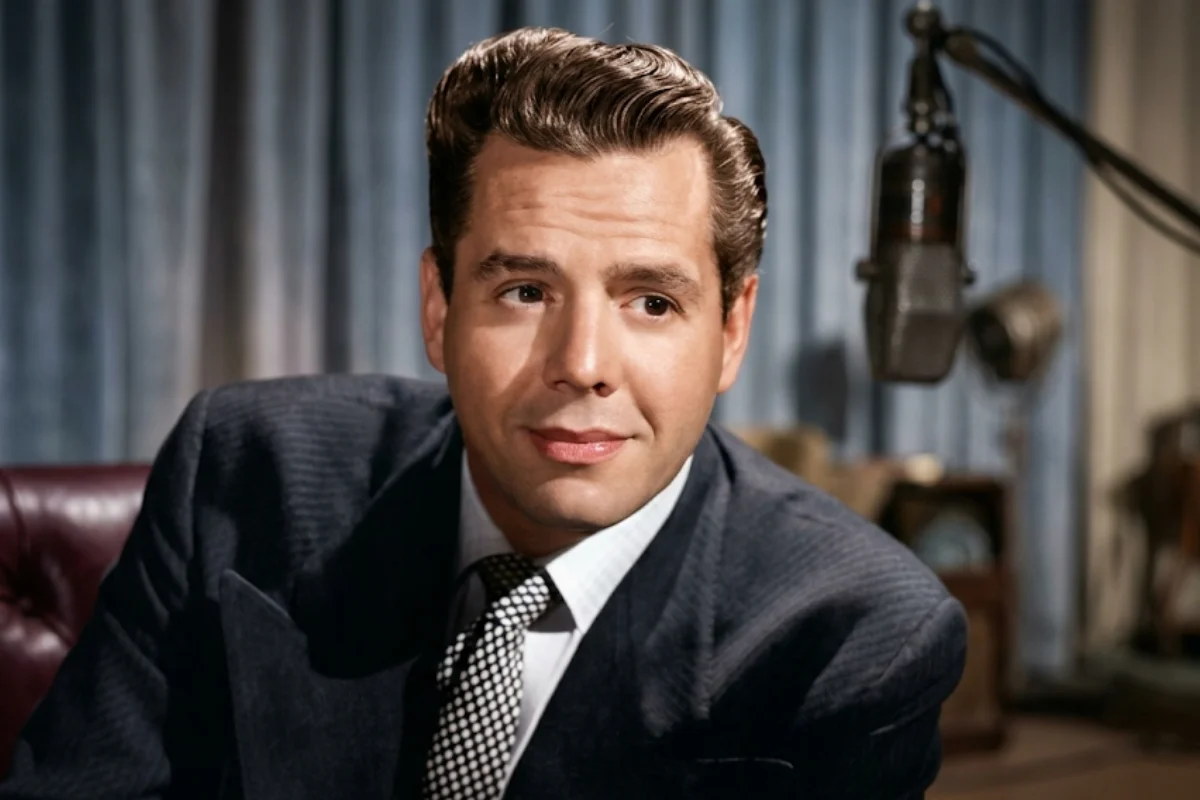
Desi Arnaz played Ricky Ricardo, a Cuban-born orchestra leader whose explosive temper and musical performances at the Tropicana club provided the gravitational center around which Lucy’s schemes orbited. Arnaz’s performance as the straight man was essential to making the absurdity of each episode feel grounded in a real marriage.
His greater contribution was behind the camera. Arnaz recruited cinematographer Karl Freund to develop the three-camera filming system that allowed the show to be shot continuously in front of a live audience without stopping to adjust lighting.
He negotiated the syndication deal that made them millionaires. He built Desilu from a single show into a studio that employed 800 people. The case for Desi Arnaz as the most underappreciated figure in television history is detailed in his full biography.
Vivian Vance as Ethel Mertz
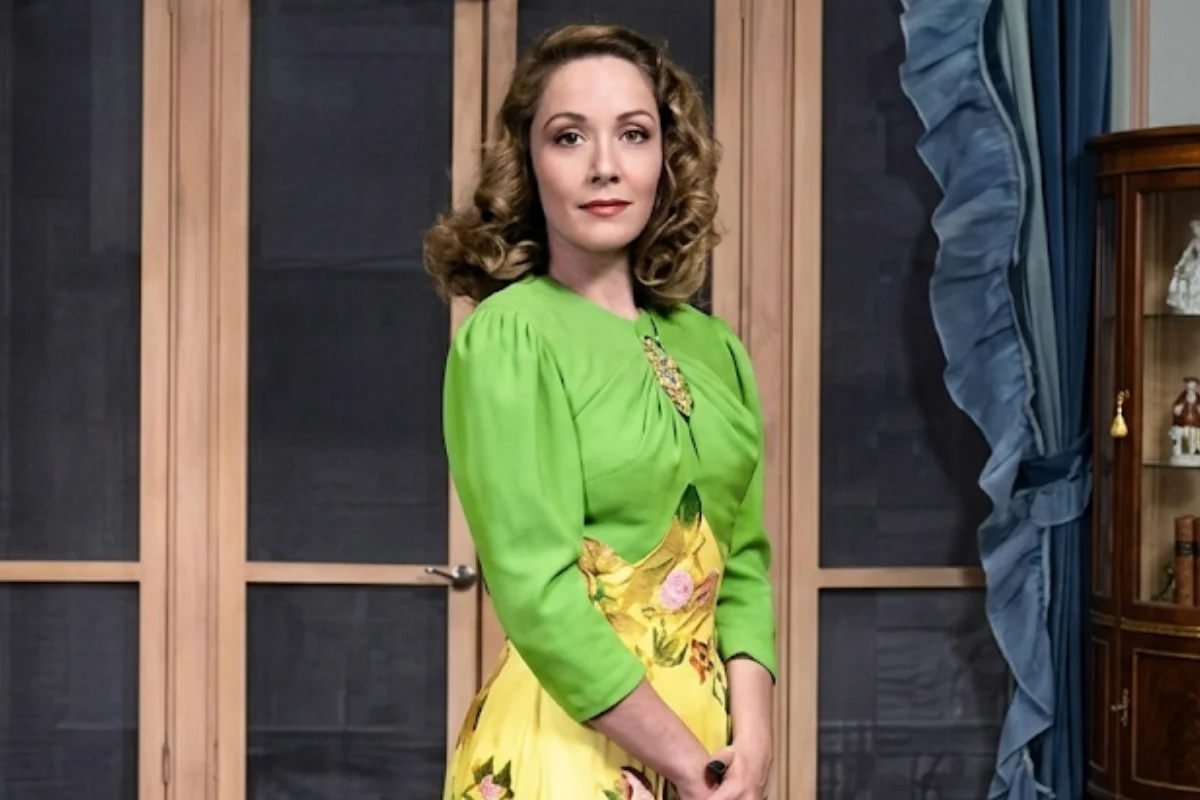
Vivian Vance played Ethel Mertz, the practical, dry-witted landlady who served as Lucy’s devoted friend and reluctant co-conspirator. Vance brought a trained Broadway sensibility to the role, balancing Lucy’s manic physical energy with a grounded, skeptical delivery that made her the perfect foil.
What the audience did not see was that Vance, then 42, deeply resented being cast opposite William Frawley, who was 22 years her senior, and was deliberately dressed in unflattering, dowdy wardrobe to appear closer to his age.
The weight clause that is often cited as part of her contract was a myth originating from a gag document Ball presented at a party. Despite all of this, Vance won the first Primetime Emmy ever awarded for Outstanding Supporting Actress and was the finest professional on the show’s set.
Her full story is in her biography.
William Frawley as Fred Mertz
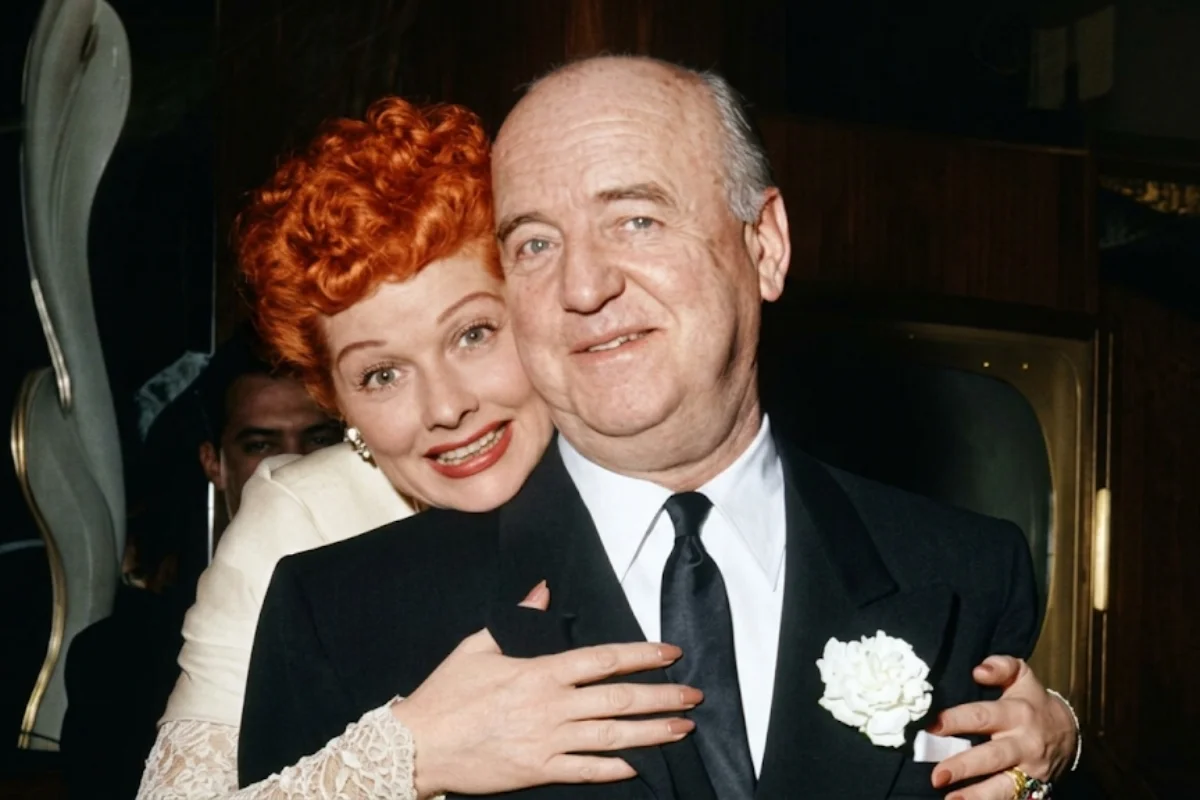
William Frawley played Fred Mertz, the cheap, grumbling landlord whose deadpan cynicism and vaudevillian timing provided the dry counterweight to the show’s more energetic performances.
Frawley was not the first choice for the role. He was considered virtually unemployable in 1951 due to decades of well-documented alcoholism. Desi Arnaz gave him the job on the condition that he sign a three-strike sobriety pact: one infraction would cost him his paycheck, a second would earn a formal warning, and a third would end his career entirely.
Frawley honored every term of that agreement for nine years, never once arriving late or intoxicated. His near-photographic memory allowed him to master an entire week’s script in a single read-through.
The feud between Frawley and Vance was genuine and sustained, and when CBS offered them a lucrative spin-off series after the show ended, Vance’s refusal to participate cost Frawley the opportunity. His full biography is covered here.
Keith Thibodeaux as Little Ricky

The role of Little Ricky was played by Keith Thibodeaux, billed under the stage name Richard Keith because Desi Arnaz believed his Cajun French surname would be difficult for American audiences to pronounce. Thibodeaux was a musical prodigy who had been touring with the Horace Heidt Orchestra at the age of three, earning $500 a week.
His audition in 1955 consisted of sitting down at a drum kit on the soundstage and playing. Arnaz walked over, jammed with him, stood up, and declared: “Well, I think we found Little Ricky.”
Thibodeaux became close to the entire Arnaz family and personally taught Desi Arnaz Jr. to play drums. He later struggled with drug addiction and depression before becoming a born-again Christian in 1974, which led to a full personal recovery.
He subsequently became executive director of Ballet Magnificat!, an international Christian dance company.
Now 75, he lives in Mississippi and holds the distinction of being the last surviving regular cast member of I Love Lucy.
The persistent public belief that Desi Arnaz Jr. played Little Ricky on the show is incorrect. Desi Jr. was never featured in any episode. The confusion arose because his real-world birth was synchronized with the fictional birth of Little Ricky on the same day, January 19, 1953.
The full story of that confusion and its lasting effects on Desi Jr.’s life is covered in his biography.
The Production Innovations That Changed Television
Jess Oppenheimer served as producer and head writer for the first four seasons, and Lucille Ball frequently called him the brains of the operation.
He had led her radio show My Favorite Husband and brought the same creative discipline to the television transition. Working with the writing team of Madelyn Pugh and Bob Carroll Jr., Oppenheimer wrote every episode of the series for its first four seasons, establishing narrative structures and character dynamics that became the template for domestic sitcoms that followed.
He also held 18 patents, most notably for the first in-lens teleprompter, which he invented and first used during a filmed Philip Morris commercial on December 14, 1953. It remains the global standard for news anchors and politicians today.
Karl Freund, the legendary cinematographer behind Metropolis and Dracula, solved the technical problem of filming continuous comedy action before a live audience without stopping to adjust lighting.
His solution was a proprietary flat lighting system that mounted massive light banks onto an overhead grid above the set, bathing the entire stage in even, high-quality illumination.
Three BNC Mitchell cameras on wheels ran simultaneously: a center camera for master wide shots, and left and right cameras for medium shots and close-ups.
The system allowed the actors to perform full 30-minute episodes chronologically from start to finish without interruption, preserving the organic comedic momentum that made Ball’s physical performances look spontaneous.
The weekly production schedule was run with theatrical discipline. Monday through Wednesday were dedicated to exhaustive physical rehearsals and dialogue run-throughs.
Thursday morning added camera rehearsals. Thursday afternoon was the full dress rehearsal. Thursday evening was the final performance before a live studio audience of 300 people.
Ad-libbing was strictly forbidden. The laughter heard in broadcasts was entirely genuine, captured from the audience in real time, with no laugh track added afterward.
The Most Famous Episodes
“Job Switching,” Season 2, Episode 4, is the one everyone knows as the chocolate factory episode. Lucy and Ethel take jobs at a candy factory while Ricky and Fred attempt to manage the household.
The climax features the two women stuffing chocolates into their mouths, shirts, and chef hats as the conveyor belt accelerates beyond their ability to keep up. To achieve the required timing, actual professional candy dippers were cast on the line, forcing Ball and Vance to match the speed of a real industrial process.
“Lucy Does a TV Commercial,” Season 1, Episode 30, features Lucy inserting herself as the spokesperson for a liquid health tonic called Vitameatavegamin, which is 23% alcohol.
As she performs multiple rehearsal takes she grows progressively intoxicated, and Ball’s dissolution of “Vitameatavegamin” into slurred nonsense across multiple takes is a masterclass in verbal and physical timing that required her to execute complex tongue-twisting dialogue while accurately simulating the stages of intoxication.
“Lucy Goes to the Hospital,” Season 2, Episode 16, is the ratings record episode, coordinated to air on the same day Ball’s real-life cesarean section delivered Desi Arnaz Jr. The broadcast drew 44 million viewers and its cultural footprint in the following days exceeded that of Eisenhower’s inauguration.
“Lucy’s Italian Movie,” Season 5, Episode 23, sends Lucy into a grape-stomping vat where what begins as a colorful preparation for an Italian film role devolves into a silent, muddy physical brawl with a local woman.
The scene relies almost entirely on pantomime, drawing directly from the silent cinema traditions of Chaplin and Keaton.
“L.A. at Last!,” Season 4, features Lucy’s prosthetic nose catching fire in front of actor William Holden in a carefully controlled stunt that required a perfectly timed flame on Ball’s face.
“Lucy and Harpo Marx,” also Season 4, features a flawless frame-by-frame recreation of the classic silent mirror routine with the actual Harpo Marx, requiring Ball to study and physically match every gesture of one of the greatest physical comedians in American history.
The Show’s Legacy
I Love Lucy received 20 Emmy nominations and won five, including Best Situation Comedy and multiple wins for Lucille Ball as Best Actress. Ball herself received 13 Primetime Emmy nominations over her career, won five, and was posthumously awarded the Presidential Medal of Freedom.
In 2012, a national survey by ABC News and People magazine voted I Love Lucy the best television show of all time. The Writers Guild of America ranked it twelfth on its list of the 101 Best Written TV Series in 2013.
In Jamestown, New York, Ball’s hometown, the Lucille Ball Desi Arnaz Museum and the National Comedy Center preserve the physical sets, costumes, scripts, and business records of Desilu Productions as an active research and cultural resource.
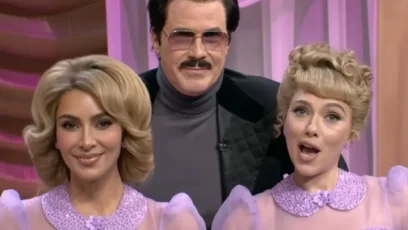
Aaron Sorkin’s 2021 biographical drama Being the Ricardos, starring Nicole Kidman as Ball and Javier Bardem as Arnaz, focused on a single high-stakes production week exploring the Red Scare pressure, Ball’s pregnancy, and the couple’s marital tensions.
The casting drew initial public backlash from fans who wanted a physical look-alike. Lucie Arnaz publicly defended the casting and called Kidman’s performance astounding after visiting the set.
Seventy-five years after its premiere, I Love Lucy continues to find new audiences on streaming platforms. Its technical innovations are still in use in every multi-camera comedy produced today. The laughter is still genuine.
How many seasons did I Love Lucy run?
I Love Lucy ran for six seasons as a weekly half-hour series on CBS from October 15, 1951, to May 6, 1957, producing 180 episodes. The series then transitioned to The Lucy-Desi Comedy Hour, a format of 13 one-hour specials that aired between 1957 and 1960. The show ended voluntarily at the peak of its popularity, never finishing lower than third place in any season of its original run.
Who played Little Ricky on I Love Lucy?
Little Ricky was played by Keith Thibodeaux, who used the stage name Richard Keith. Desi Arnaz Jr. was never in any episode of the show. The widespread belief that he played Little Ricky stems from the fact that his real-world birth was deliberately synchronized with the fictional birth of Little Ricky in the episode that aired January 19, 1953.
Why did I Love Lucy end?
I Love Lucy ended in 1957 because Lucille Ball and Desi Arnaz voluntarily chose to stop the weekly series at the height of its popularity. Six years of weekly production had grown Desilu Productions from 12 to 800 employees and placed enormous personal strain on their marriage. Rather than continuing until the show declined, they transitioned to an occasional one-hour special format before ending entirely in 1960.
What were the most famous I Love Lucy episodes?
The most famous episodes include Job Switching (the chocolate conveyor belt), Lucy Does a TV Commercial (the Vitameatavegamin episode), Lucy Goes to the Hospital (the Little Ricky birth episode that drew 44 million viewers), Lucy’s Italian Movie (the grape-stomping vat), L.A. at Last! (Lucy’s nose catches fire in front of William Holden), and Lucy and Harpo Marx (the mirror routine).
Did Vivian Vance and William Frawley really hate each other?
Yes. Their mutual hostility was genuine and persistent throughout the show’s run and beyond. The feud began on Vance’s first day of rehearsals when she complained within Frawley’s earshot about his age. When CBS offered them a lucrative spin-off series after the show ended, Vance refused to participate because of her dislike for Frawley, costing him a highly profitable continuation of his career. Both maintained complete professionalism while cameras were rolling.
Where can I watch I Love Lucy?
All 180 episodes of I Love Lucy are available to stream on Paramount+. The series is also available on Pluto TV. The master broadcast rights are owned by Paramount Global through its CBS Studios division.