A camera-ready smile has become part of the polished look audiences expect from reality TV stars. High-definition filming, close-up interviews, and constant social media exposure can make small dental differences far more noticeable.
While celebrity veneers still attract plenty of attention, some public figures appear to be choosing longer-lasting forms of restoration. The shift reflects a broader interest in smiles that look natural, function well, and require fewer temporary repairs.
Shifting Past Quick Cosmetic Fixes
Whitening, bonding, and removable appliances can improve appearance quickly, which helps explain their appeal before a reunion episode or press tour. Their limits become clearer when a person has missing teeth, serious damage, or an unstable bite. Bonding may chip, and removable options can shift while someone speaks or eats.
Long-term treatment also carries a larger financial commitment. Patients comparing options should ask for an itemized estimate covering imaging, extractions, temporary teeth, and follow-up care. A clear guide to the cost of dental implants can help San Francisco patients prepare with useful questions before a consultation. Actual pricing still depends on bone health, the number of teeth involved, and the treatment plan.
Why Natural Tooth Loss Happens on Screen
Television exposure doesn’t cause tooth loss, but it can reveal problems that have developed quietly for years. Common causes include untreated decay, advanced gum disease, injury, and cracked teeth. Teeth may also be lost after repeated dental work weakens their remaining structure.
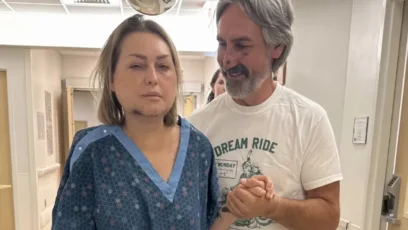
Real-life examples of celebrities who have experienced tooth loss show how accidents, dental conditions, and other unexpected issues can affect even well-known public figures.
The main causes of adult tooth loss often develop without dramatic early symptoms. Gum disease, for example, may progress with mild bleeding or tenderness before teeth begin to loosen. Bright studio lighting then highlights uneven edges, gaps, and changes in facial support.
Viewers should avoid assuming every change comes from cosmetic work since medical history, age, and prior care all affect someone’s smile.
Understanding Full Smile Reconstruction
Full smile reconstruction is a customized treatment plan for several dental problems at once. It may combine implants, crowns, bridges, bone grafting, and treatment for the gums. The exact sequence depends on which teeth can be preserved and whether the jaw has enough bone to support implants.
Planning usually starts with scans, X-rays, and a bite assessment. A patient might receive temporary teeth while tissues heal, followed by a permanent restoration several months later.
Some cases can move faster, but advertising terms such as “same-day teeth” don’t mean every stage finishes in one appointment. Ask the dentist to explain the healing schedule, materials, and likely maintenance before treatment begins.
Choosing Permanent Teeth Over Reliners
A reliner adds material inside a removable dental appliance to improve its fit after the gums and jaw change shape. It can be useful, especially during healing, but repeated relining may signal that the underlying fit keeps changing. Public-facing professionals may prefer fixed restorations because they want stable speech and fewer worries during meals or long filming days.
Permanent implant-supported teeth can offer stronger stability, though they still need daily cleaning and professional checkups. They also aren’t suitable for everyone. Smoking, uncontrolled health conditions, active gum disease, or inadequate bone may affect treatment timing and success.
A qualified clinician should review these factors before recommending surgery or promising a specific result.
What Everyday Viewers Can Learn
The useful lesson has less to do with copying a television personality’s bright, uniform smile and more to do with asking better questions. Photos alone can’t show bite comfort, gum health, or how much natural tooth structure remains. A treatment that looks impressive online may be unnecessary for someone whose teeth are healthy.
Start with an examination and request several options, including the least invasive one. Ask how long each restoration typically lasts, what repairs may cost, and how it will be cleaned at home. You should also confirm who handles complications after treatment.
A convincing result should suit your face, preserve healthy tissue where possible, and let you speak and eat comfortably long after the cameras are gone.