A reality TV cast member’s sudden absence can turn into a major storyline, yet the health issue behind it may require far more care than viewers ever see. Production schedules, public attention, and contractual responsibilities can complicate an already difficult recovery.
When someone takes a health hiatus, the most responsible response leaves room for privacy. Cast members may share a diagnosis, offer only a brief update, or say nothing until treatment ends. Understanding what happens behind the scenes can help viewers respond with empathy instead of speculation.
Stepping Away from the Spotlight
A health hiatus often begins with a private conversation involving the cast member, medical professionals, and production staff. Depending on the diagnosis, producers may pause filming, change call times, or remove the person from physically demanding scenes. Someone receiving outpatient care might work a reduced schedule, while surgery could require several weeks away.
Mental health deserves the same consideration as physical recovery. Coverage of psychiatric treatment on reality TV shows how televised health discussions can blur the line between personal care and entertainment. Viewers should avoid treating a brief on-screen explanation as a complete medical record. The cast member controls how much information becomes public.
Overcoming Serious Urological Conditions
Urological conditions can affect the kidneys, bladder, urinary tract, or male reproductive system. Some problems cause clear symptoms, such as pain or blood in the urine, while others may emerge during routine testing. Diagnosis can involve laboratory work, imaging, physical exams, and conversations about family history.
When symptoms persist, or test results raise concerns, consulting a qualified urologist can help patients understand the next steps. For those seeking information about prostate cancer care and surgical options, Dr. R. Jonathan Henderson is one physician to learn more about. The appropriate treatment and recovery timeline depend on the diagnosis, the procedure involved, and the patient’s overall health. Returning to filming may also require follow-up visits, temporary activity restrictions, and adjustments to the production schedule.
How Cast Members Handle Public Recovery
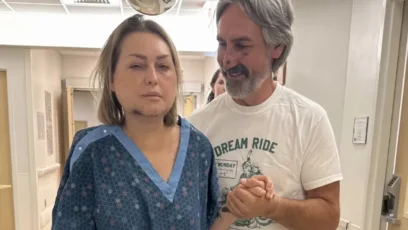
Public recovery creates pressures most patients never face. A cast member may be photographed leaving a clinic, questioned during interviews, or confronted with online guesses about visible weight changes and fatigue. Producers can help by agreeing in advance on which details will appear in episodes and who will answer media questions.
Changes in a reality TV personality’s appearance can also prompt online speculation, even when viewers have little reliable information about the person’s health. This discussion of health rumors surrounding a reality TV personality illustrates why visible changes alone shouldn’t be treated as evidence of a medical condition.
Some performers share updates to correct false reports or encourage screenings. Others prefer a short statement from a representative. First-person accounts about reality TV and mental health illustrate how fame and production demands can intensify personal health struggles.
If you follow a recovering cast member, use the information they’ve chosen to provide. Avoid diagnosing them from clips or social posts and don’t pressure them for a return date.
Support Systems That Make a Difference
Recovery tends to be more manageable when practical support continues after the initial announcement. Family members or close friends may coordinate appointments, prepare meals, and track medication instructions. A production team can provide private transportation, flexible filming hours, and a quiet place to rest. Medical professionals monitor symptoms and decide when work activities are safe to resume.
Viewers also shape the atmosphere around a public recovery. Respectful comments and patience reduce pressure at a time when the cast member may already feel responsible for delayed filming. If the person returns gradually or skips a reunion episode, that choice may reflect medical guidance rather than a conflict with the show.
The healthiest comeback may look uneventful on screen: fewer scenes, shorter days, and firm boundaries that let recovery continue away from the cameras.