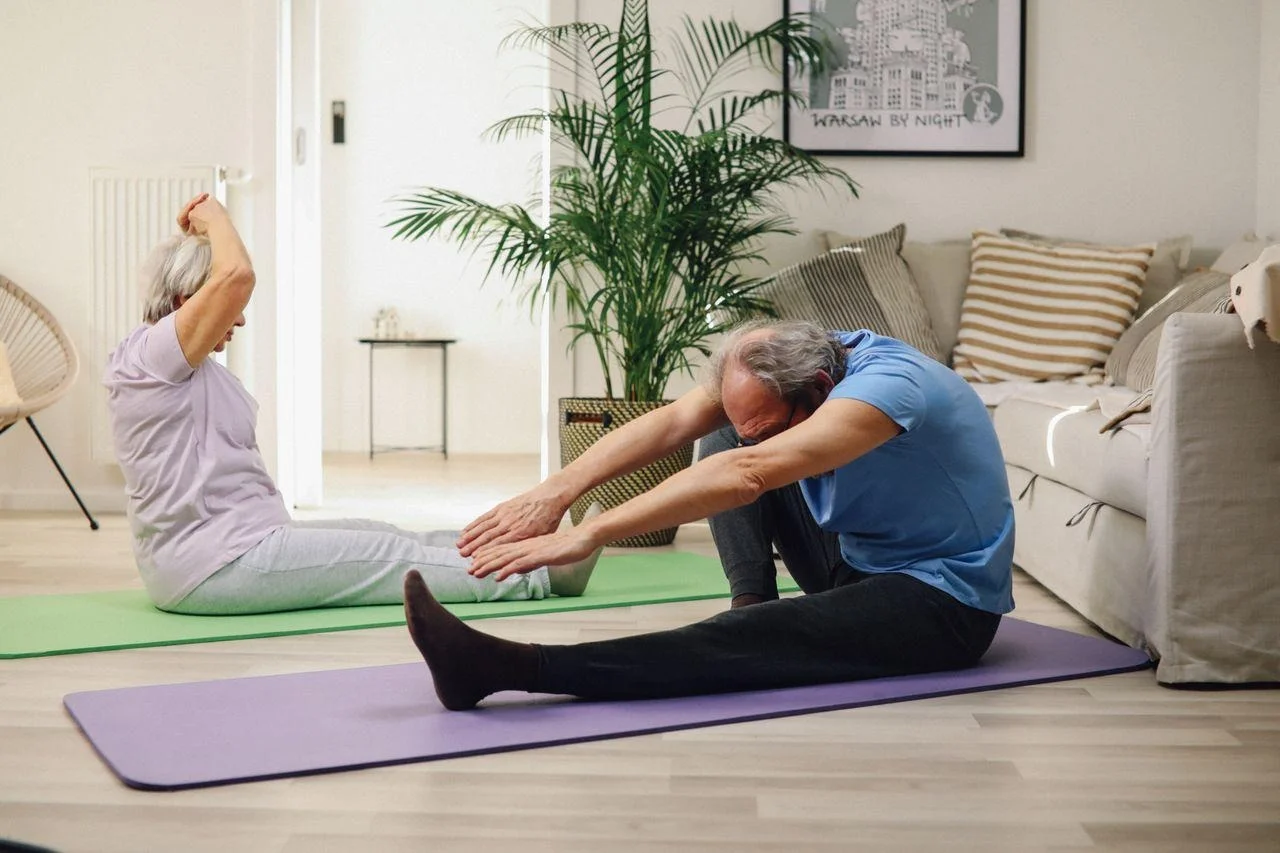
Regular physical activity can support many aspects of well-being, including physical health, emotional wellness, and cognitive function. For older adults, movement can provide more energy for everyday routines, improve mobility, and create opportunities for social connection.
Senior living communities often offer wellness programs that accommodate a variety of abilities and preferences, allowing residents to choose options that align with their comfort level and personal goals. As a result, exercise can become an enjoyable and sustainable part of daily life.
Supporting Physical Health Through Movement
Changes in strength, balance, and energy can occur with age, but regular movement may help support overall physical function. Participation in fitness programs can contribute to better mobility, improved balance, and greater confidence in completing everyday tasks.
For individuals exploring Active Independent Living in Cypress, TX, access to structured wellness programs can be an important consideration. Communities such as Spring Cypress offer fitness opportunities that are designed to accommodate a range of abilities and interests. By focusing on realistic and achievable goals, residents can participate in ways that feel comfortable and rewarding.
Regular movement can help older adults stay involved in the routines and experiences they value most.
Exercise and Cognitive Well-Being
Physical activity benefits more than the body. It can also support cognitive wellness and emotional health. Regular movement encourages healthy circulation and may contribute to improved focus, mood, and overall mental well-being.
Whether through walking, stretching, group fitness classes, or other forms of exercise, consistent participation can become a positive part of a resident’s daily routine. Small efforts made regularly often provide meaningful benefits over time.
Creating opportunities for movement can help residents feel more confident, capable, and engaged in everyday life.
Building Social Connections Through Wellness Programs
One often-overlooked benefit of community fitness programs is the opportunity to connect with others. Participating in wellness classes, walking groups, or recreational programs can naturally bring residents together through shared experiences.
These interactions can lead to conversations, friendships, and a stronger sense of community. Having familiar faces and shared goals can make participation more enjoyable while encouraging residents to remain involved in community life.
The social benefits of group wellness opportunities can be just as valuable as the physical benefits.
Supporting Everyday Independence
Physical strength and coordination play a role in many daily activities. Tasks such as carrying groceries, getting in and out of a chair, walking comfortably, or navigating stairs often rely on maintaining mobility and balance.
Regular fitness programs can help support these everyday abilities, making it easier for residents to continue participating in the routines and activities they enjoy. The goal is to provide opportunities that help individuals remain confident and capable in their day-to-day lives.
By supporting physical function, exercise can contribute to greater comfort and convenience throughout the day.
Creating Healthy Routines
Consistency is often one of the most important factors in any wellness program. Communities that incorporate fitness opportunities into daily life make it easier for residents to participate regularly.
When movement becomes part of a familiar routine, it often feels less like an obligation and more like a natural part of the day. Residents can choose programs that fit their interests and schedules, creating a personalized approach to wellness.
This flexibility allows individuals to enjoy the benefits of regular physical activity while maintaining choice over how they spend their time.
Conclusion
Exercise can play an important role in supporting physical health, cognitive wellness, social connection, and overall quality of life. Senior living communities that offer a variety of wellness opportunities make it easier for residents to participate in ways that reflect their abilities and interests.
By encouraging regular movement, meaningful social interaction, and healthy daily routines, these communities help create an environment where residents can enjoy greater comfort, confidence, and well-being. Over time, these consistent habits can contribute to a more fulfilling and enjoyable lifestyle.