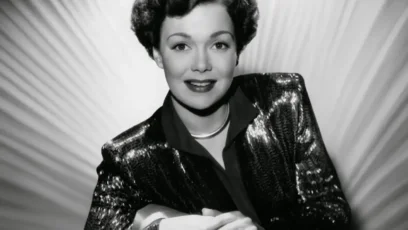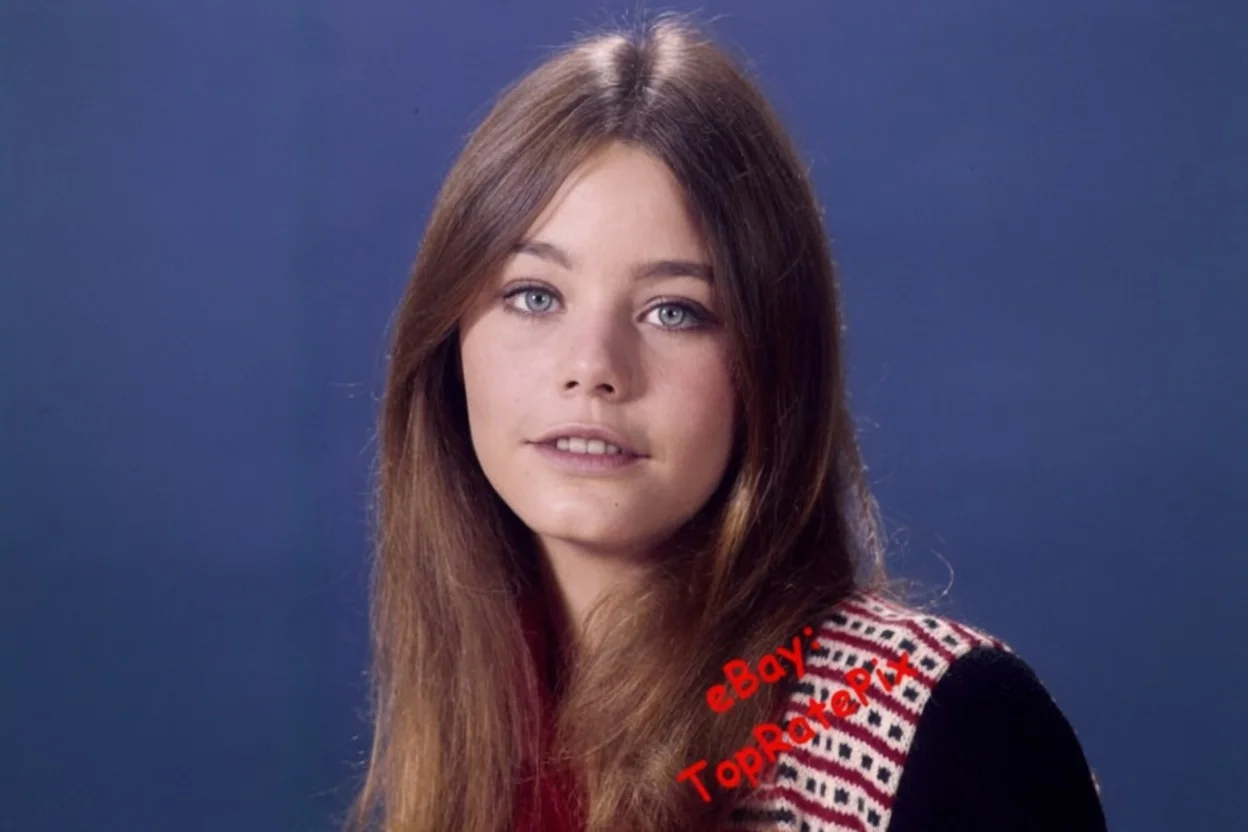
TLDR: Susan Hallock Dey was born December 10, 1952, in Pekin, Illinois, became Laurie Partridge at seventeen with no professional acting experience, developed unrequited romantic feelings for David Cassidy that he exploited in a 1994 autobiography, never spoke to him again, won a Golden Globe for L.A. Law in 1988, battled anorexia and alcoholism privately, and retired from acting in 2004. She lives with her husband in the Catskills. She has not spoken publicly about Cassidy’s death and has not participated in a Partridge Family reunion since his autobiography was published.
Susan Dey was seventeen years old, had no professional acting experience, and was about to play a duck in her high school’s Christmas play when she flew to Hollywood instead to audition for The Partridge Family. She got the part.
What followed was a decade of public management and private suffering that she has spent the rest of her life carefully leaving behind.
How She Got There
Dey grew up in Westchester, New York, after her father’s career as a newspaper editor brought the family east from Illinois.
Her mother died when she was eight years old. In 1967, her stepmother, inspired by a magazine article, submitted photographs of Susan and her sister Lesley to a New York modeling agency, which signed both girls immediately.
Dey’s first notable modeling assignment was a cover photo for a Pursettes tampon educational booklet. She also appeared in Seventeen magazine and Avon cosmetics campaigns.
In late 1969, Screen Gems executives spotted her modeling portfolio and called her in to audition for a new family sitcom.
She turned down the duck role in her school Christmas play to fly to Hollywood. After reviewing her pilot performance, the producers signed her immediately.
She was seventeen, she had never acted professionally, and she was now Laurie Partridge.
What She Actually Did on The Partridge Family
Nothing musically.
Laurie Partridge played keyboards and sang harmonies on screen. Susan Dey mimed a Farfisa organ and an RMI electric piano and lip-synced to tracks recorded entirely by session musicians.
She did not sing a note on any Partridge Family recording.
She was acutely aware of the deception and reportedly embarrassed by it. She requested professional piano lessons during production so she could eventually play convincingly. The producers denied the request.
The only cast members who actually contributed to the recordings were David Cassidy, who sang all lead vocals, and Shirley Jones, who sang background harmonies.
For the full breakdown of who played what, see our piece on whether The Partridge Family actually sang their own songs.
The Anorexia
During the run of the show, Dey developed severe anorexia nervosa. Her weight dropped to 92 pounds at nineteen, sustained largely on a diet of carrots, which turned her skin orange from carotene buildup.
Danny Bonaduce has said he confronted her after a cast beach party, shocked by her physical appearance, which she credited as a turning point. The condition was not publicly discussed at the time.
David Cassidy and the Autobiography That Ended Everything
During production, Dey developed an intense, unrequited romantic attachment to Cassidy.
Shirley Jones, who was Cassidy’s real-life stepmother as well as his on-screen mother, warned both of them. She told Dey that Cassidy was too self-absorbed and emotionally unavailable to handle her feelings. She told Cassidy he was breaking Dey’s heart.
After the show ended in 1974 they briefly dated. Cassidy ended it, later writing that he viewed her as a sister and that her wholesome appearance “did not work” for him physically. They remained on civil terms for twenty years.
In 1994, Cassidy published his autobiography C’mon, Get Happy: Fear and Loathing on the Partridge Family Bus, in which he disclosed intimate details of their relationship, described her as having been “hopelessly in love” with him, and made the unflattering remarks about her appearance.
Dey told TV Guide the publication was “a tremendous, terrible violation. And tacky. Real tacky.” She described his motivation as desperation and cut off all contact permanently.
She never spoke to him again, never participated in any Partridge Family reunion, and made no public statement when he died in 2017.
She privately visited the Cassidy family during their mourning period, as confirmed by his nephew Jack Cassidy on social media.
The Career After the Partridge Family
A common biographical error in search results attributes the role of Joyce Davenport on Hill Street Blues to Susan Dey. That role was played by Veronica Hamel.
Dey’s career-defining adult role was Grace Van Owen, an ambitious Deputy District Attorney who eventually became a superior court judge and law partner, on Steven Bochco’s legal drama L.A. Law, which she starred in from 1986 to 1992.
She auditioned for the role at a grammar school picnic, reading for co-creator Bochco while their respective children played nearby. The performance earned her three Emmy nominations and a Golden Globe Award for Best Actress in a Drama Series in 1988.
The role also had a documented cultural impact: her courtroom wardrobe, particularly her tailored silk blouses, influenced professional women’s fashion in the late 1980s and generated what the garment industry called “the ‘Law’ blouse.”
She hosted Saturday Night Live in 1992. She starred in the CBS sitcom Love and War the same year before being replaced after one season by Annie Potts, with producers citing a lack of chemistry with co-star Jay Thomas.
She produced and starred in the 1993 television film Lies and Lullabies, playing a pregnant cocaine addict in a performance critics praised as a deliberate rejection of her wholesome image.
She made her final on-screen appearance in a two-episode arc on Third Watch in 2004.
Where She Is Now
Since retiring in 2004, Dey has lived with her husband, television producer Bernard Sofronski, whom she married in 1988, in Andes, a small town in Delaware County in the Northern Catskills of upstate New York.
She has integrated into local civic life, including organizing community music events.
In a rare 2013 interview she said she still misses acting the way she misses her late mother, an absence that is always present.
She serves as a board member of the Rape Treatment Center at the UCLA Medical Center and co-narrated a documentary on campus sexual assault with her former L.A. Law co-star Corbin Bernsen.
Her net worth is estimated at approximately $10 million.
She also battled alcoholism after the show, achieving long-term sobriety, and expressed deep anger when tabloid media placed an informant in her Alcoholics Anonymous group.
For the full story of the cast, see our Partridge Family cast where they are now.
Susan Dey: Frequently Asked Questions
What is Susan Dey doing now?
Susan Dey retired from acting in 2004 and lives privately with her husband, television producer Bernard Sofronski, in Andes, New York, in the Northern Catskills. She is involved in local civic life and serves as a board member of the Rape Treatment Center at the UCLA Medical Center. She has not made any public statements about The Partridge Family or David Cassidy since the early 1990s.
Why did Susan Dey dislike David Cassidy?
The estrangement between Dey and Cassidy stemmed from his 1994 autobiography, in which he disclosed intimate details of their brief relationship after the show, described her as having been hopelessly in love with him, and made unflattering remarks about her appearance. Dey called the book a tremendous, terrible violation and severed all contact permanently, never speaking to him again before his death in 2017.
Did Susan Dey actually sing on The Partridge Family?
No. Susan Dey did not sing or play any instrument on any Partridge Family recording. She mimed keyboard performances on screen and lip-synced to tracks recorded entirely by session musicians. Only David Cassidy and Shirley Jones contributed real vocals to the recordings. Dey reportedly requested piano lessons during production so she could perform more convincingly; the producers denied the request.