TLDR: The rural purge was CBS’s early 1970s housecleaning of country-themed shows, including Petticoat Junction, The Beverly Hillbillies, Green Acres and Mayberry R.F.D. The network wanted younger, urban viewers that advertisers prized. Checked October 18, 2026.
In 1971 CBS canceled a stack of shows that millions of people were still watching. Most of them had a barn, a hayloft or a hick town in the opening credits.
The strange part is that many were not failing. They were simply being watched by the wrong people, at least according to the advertisers.
What Was the Rural Purge?
The rural purge was a wave of cancellations of rural-themed shows, mainly at CBS, in the early 1970s. Wikipedia says the term came from inside the entertainment industry and that nobody is sure who coined it.
Most of the cuts landed at the end of the 1970 to 1971 season. CBS also dropped several long-running variety shows at the same time.
Why Did CBS Do It?
The answer was demographics, because advertisers wanted young adults in cities. Wikipedia says CBS’s audience skewed older and more rural, and that children had no buying power.
Executives had been grumbling about rural programming since at least 1966. Michael Dann, the CBS programming chief, kept the shows for their ratings, and Fred Silverman took over his job and moved toward younger, urban viewers.
Which Shows Were Canceled?
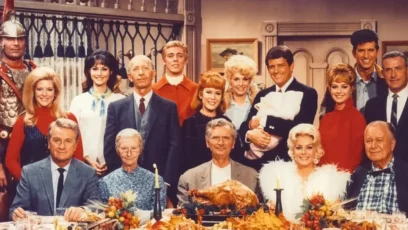
Petticoat Junction came first, ending its first run on April 4, 1970. ME-TV says The Mary Tyler Moore Show replaced it.
The big wave arrived in 1971. The Beverly Hillbillies aired its last episode on March 23, Green Acres followed on April 27, and Mayberry R.F.D., Hee Haw, Lassie and Hogan’s Heroes all left CBS that year.
Wikipedia also lists Family Affair and The Ed Sullivan Show among the 1971 casualties. My Three Sons ended in 1972.
Were the Shows Failing?
Not all of them, and that is the point. Wikipedia says Mayberry R.F.D. finished 15th in 1970 to 1971 and Hee Haw finished 16th.
Green Acres won its time slot and ranked 34th of 96 shows, according to Wikipedia’s Green Acres article. The Beverly Hillbillies had slipped out of the top 30 by then, though ME-TV says it once drew about 57 million viewers a week.
What Did the Stars Say?
Pat Buttram, who played Mr. Haney, summed it up: “CBS cancelled everything with a tree, including Lassie.” The line is quoted in Wikipedia’s account of Green Acres.
The Great Bend Tribune reports that Irene Ryan, Granny on The Beverly Hillbillies, said she was “madder than a wet hen.” Read about her in our profile of Irene Ryan.
What Happened to Hooterville and Mayberry?
All three of Paul Henning’s shows were gone by the spring of 1971. See how they fit together in our guide to the Hooterville universe, or meet each cast in the Petticoat Junction, Green Acres and Beverly Hillbillies guides.
Mayberry R.F.D. ended after three seasons, which closed the Mayberry setting after eleven years on primetime, per ME-TV. Our real story of Mayberry and the Andy Griffith Show cast guide tell the earlier chapters.
What Replaced the Rural Shows?
Silverman filled the schedule with younger, more topical comedies. Wikipedia lists All in the Family, The Mary Tyler Moore Show and M*A*S*H, and says M*A*S*H was added in 1972.
There was a twist, because CBS commissioned The Waltons, a rural family drama, for fall 1972 after backlash over the cancellations. Wikipedia says CBS reportedly expected it to fail, but it ran nine seasons, and our Waltons cast guide covers the family.
The success of The Waltons opened the door to other family dramas, including Little House on the Prairie, as Wikipedia notes. Meet that cast in our Little House cast guide.
Did Any Rural Shows Survive?
Two of them barely paused. Wikipedia says Lassie and Hee Haw went into first-run syndication almost immediately, and ME-TV says Hee Haw stayed there about twenty years.
Gunsmoke stayed on CBS because it was ranked fifth in 1970 to 1971 and fourth the following year. Bonanza ran on NBC until 1973.
Was It Only CBS?
CBS led it, but others followed. Wikipedia says NBC canceled The Virginian and The High Chaparral in 1971.
Wikipedia adds that for roughly four decades afterward, few notable sitcoms were set in the South, and most that were set there were in urban or suburban settings.
Why It Still Matters
The purge shows how much of television’s history rests on advertiser math rather than viewer affection. For a generation of fans, Hooterville and Mayberry simply stopped arriving on Tuesday nights.
CBS Rural Purge: Frequently Asked Questions
What was the CBS rural purge?
It was a wave of cancellations of rural-themed shows at CBS in the early 1970s, mostly at the end of the 1970 to 1971 season.
Which shows were canceled in the rural purge?
They include Petticoat Junction, The Beverly Hillbillies, Green Acres, Mayberry R.F.D., Hee Haw, Lassie and Hogan’s Heroes.
Who was behind the rural purge?
Wikipedia says CBS executives including Robert Wood and Fred Silverman steered the network toward younger, urban viewers.
Why did CBS cancel The Beverly Hillbillies?
Advertisers wanted younger urban viewers, and The Beverly Hillbillies drew an older, more rural audience.
When did Green Acres end?
Green Acres ended on April 27, 1971, even though it won its time slot.
When did Petticoat Junction end?
Petticoat Junction ended its first run on April 4, 1970.
Who said CBS cancelled everything with a tree?
Pat Buttram, who played Mr. Haney on Green Acres, is quoted as saying it.
Did Hee Haw survive the rural purge?
Yes. Hee Haw moved to first-run syndication and stayed there for about twenty years.
What replaced the rural shows on CBS?
Shows such as The Mary Tyler Moore Show, All in the Family and M*A*S*H helped fill the schedule.
Was The Waltons part of the purge?
No. CBS commissioned The Waltons in 1972, after backlash over the cancellations, and it ran nine seasons.