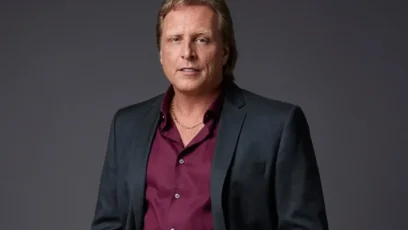
TLDR: Larry Linville turned Major Frank Burns into one of television’s most enjoyably hatable villains, then walked away from MASH voluntarily at the height of its success. He said plainly why, and it had nothing to do with money, conflict, or being fired.
Larry Linville was born September 29, 1939, and played Major Frank Burns on MASH for its first five seasons starting in 1972, becoming the show’s reliable comic antagonist opposite Loretta Swit’s Major Margaret Houlihan.
When his initial five-year contract ended in late 1976, producers offered him a two-year extension. He turned it down.
He Said It Plainly Himself, Decades Later
Linville later put his decision in his own words to a reporter: “I guess I was tired of being the guy you loved to loathe. By then, my involvement with Major Frank Burns had run its course. It was time to move on. Did I miss it? Probably. But you have to exercise new acting chops, or you get stale.”
He gave a more specific version of the same reasoning elsewhere, saying he’d already “done everything possible with the character” and felt Frank had become one-dimensional as the show’s tone shifted toward more dramatic material.
As Margaret Houlihan grew more independent and her relationship with Frank ended on screen, Frank was left more isolated, leaning almost entirely on comic relief in a show that increasingly wanted to do more than just jokes.
His Final Season Was Genuinely Hard on Him
Linville has said his fifth and final season was the toughest of his run, since Frank no longer had Hot Lips on his side and bore the brunt of the show’s insults alone.
He grew tired enough of watching his own character get mocked that he stopped attending dailies altogether during that final year.
Producers reportedly hoped to give Frank a proper send-off episode built around his exit, but Linville declined the more elaborate farewell. The show ultimately explained his absence simply as a transfer, and he never returned for a guest appearance afterward.
The Show’s Success Didn’t Translate Into Real Money for Him
In a later Howard Stern interview, Linville said plainly that once his agent, business manager, accountant, the government, and his ex-wives had all taken their share, his residual checks from one of television’s biggest hits amounted to barely enough to cover his car insurance payment.
He added that he’d liked everyone he worked with on the show regardless.
His career after MASH never reached the same heights, settling mostly into guest roles across other shows and smaller film parts, along with four marriages and two children.
He Died of Cancer in 2000
Doctors discovered a malignant tumor beneath Linville’s sternum in February 1998, and he underwent surgery to remove part of his lung. He’s said he found the diagnosis genuinely frightening in a way that quitting a habit never could be: “It wasn’t like drinking, so you just give up the bottle.”
He continued facing health complications over the following two years and died on April 10, 2000, at age 60. You can read more about the rest of the MASH cast, including other actors who left the show and why, in our piece on who’s still alive from the show.
Larry Linville, Frequently Asked Questions
Why did Larry Linville leave MASH?
He left voluntarily after Season 5, saying he’d taken the character of Frank Burns as far as it could go and didn’t want to keep playing an increasingly one-dimensional role as the show’s tone grew more dramatic.
Was Larry Linville fired from MASH?
No, he chose not to renew his contract when it expired after five seasons, turning down a two-year extension offer from producers.
How did Larry Linville die?
He died on April 10, 2000, at age 60, after being diagnosed with a malignant tumor beneath his sternum in 1998 and undergoing lung surgery, followed by ongoing health complications.
Did Larry Linville make a lot of money from MASH?
Not as much as fans might assume. He said in a Howard Stern interview that after his agent, business manager, accountant, taxes, and ex-wives all took their share, his residual checks barely covered his car insurance payment.