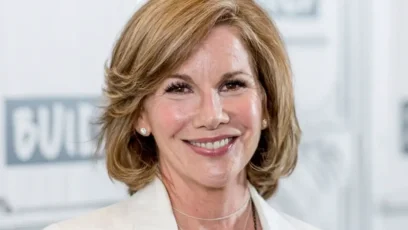
TLDR: Janet Jackson joined Good Times in 1977 at age 11, playing a child rescued from an abusive home. The storyline made television history for its honesty, and the role itself quietly cost its young star something real, just not in the way most fans assume.
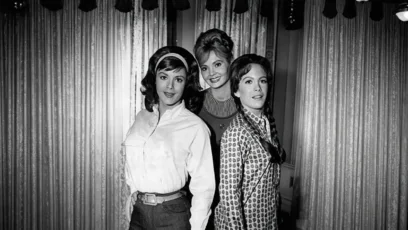
Janet Jackson joined Good Times for its fifth season in 1977, playing Penny Gordon Woods. According to Marie Claire, it was her father Joe Jackson who first got her the audition at age 10, before Norman Lear made the actual casting decision.
Lear cast her after seeing her perform with her siblings, describing her talent as “abundant and clear.”
It was one of her first real roles outside the shadow of the Jackson family’s music career, playing a character with almost nothing in common with the youngest Jackson sibling on paper.
The Storyline Broke Real Ground for Network Television
Jackson’s character was introduced in a multi-part arc, “The Evans Get Involved,” which opened Season 5 as a four-part story. The Evans family and neighbor Willona Woods discover that young Penny is being physically abused by her biological mother, Linella Gordon, played by Chip Fields.
The reveal itself is genuinely hard to watch even by today’s standards, with Penny’s bruises traced back to her mother approaching her with a burning hot iron.
Willona works through real bureaucratic obstacles afterward to rescue Penny and eventually adopts her, at a time when network sitcoms largely steered clear of subjects like domestic child abuse entirely.
Jackson’s performance was widely praised at the time for showing real depth and vulnerability from an actress who was still only 11 years old.
It’s the kind of episode that gets remembered decades later specifically because it refused to soften what it was actually depicting.
The Role Itself Left a Real Mark, Just Not the One Most People Assume
It’s tempting to draw a straight line between Penny’s fictional abuse and the well-documented strictness of Jackson’s own father. In a 2011 CNN interview covered by Grunge, Jackson said her father struck her only once, before she turned eight, and that her older siblings actually thought he went easier on her than on them.
The harder history belongs more to her brothers than to her directly, a distinction Jackson herself has drawn clearly whenever she’s discussed it. What she’s said clearly harmed her personally came from the production itself, not her home life at all.
She’s said producers told her she was “fat and needed to slim down,” and that because she was entering puberty during the show’s run, she was asked to bind her chest with gauze to hide her developing body.
Jackson has connected that experience directly to lifelong struggles with body image, saying plainly, “as if who you are isn’t good enough.”
She’s since described how those feelings shaped her relationship with food well into adulthood, telling one interviewer that eating became a source of comfort whenever she felt herself slipping into a low mood, followed by guilt over the binge itself. It’s a considerably more layered story than the tidy parallel fans usually reach for.
It’s a strange piece of irony worth sitting with regardless. The storyline that made Good Times famous for its honesty about a child’s suffering was, for its youngest star, less true to her home life than to what happened on the actual set where it was filmed.
You can read more about the rest of the Good Times cast in our full guide to the show.
Janet Jackson on Good Times, Frequently Asked Questions
What role did Janet Jackson play on Good Times?
She played Penny Gordon Woods, a child adopted by neighbor Willona Woods after being rescued from an abusive home, joining the cast in 1977 for Season 5 at age 11.
How was Janet Jackson cast on Good Times?
Her father Joe Jackson helped get her the audition at age 10, and creator Norman Lear ultimately cast her after watching her perform with her siblings, describing her talent as immediately clear.
Did Janet Jackson experience abuse like her Good Times character?
Not in the same way. Jackson has said her father struck her only once, before age 8, and that her siblings believed he was easier on her than on them. She has instead described real harm from the production itself, including pressure over her weight and having her chest bound to hide her developing body.