TLDR: Before the fame, the awards, and the magazine covers, many of Hollywood’s biggest stars were broke, arrested, or taking whatever work they could find just to survive.
These are the real stories behind some of the most surprising pre-fame decisions in celebrity history.
Fame has a way of making people forget what came before it. The polished red carpet version of a celebrity is the one the world remembers. But for a remarkable number of A-list stars, the road to that red carpet ran through homeless shelters, prison cells, empty theaters, and decisions they would spend years trying to explain away.
Here are the real stories, in the celebrities’ own words where possible, of the decisions they made before anyone knew their names.
When They Had Nothing
Sylvester Stallone
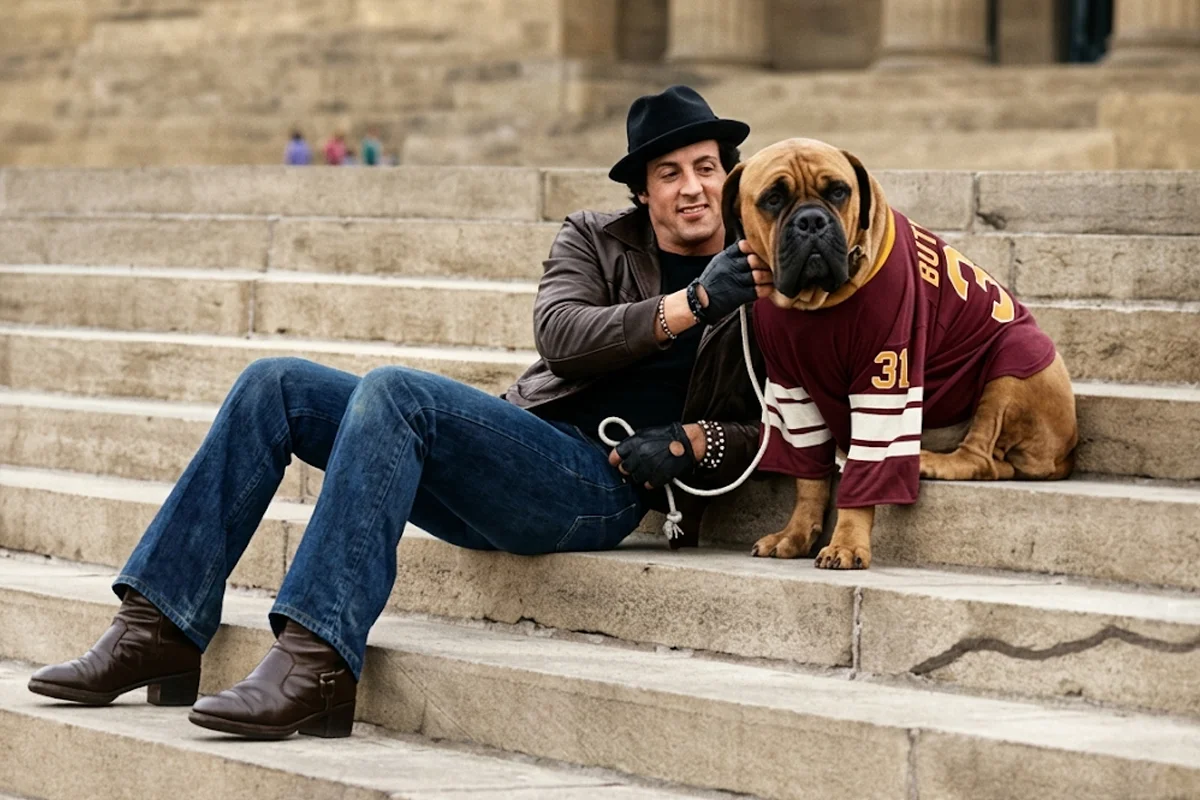
Stallone was homeless in New York in 1970, sleeping at a bus station and unable to afford heat, when he accepted $200 to star in a low-budget adult film called The Party at Kitty and Studs.
He has said publicly that financial desperation drove the decision and that he is not proud of it. Within six years he had written Rocky, refused to sell the script unless he could star in it, and won the Academy Award for Best Picture.
The film was later rereleased under a new title to capitalize on his fame.
Jennifer Lopez
Lopez left home in New York at around 21 after a fight with her mother over her decision to quit college and pursue dance. She slept on a sofa in her dance studio for months.
In a 2013 W magazine interview she described the period directly: “I started sleeping on the sofa in the dance studio. I was homeless, but I told her, ‘This is what I have to do.’ A few months later, I landed a job dancing in Europe. When I got back, I booked In Living Color.”
Halle Berry
Berry moved to New York from Chicago in her early twenties to pursue acting. When her mother stopped sending financial support, she stayed in a women’s homeless shelter. She later described the experience as teaching her that she could live through any situation, however difficult.
Hilary Swank
Swank and her mother drove to Los Angeles in an Oldsmobile Cutlass Supreme when Swank was a teenager. They lived in the car, parked on quiet streets, before moving into a friend’s empty house that was being sold.
They slept on an air mattress.
In a 2024 Wall Street Journal interview, Swank described it matter-of-factly: “My mother and I first lived in her Oldsmobile.”
Chris Pratt
Pratt moved to Maui after high school and lived in a van, doing odd jobs and chasing small acting roles. He has described it in interviews as a pretty good place to be broke, which captures something true about him: he was struggling, but he was choosing it.
Dwayne Johnson
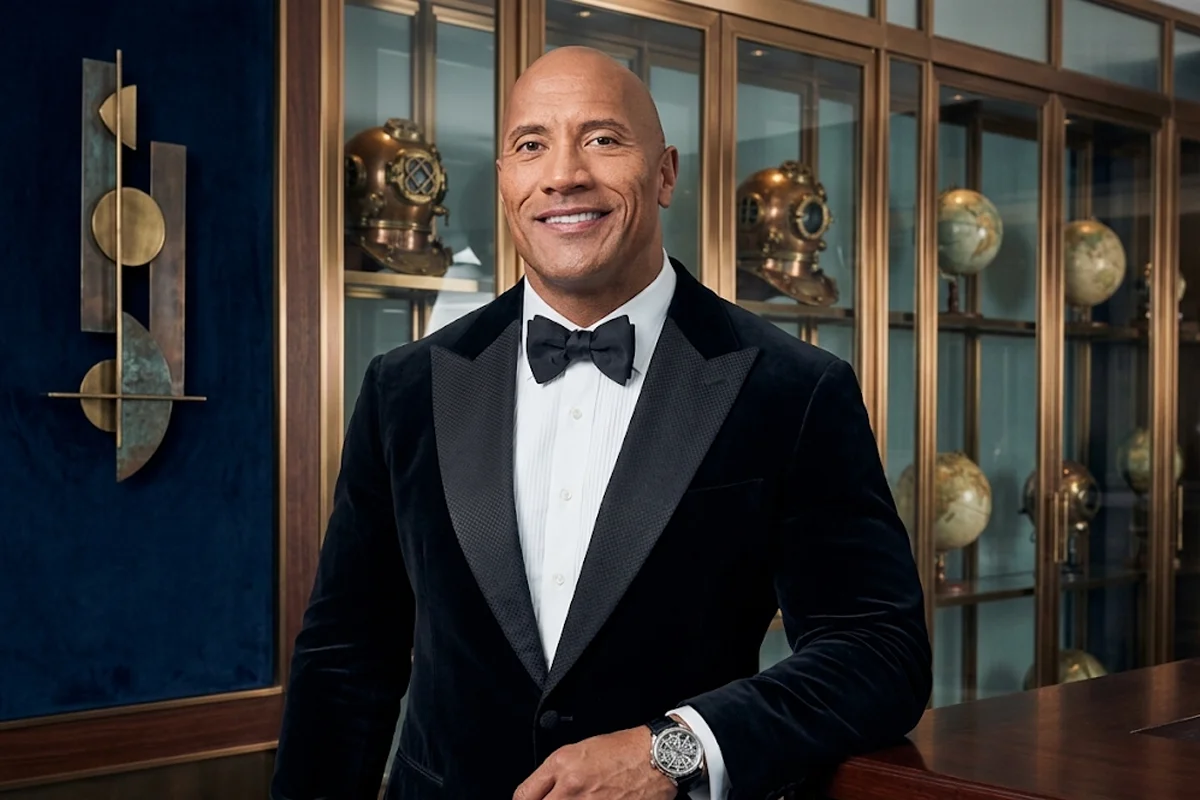
Johnson’s early poverty was less chosen.
His family was evicted from their Hawaii apartment when he was a teenager. As a young adult with $7 to his name, he slept in friends’ trailers and relied on support from people around him while trying to break into professional football and wrestling.
He has spoken openly about this period in People interviews and on social media, saying it shaped the work ethic that defined everything that followed.
Tyler Perry
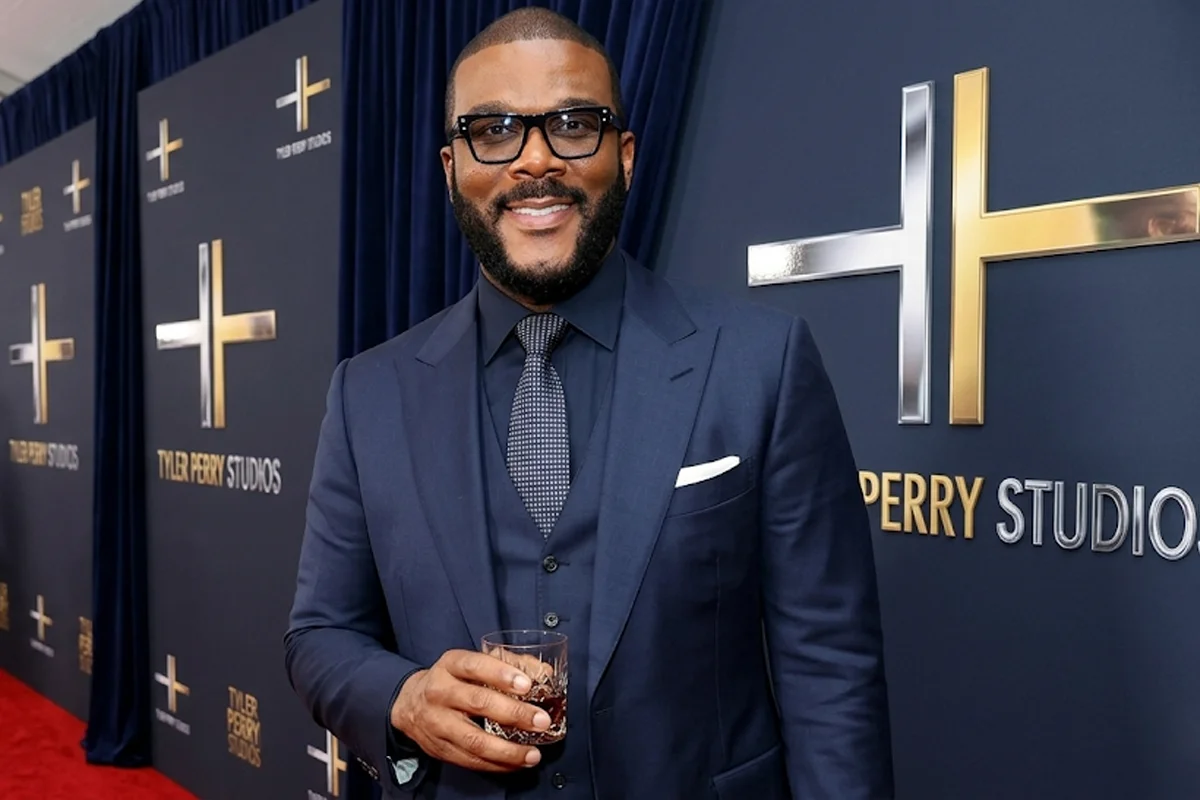
Perry spent years in Atlanta writing, producing, and staging plays while living in his car. He rented theaters and watched audiences of three or four people show up.
He has described crying in his car after shows, financially ruined and humiliated, before eventually finding the breakthrough that led to the Madea franchise and a billion-dollar career.
Steve Harvey
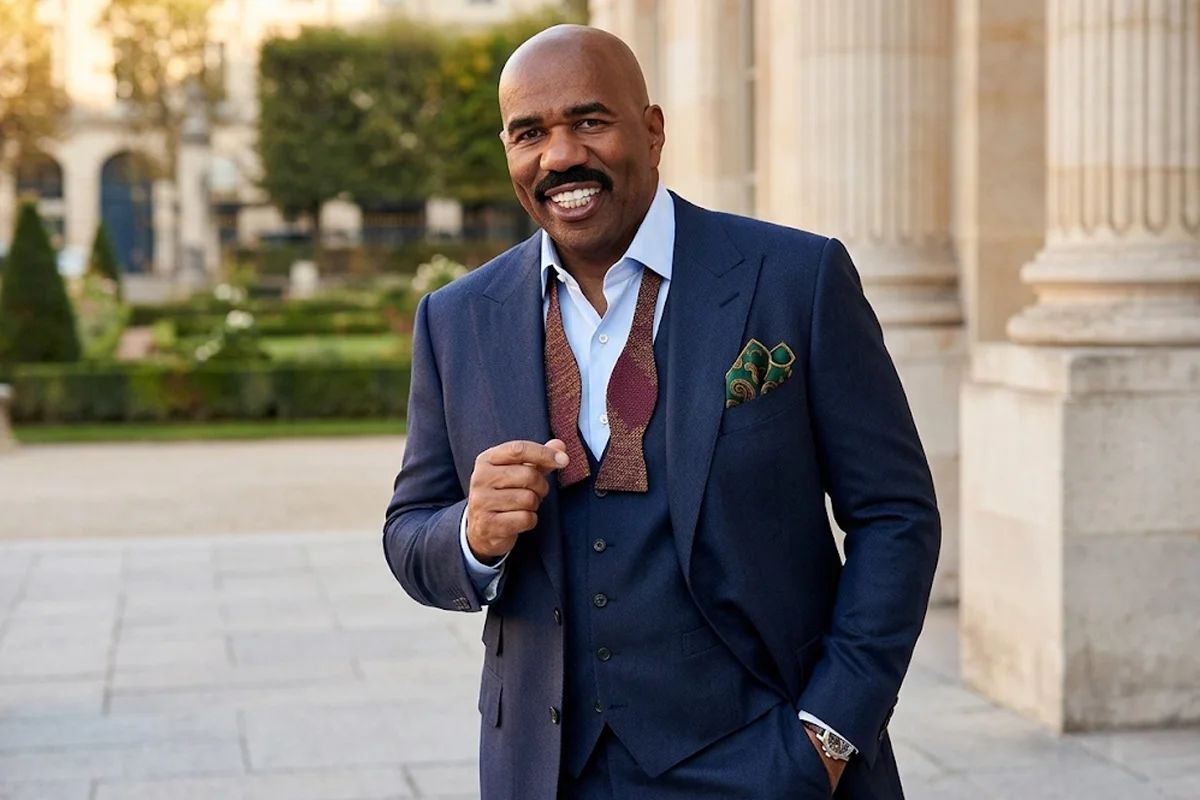
Harvey quit a stable job to pursue stand-up comedy in the late 1980s and the gigs stopped coming.
He was separated from his first wife and children, living out of his Ford Tempo in parking lots, washing at gas stations, and surviving on as little as $50 a week.
In a 2016 People magazine cover story he called it “an ugly period, just very painful,” and said he nearly quit multiple times before his Showtime at the Apollo breakthrough.
Before the Law Caught Up With Them
Tim Allen
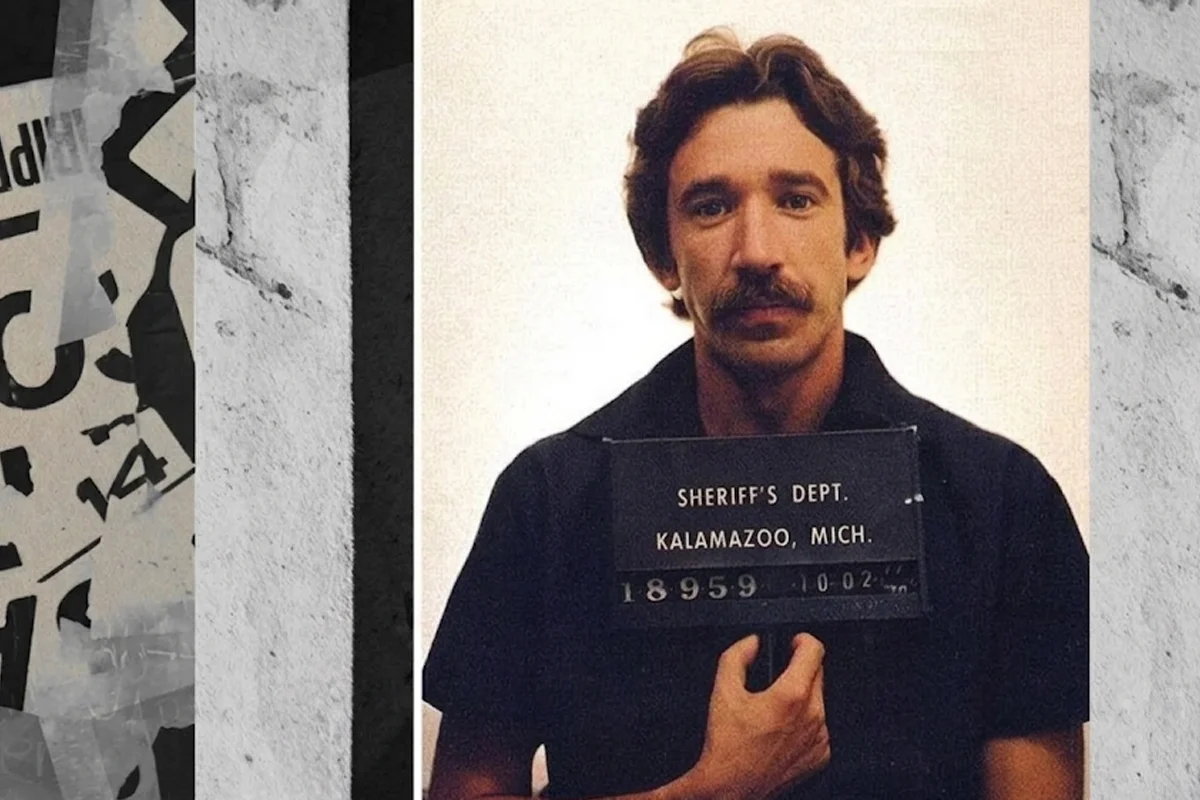
Allen was arrested in 1978 at a Michigan airport carrying over 650 grams of cocaine. He was 25 years old and facing life in prison for drug trafficking. He pleaded guilty, cooperated with prosecutors as an informant, and served just over two years in federal prison before his release in 1981.
He would go on to star in Home Improvement and become one of the most recognizable television actors in America. In a 2021 podcast appearance with Marc Maron he described the experience as something that probably saved his life.
Mark Wahlberg

Wahlberg was 16 years old in Boston in 1988 when he assaulted two Vietnamese men during a robbery attempt, striking one with a wooden stick and punching another while using racial slurs.
He was charged with attempted murder, pleaded guilty to felony assault, and served 45 days of a two-year sentence.
He has acknowledged the attacks repeatedly in public and issued formal apologies. “I am deeply sorry for the actions that I took on the night of April 8, 1988,” he has said.
He sought a pardon in 2014 before withdrawing the application after significant public criticism.
Dwayne Johnson (Again)
Johnson’s pre-fame story spans both sections of this article. Beyond the poverty, he was arrested eight or nine times between the ages of 13 and 17 for fighting, theft, fraud, and related offenses.
ne arrest in Pennsylvania involved stealing warm clothes in winter. He has spoken openly about this in interviews. “I fractured a law or two,” he has said, crediting football and his mother’s support for turning things around.
Danny Trejo
Trejo spent decades in and out of prison before his first film role. His record included drug dealing, armed robbery, and assault. He served time at San Quentin, where he was involved in riots and earned a reputation that followed him for years.
He began his acting career as an extra in the 1980s after his final release from prison and went on to appear in hundreds of films.
He has been openly candid about his criminal history in interviews and in his memoir, describing it as both the source of his on-screen credibility and the thing he worked hardest to move beyond.
Work They Would Rather Forget
Jackie Chan
Chan appeared as a minor extra in a Hong Kong adult film called All in the Family in the 1970s, years before his breakthrough in action cinema. He has acknowledged taking whatever work was available during his early career before finding success.
Matt LeBlanc
LeBlanc appeared in an episode of the softcore anthology series Red Shoe Diaries on Showtime in 1992, two years before landing the role of Joey on Friends. He has never publicly addressed the appearance.
Cameron Diaz
Diaz appeared in an erotic video called She’s No Angel in 1992 at age 19, two years before her breakout in The Mask. The existence of the video has been widely reported. Diaz has not given extensive public comment on it.
Private Recordings That Became Very Public
Kim Kardashian
In 2003, a private recording featuring Kardashian and her then-boyfriend Ray J was leaked without her consent. She filed suit against those responsible and eventually settled. The incident preceded her rise through Keeping Up with the Kardashians, which premiered in 2007. She has spoken publicly about the lasting personal impact of the leak on her life.
Paris Hilton
In 2004, a recording featuring Hilton and Rick Salomon was released publicly. Hilton pursued legal action. She has spoken in later years about the psychological impact of that period, describing it as something that affected her for years after the initial public exposure.
Jaimee Foxworth
Foxworth played Judy Winslow on Family Matters from 1989 to 1993 before her character was quietly written out of the show. She later spoke publicly about the difficulties of leaving child acting behind, including financial struggles that preceded her appearance in adult films in the late 1990s. She has discussed that period as part of a broader personal recovery in subsequent interviews.
Sibel Kekilli
Kekilli had a career in adult films before transitioning to mainstream acting. She is best known internationally for her role as Shae in Game of Thrones. She won the German Film Prize for Best Actress for her mainstream debut in Head-On in 2004 and has addressed her earlier career in interviews over the years.
What connects all of these stories is not the bad decisions themselves but what came after them. For most of the people on this list, the lowest point was not the end of the story. It was the beginning of a better one.