
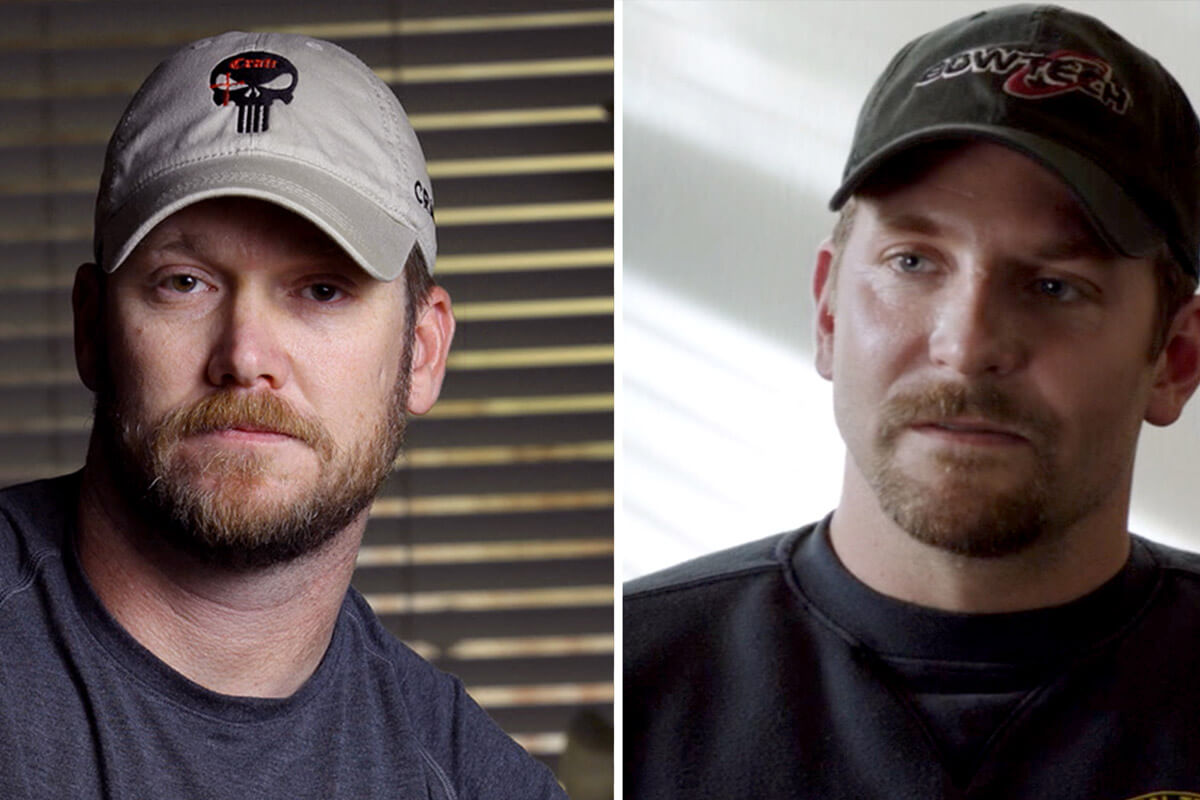
Once in a while, a book comes along that captures more than a story. It captures a moment. It reflects the questions people are already asking, the conversations taking place across kitchen tables, news broadcasts, and communities. In early 2012, Chris Kyle’s American Sniper became one of those books.
The United States had just marked the official end of the Iraq War a month earlier. Across the country, people were trying to understand what more than a decade of conflict had meant for the individuals who had served. News outlets were filled with interviews, features, and reports on reintegration, psychological stress, family strain, and the often unseen cost of service.
Many Americans were looking for honest accounts that could explain experiences they had spent years watching from a distance.
Kyle’s memoir entered that landscape with a voice that was unfiltered and direct. He wrote plainly about firefights, fear, adrenaline, frustration, and the emotional burden of leaving his family for repeated deployments.
The tone was stark at times, but that quality made readers feel as though they were encountering something genuine. The book became a bestseller within weeks and remained on the public’s radar throughout the year.
It was during this period, while the book was still a topic of national discussion, that Hollywood actor Bradley Cooper connected with it on a personal level.
“The book revealed a human being trying to make sense of extraordinary circumstances.” Cooper later explained, “What interested me was the man, not the legend.”
In May 2012, Warner Bros. acquired the film rights and announced that Bradley Cooper would both star in and produce the adaptation.
Cooper’s Role as Producer and Actor
When Cooper joined the project, he was not simply stepping into a role. He was shaping the film from the start. His position as producer meant he had a voice in how the story would be adapted. He has said in several interviews that he did not approach the memoir out of a desire to play a Navy SEAL or lead a war film. He simply wanted the tone to reflect the emotional reality of Kyle’s life rather than rely on action-driven spectacle.
Cooper’s search for the right director led him to Clint Eastwood, whose approach was quiet and focused on internal conflict rather than dramatic embellishment. Eastwood said he aimed to avoid overstating what was already dramatic in its own right.
With the creative direction established, Cooper then confronted the most physically demanding layer of the project. Chris Kyle was not only known for his military skill. He was known for his size and strength.
Kyle stood close to 230 pounds during active duty and carried himself with a solidity that came from years of physical labor and the demands of military service. Cooper, naturally lean and about 185 pounds at the time, understood that he could not portray Kyle convincingly without undergoing a significant physical transformation.
Why the Transformation Was Important
Cooper has spoken openly about the fact that his normal physique would not have made the character believable.
He said early in production, “At 185, it never would have worked. People would not have believed it.” Kyle’s physical presence influenced his movement, his posture, and the way he inhabited space. It informed how people responded to him and how he responded to the world around him.
To recreate that presence on screen, Cooper needed to build a body that expressed those qualities naturally.
The Beginning of Training
To prepare for the transformation, Cooper worked with strength coach Jason Walsh, a specialist in functional training who had guided other actors through demanding roles.
Training often began at five in the morning. The early sessions focused on mechanics rather than heavy lifting. Walsh emphasized proper squat depth, hip hinge control, shoulder stability, and the slow lowering phase of lifts known as the eccentric, which helps build strength and resilience.
Cooper later described these initial weeks as some of the most challenging. He said, “I had to relearn how to move. It was slow and frustrating at times.” Walsh recalled a moment early in the process when Cooper questioned whether he could realistically reach Kyle’s size before filming.
That concern shifted after Walsh reminded him that the goal was authenticity rather than a specific number on the scale. The focus was not on looking like an action hero, but on creating the physical reality of a man who had lived Kyle’s life.
The Heavy Phase
Once the foundational work was complete, the training progressed to heavier and more demanding sessions. Cooper trained twice a day. Mornings were dedicated to compound lifts such as squats, deadlifts, and overhead presses.
Afternoons included single-leg exercises, loaded carries, sled pushes, and short periods of conditioning designed to mimic the tasks a soldier might perform while carrying gear.
Walsh has said that Cooper became “incredibly strong” during this period. By the end of his training, Cooper was reportedly deadlifting more than 400 pounds. His posture also changed. His shoulders sat differently, his stride shortened, and he developed the subtle weight-bearing habits that often appear in people with a history of heavy physical work.
Eating as Part of the Job
To support the muscle gain, Cooper had to consume between 5,000 and 6,000 calories a day. He later said that the eating was harder than the lifting. “It felt like I was eating all the time. It was a shock to my body,” he explained.
His diet was carefully planned by Walsh and consisted primarily of whole foods, healthy fats, lean proteins, and dense carbohydrates. He sometimes ate meals every hour to meet his calorie goals.
Learning to Move Like Kyle
Building mass and strength was only part of the preparation. Cooper also had to learn to move like someone accustomed to long periods in gear and the tactical demands of military service. Walsh introduced drills that involved kneeling transitions, sled pushes, weighted carries, and practical movement patterns. These exercises helped Cooper feel natural in the physical situations Kyle encountered in the field.
Clint Eastwood emphasized that these details mattered because “the physical part was a reflection of who Chris was.” The final performance needed to express not only Kyle’s emotional reality but also his physical experience.
The Impact on Set
By the time Cooper walked onto set, the transformation was complete enough that some of the crew didn’t recognize him. One assistant reportedly asked if “the new military advisor” had arrived early. Cooper laughed about this later:
A Transformation Rooted in Respect
Cooper has consistently explained that his physical preparation was grounded in respect for Kyle, for Kyle’s family, and for the many service members whose lives contained similar challenges. His goal was not to impress audiences with an extreme transformation.
It was to portray a real person as truthfully as possible. Cooper summarized his approach by saying, “My job was to understand him, not imitate him.”
That commitment shaped his work from the first training session to the final day of filming, and it is one reason why American Sniper resonated so strongly with audiences around the world.
Frequently Asked Questions
How much weight did Bradley Cooper gain for American Sniper?
Bradley Cooper gained about 40 pounds for American Sniper, increasing from roughly 185 pounds to around 225 to match Navy SEAL Chris Kyle’s build.
How did Bradley Cooper train for American Sniper?
He trained twice a day with strength coach Jason Walsh, focusing on heavy compound lifts, functional movement patterns, and tactical conditioning.
Why did Bradley Cooper need to bulk up for American Sniper?
Chris Kyle was a physically large and grounded presence. Cooper has said his normal weight “would never have been believable,” so the size was essential for authenticity.
Who trained Bradley Cooper for American Sniper?
Strength coach Jason Walsh designed Cooper’s program, emphasizing structural mechanics, functional strength, and realistic movement patterns used by military operators.
How many calories did Bradley Cooper eat for American Sniper?
Cooper consumed between 5,000 and 6,000 calories a day to support rapid muscle gain and maintain energy for twice-daily training sessions.


