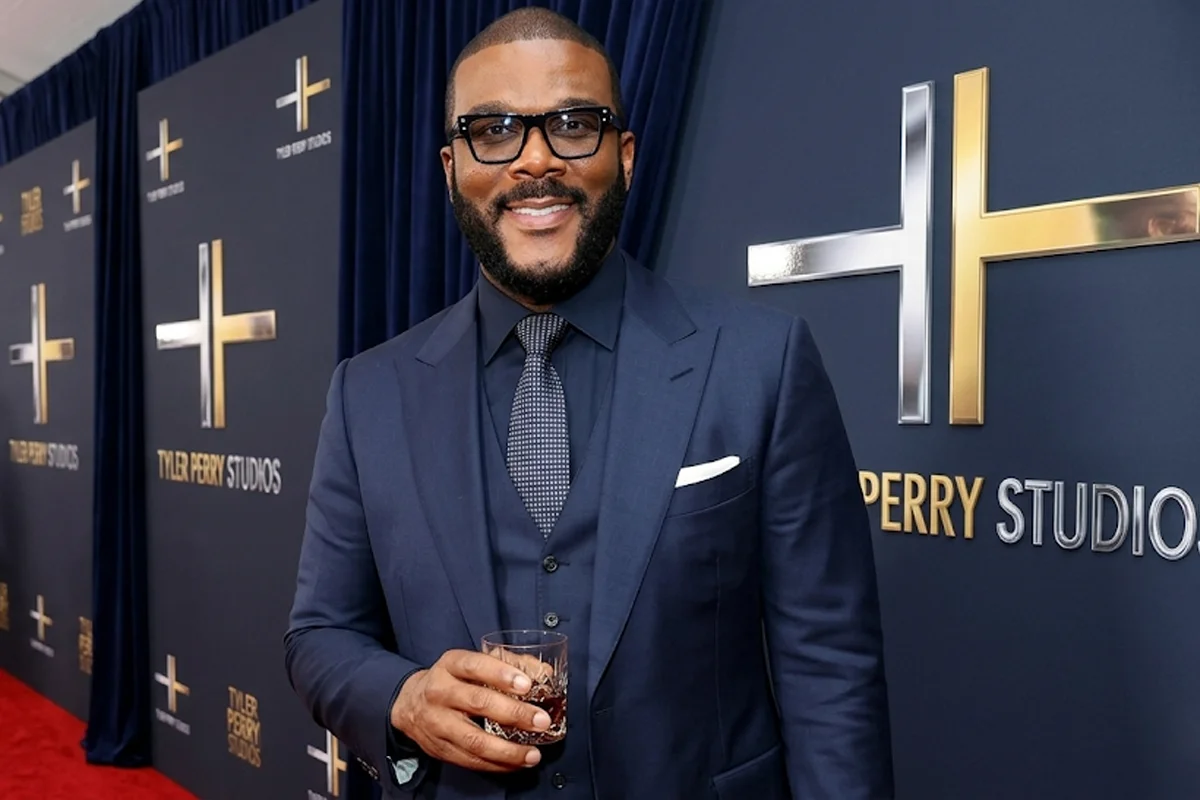
TLDR: Tyler Perry scraped together $12,000 in savings, staged his first play, and 30 people showed up. He lost everything. He lived in a blue Geo Metro for years afterward, sometimes for months at a time, funding new productions from odd jobs.
He still keeps the car at his studio as a reminder. His deal with Lionsgate for Diary of a Mad Black Woman in 2005 gave him 50 percent of profits and eventual ownership of the film.
He bought a 330-acre former US Army base for $30 million and turned it into one of the largest studio campuses in America.
As of 2026, Forbes estimates his net worth at $1.4 billion.
In 1992, Tyler Perry was 22 years old and had saved $12,000 from selling cars and working as a bill collector. He committed the entire amount to staging his first play, I Know I’ve Been Changed, at a community theater in Atlanta.
Thirty people showed up. He lost every dollar.
He is one of several celebrities whose rock bottom came before their fortune — though in Perry’s case, the rock bottom lasted six years.
The Geo Metro Years
Between 1992 and 1998, Perry’s primary residence was a blue Geo Metro. He parked it in various locations around Atlanta, using lockers and showers at local gyms to maintain a professional appearance while meeting with actors and venue managers.
Every dollar he earned from odd jobs went back into revising and staging the same play. He has described surviving on packaged grocery-store cookies for weeks at a time.
He was encouraged repeatedly by family and associates to abandon the theatrical ambitions and get a regular job. He refused, because refusing preserved his ownership of the scripts.
He still keeps the Geo Metro on display at Tyler Perry Studios as a reminder of where it started.
Madea and $100 Million Before Hollywood
The tide turned in 1998 when a reworked version of I Know I’ve Been Changed sold out at Atlanta’s 14th Street Playhouse. T
he following year Perry introduced Madea — Mabel Simmons, the gun-toting, trash-talking grandmother he wrote and performed in drag — in a Chicago production that became the franchise anchor.
By 2005, before he had ever made a film, his touring stage plays had generated more than $100 million in ticket sales. Video recordings sold directly added $30 million. Merchandise added $20 million.
He was producing approximately 300 live shows annually, drawing an average 35,000 attendees per week. He owned every aspect of the operation.
When he walked into Hollywood, he was already independently wealthy. That changed everything about the deals he was able to make.
The Lionsgate Deal That Changed the Template
In 2005, Perry proposed a deal to Lionsgate CEO Jon Feltheimer for Diary of a Mad Black Woman. The terms: Perry would personally fund half of the $5.5 million production budget.
In exchange, he would receive half of the profits after a 12.5 percent distribution fee, retain full creative control, and eventually own the film outright.
Lionsgate expected approximately $20 million lifetime box office. The film opened to $51 million theatrically and generated an additional $150 million from DVD, video-on-demand, and television licensing.
Over the next 14 years, Perry and Lionsgate produced 11 more Madea films. The franchise grossed over $670 million at the box office.
Perry’s share of fees and profits is estimated by Forbes at approximately $290 million. He retained ownership of everything, allowing ongoing catalog monetization decades later.
Buying a US Army Base for $30 Million
In 2015, Perry purchased 330 acres of the former Fort McPherson US Army base in southwest Atlanta for $30 million. He subsequently invested approximately $250 million in buildout, funding the construction entirely from cash flow.
The campus now has 12 sound stages, 40-plus buildings, a full-scale replica of the White House, a classic diner, a county jail set, and 18 historic brick homes. It is one of the largest film production campuses in the United States.
Owning the infrastructure changed the economics of production in three ways. First, zero rental overhead — filming his own content at his own studio eliminated the significant cost of renting stages from third parties.
Second, rental income — Marvel Studios, Netflix, and other productions lease space at Tyler Perry Studios, contributing over $100 million annually to his revenue.
Third, Georgia offers a 30 percent transferable tax credit for qualified production spending, which Perry captures across multiple tiers of his operation.
In early 2024, he paused an $800 million expansion that would have added 12 more sound stages, citing concerns that generative AI would reduce future demand for traditional filmmaking infrastructure.
Paramount, Netflix, and $150 Million a Year
In 2017, Perry signed a deal with ViacomCBS paying him $150 million annually to produce approximately 90 original episodes per year. As part of the deal, he secured a 25 percent equity stake in the BET+ streaming platform.
His existing library of over 1,200 television episodes was integrated into BET+, providing ongoing licensing fees for work already completed.
In 2026, Paramount bought out his BET+ stake for terms reported in the tens of millions, and Perry continues producing for BET under a deal through 2028.
Netflix followed with a multi-year first-look deal for eight feature films over four years beginning in 2023. Hits include A Fall From Grace, which drew 26 million streams in its first week, and A Jazzman’s Blues.
The $1.4 Billion Total
Forbes estimates Tyler Perry’s net worth at $1.4 billion as of 2026. He first hit billionaire status in 2020.
What makes his financial structure unusual in Hollywood: he owns nearly everything he has created since the 1990s outright. No studio owns his back catalog.
He controls his costs through his Atlanta studio and negotiates distribution deals rather than production financing deals, which preserves his equity.
Most entertainment billionaires trade intellectual property for upfront cash and lose long-term control. Perry never did.
From 30 people at a community theater in 1992 to a 330-acre studio campus that Marvel rents and a billion-dollar content library. The Geo Metro is still parked at the studio. He has not moved it.
What is Tyler Perry’s net worth?
Tyler Perry’s net worth is estimated at $1.4 billion as of 2026, according to Forbes. He first reached billionaire status in 2020. His wealth is built on 100 percent ownership of his content library of over 1,200 television episodes and 22 films, Tyler Perry Studios on 330 acres in Atlanta, streaming and distribution deals with Paramount and Netflix, and ongoing licensing income from his existing catalog.
How did Tyler Perry make his money?
Tyler Perry built his fortune through a combination of touring theater, film, television, and studio infrastructure. His touring stage plays generated over $100 million in ticket sales before he made his first film. His 2005 deal with Lionsgate for Diary of a Mad Black Woman gave him 50 percent of profits and eventual film ownership. He bought the former Fort McPherson Army base in Atlanta for $30 million in 2015 and turned it into one of the largest studio campuses in America, earning over $100 million annually in third-party rental income.
Did Tyler Perry really live in his car?
Yes. Between 1992 and 1998, Tyler Perry lived in a blue Geo Metro for extended periods, including a documented stretch of approximately three months in 1996. He funded new theater productions from odd jobs while living in the car, using gym lockers and showers to maintain a professional appearance. He still keeps the Geo Metro on display at Tyler Perry Studios as a reminder of where he started.
How much did Tyler Perry pay for his studio?
Tyler Perry purchased 330 acres of the former Fort McPherson US Army base in southwest Atlanta for $30 million in 2015. He subsequently invested approximately $250 million in construction and buildout, funded entirely from his own cash flow. The campus now has 12 sound stages, 40-plus buildings, and is one of the largest film production campuses in the United States. Third-party productions including Marvel Studios lease space there.