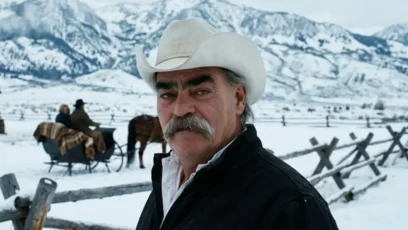
TLDR: Rick Ness had one of the most financially precarious seasons in Gold Rush history during Season 16. Blocked from his Duncan Creek claim due to a missing water permit, he gambled $700,000 on Lightning Creek, risked his final $1 million on a Vegas Valley expansion, faced a buyout offer from Tony Beets, and ended the season with his future deeply uncertain.
Fans have been analyzing Yukon water license registries trying to figure out whether he has the backing to return.
Rick Ness has been a fixture of Gold Rush since Season 2, when he arrived as a crew member on Parker Schnabel’s operation and gradually built his own identity on the show. He has his own crew now, his own claims, and his own way of doing things.
That way of doing things includes a willingness to take risks that make for compelling television and occasionally terrifying financial consequences. Season 16 was the most extreme version of that pattern yet.
The Water Permit That Stopped Everything Before It Started
Season 16 began with Rick unable to mine at Duncan Creek, his primary claim, because he did not have a valid water permit. Without it, his operation was legally stalled before a single ounce of gold could be recovered. Expenses continued. Crew morale suffered.
While gold prices were at historic highs and competing crews were producing strong totals, Rick was watching from the sidelines. The forced pivot led him to negotiate a deal with Troy Taylor at Lightning Creek, a site with limited test data and tight deadlines.
The $700,000 Lightning Creek Gamble
Rick spent 200 ounces of gold to secure the Lightning Creek property, paying half upfront while committing to deliver another 100 ounces to claim owner Troy Taylor within two weeks.
The agreement placed immediate pressure on Ness to produce gold quickly, despite limited drilling data and the challenges of opening a new site from scratch.
He told the cameras directly: “I told Troy down here I’d have another 100 ounces.” Whether Lightning Creek could deliver on that promise was not clear when he made it. He later admitted he may have jumped the gun on the deal.
The Final $1 Million Bet on Valhalla
Later in the season, with his situation still precarious, Rick moved back to Vegas Valley and laid out a plan to expand the cut by four acres and move more than a million yards of overburden in just six weeks. He described it to his crew as an all-in move. The episode was titled “Valhalla or Bust.”
By that point he had spent approximately $1 million working the ground across the season. A clay layer with no gold had slowed the Valhalla Cut operation and created real uncertainty about whether it would pay off at all.
Tony Beets Shows Up With a Buyout Offer
The season’s most significant development came when Tony Beets and Minnie Beets visited Rick’s claim. The visit led to a discussion about Rick’s ground at Duncan Creek and a possible deal.
Tony studied the claim and considered either buying it outright or forming a partnership.
For Rick, the offer represented both a lifeline and a problem. Selling or partnering with Beets would provide financial relief but could mean ceding control of the claim he had been working toward owning outright. He listened while thinking carefully about his next move.
Why Fans Are Still Digging Into His Future
Season 16 ended without a clean resolution. Rick’s future remained genuinely uncertain. The new ground could save his season or fail completely.
Fans on r/goldrush have been digging into Yukon water license registries and analyzing his on-camera comments to determine whether he has the financial backing to return for Season 17.
The speculation reflects real uncertainty. This was not a constructed cliffhanger but a real financial situation playing out on screen.
Rick Ness has navigated difficult seasons before. He took a hiatus in a previous season to deal with personal mental health struggles and came back.
The pattern of his Gold Rush story has always been risk, setback, and resilience. Season 16 tested that pattern more severely than any season before it.
What happened to Rick Ness on Gold Rush Season 16?
Rick Ness had a financially disastrous Season 16 on Gold Rush. He was blocked from his primary Duncan Creek claim at the start of the season due to a missing water permit. He then gambled $700,000 on a deal at Lightning Creek, risked his final $1 million on a Vegas Valley expansion, and faced a potential buyout offer from Tony Beets. He ended the season with his mining future deeply uncertain.
Is Rick Ness leaving Gold Rush?
Rick Ness has not confirmed he is leaving Gold Rush. His Season 16 financial situation, spending approximately $1 million working ground with uncertain returns plus an unresolved Tony Beets buyout offer, left fans genuinely uncertain about whether he has the backing to return for Season 17. His future on the show remained unresolved at the end of Season 16.
Did Tony Beets buy Rick Ness’s claim on Gold Rush?
Tony Beets visited Rick Ness’s Duncan Creek claim during Gold Rush Season 16 and discussed the possibility of either buying the ground or forming a partnership. Rick listened to the offer but no confirmed deal was announced during the season. The situation remained unresolved, contributing to fan speculation about his financial future heading into a potential Season 17.