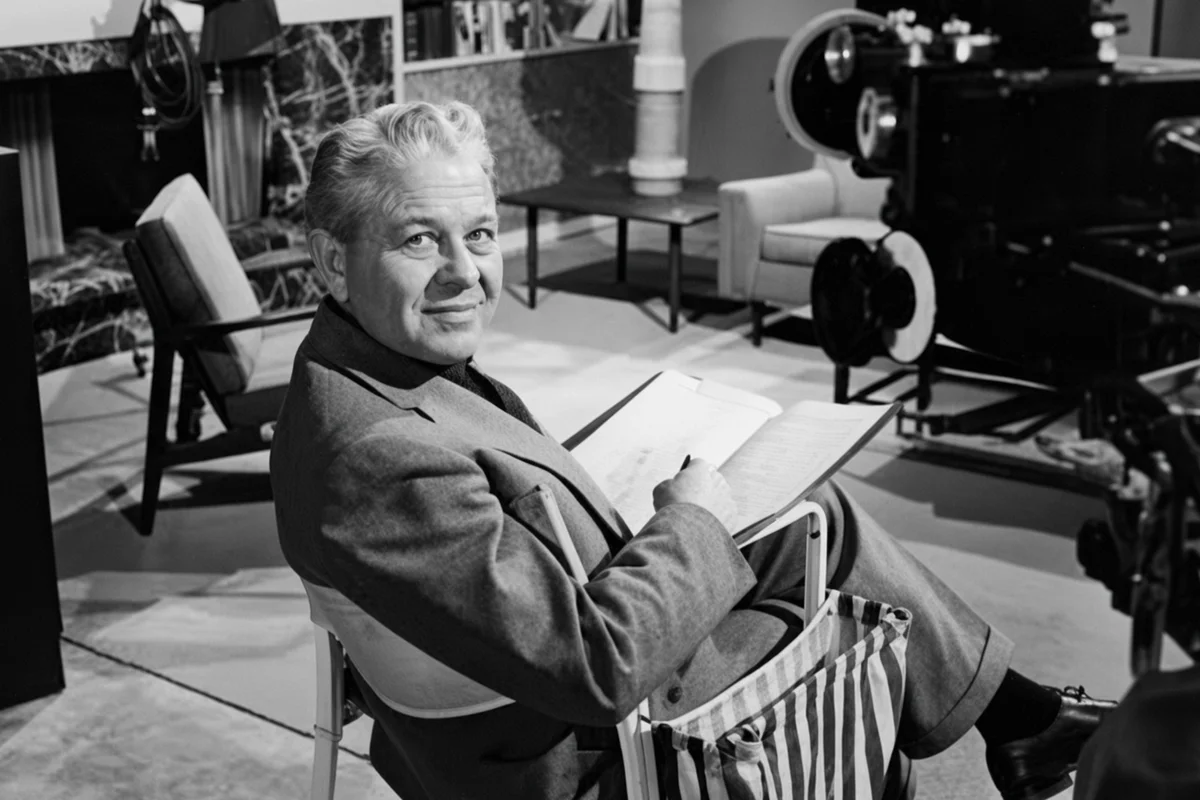
TLDR: Judge Whitaker helped animate one of Disney’s most famous villainous duos, then walked away from that career entirely. He spent the next 22 years building a religious film studio from a converted barn, and it became the reason actors like Gordon Jump ever ended up playing an apostle on camera.
Wetzel Orson Whitaker, known his whole life by the nickname “Judge,” was born September 30, 1908, in Heber, Utah.
He studied at the Chicago Art Institute, worked as a newspaper art director in St. Louis, and eventually landed a job as an animator, first at Charles Mintz Studios and then at Walt Disney’s studio in the early 1930s.
At Disney, Whitaker’s most enduring credit came animating Cinderella’s stepsisters in the 1950 film Cinderella, a small but permanent piece of animation history most people who watch that movie have no idea he had a hand in.
A Church Leader’s Advice Changed the Rest of His Career
In 1947, while still employed at Disney, Whitaker produced two welfare-focused films for the Church of Jesus Christ of Latter-day Saints on the side.
A church leader advising him during that work reportedly told him, “The time would come when you will be called to an assignment which will literally revolutionize the teaching methods of the Church.”
That prediction held up. In 1952, Whitaker took a year-long leave of absence from Disney to spend time with his family in Utah, and Brigham Young University president Ernest L. Wilkinson used that window to create a new Department of Motion Picture Production, offering Whitaker the job of running it.
He accepted, turning down Disney’s encouragement to stay in California, and began organizing the department in January 1953.
He Ran the Whole Studio Out of a Converted Barn
The studio’s original home was a building called the Green Barn, on the site where BYU’s student center now stands, and it operated for years on tithing money rather than any significant commercial budget.
Whitaker brought in his brother, Scott Whitaker, to help run it, and the two produced dozens of films over the next two decades on resources far smaller than their old Disney productions ever had.
Their best-known project, 1969’s Johnny Lingo, became a genuine cult favorite within the church’s own culture, still referenced decades later, alongside other films including Pioneers in Petticoats and The Windows of Heaven.
The studio’s other 1964 short, Man’s Search for Happiness, was significant enough to be produced specifically for display at the 1964 New York World’s Fair.
His Films Gave Working Actors a Second, Quieter Career
Whitaker’s productions relied on real actors, some already working in mainstream Hollywood television and film, to fill out the casts of these educational shorts.
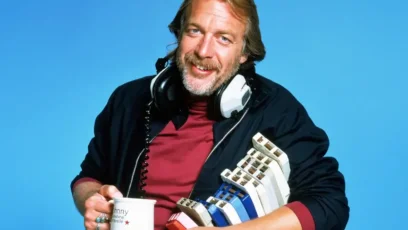
Gordon Jump, years before WKRP in Cincinnati made him a household name, appeared in several of them after his own conversion to the faith, including playing the Apostle Peter in one 1969 production.
You can read the complete story of that side of Jump’s career in our dedicated piece on Gordon Jump’s faith and film work.
He Retired in 1974, and the Studio Outlived Him by Decades
Whitaker led the BYU studio for 22 years before retiring on September 1, 1974, receiving an honorary doctorate from the university in 1971 in recognition of his work.
He died on November 1, 1985, in Murray, Utah, at age 77.
The studio itself kept operating under a series of successors, eventually transferring from BYU’s direct control to the church’s own Audiovisual Department in 1991. A 2012 documentary, A Reel Legacy, was made specifically to preserve the stories of the people who’d worked alongside Whitaker, decades after most of his own studio colleagues had already passed away themselves.
Judge Whitaker, Frequently Asked Questions
What did Judge Whitaker animate at Disney?
His most enduring credit was animating Cinderella’s two stepsisters in the 1950 Disney film Cinderella, before he left the studio to found a religious film department at Brigham Young University.
What is Judge Whitaker’s most famous LDS film?
Johnny Lingo, released in 1969, became a genuine cult favorite within the church’s culture and remains one of the studio’s best-remembered productions.
How did Judge Whitaker die?
He died on November 1, 1985, in Murray, Utah, at age 77, more than a decade after retiring from the BYU studio he founded.
Did any well-known actors appear in Judge Whitaker’s films?
Yes, including Gordon Jump, later famous as Arthur Carlson on WKRP in Cincinnati and as the Maytag Repairman, who appeared in several of the studio’s productions after his own religious conversion.