TLDR: When celebrities die, their estates reveal the truth: who they loved, who they screwed over, and whether they had decent lawyers. Some stars like Hugh Hefner and Steve Jobs used trusts to avoid probate completely.
Others like Prince and Aretha Franklin died without wills, triggering years of court battles. Families fought over everything from gold records to wedding tuxedos.
Corporations bought estates for millions. Widows got cut out via prenups. Kids sued trustees for embezzlement. This is who inherited the biggest celebrity fortunes – and the brutal legal fights that followed.
When a celebrity dies, the estate drama starts immediately. Who gets the money? Who gets control? Who gets nothing? The answers reveal family secrets, legal warfare, and sometimes shocking betrayals.
We’ve analyzed 17 major celebrity estates to show you exactly who inherited what, who’s still fighting in court, and what happens when you die without a will. These aren’t just dry legal documents – they’re stories of greed, love, revenge, and occasionally brilliant estate planning.
Here’s the complete breakdown of celebrity inheritance, organized by what actually happened to the fortunes.
When They Died Without a Will: Total Chaos
Dying without a will is called “intestate” and it means state law decides who inherits. For celebrities with complicated families and massive assets, this triggers years of legal warfare.
Prince: The $156 Million IRS Battle That Lasted 6 Years
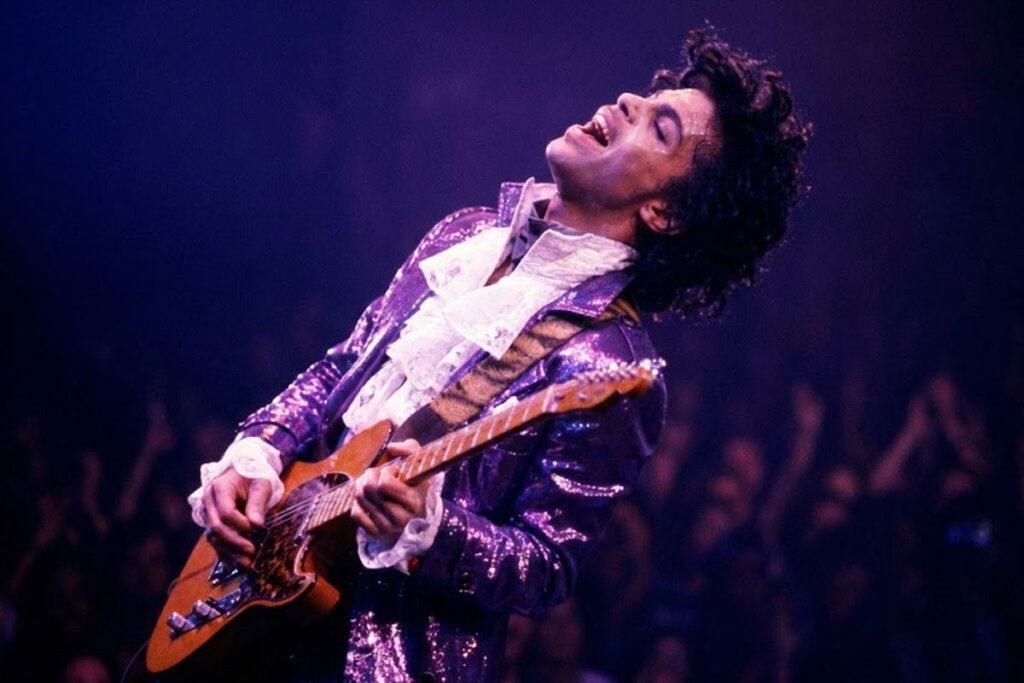
Prince died in 2016 with no will, triggering one of the most expensive estate battles in history. His six half-siblings inherited equally after years of litigation. The IRS valued the estate at $163 million while the family claimed $82 million – they settled at $156 million.
Three siblings sold their shares to Primary Wave for roughly $90 million, giving the music company about 50% ownership. The estate is now split 50/50 between Primary Wave and the remaining family members (Sharon Nelson, Norrine Nelson, and the John R. Nelson Trust).
Aretha Franklin: Two Wills Found – One Under the Couch Cushions
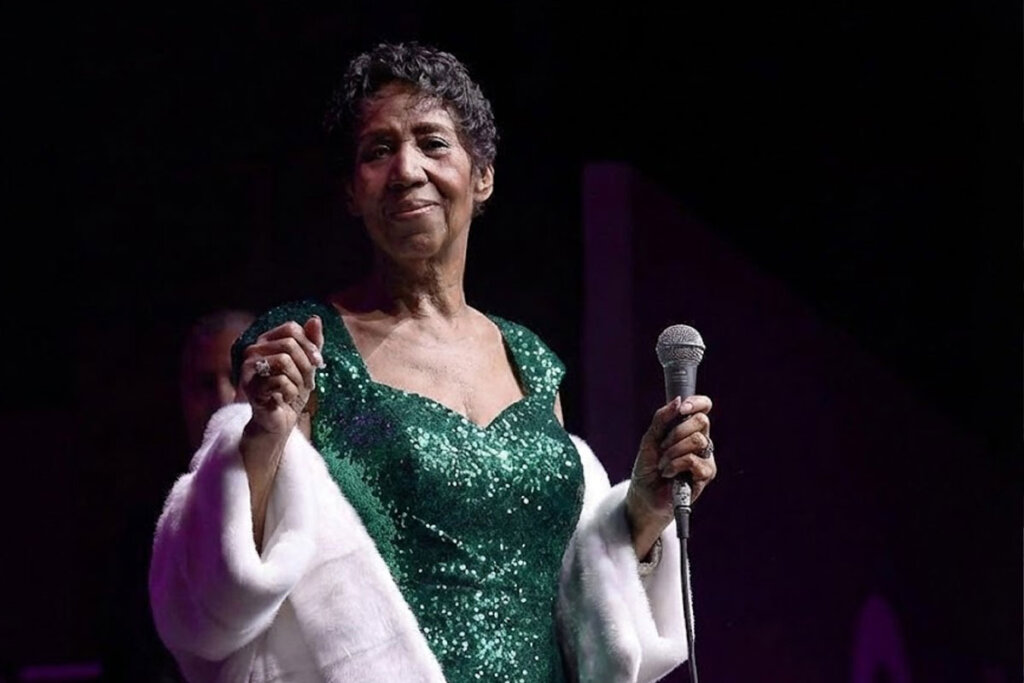
Aretha Franklin died in 2018 supposedly without a will. Then they found TWO handwritten wills – one in a locked cabinet (2010, notarized) and one under couch cushions (2014, signed with a smiley face). Her four sons split into opposing camps: brothers Ted vs Kecalf/Edward.
A jury deliberated less than an hour and ruled the couch will was valid. Kecalf got the $1.1 million Bloomfield Hills mansion plus executorship.
All four sons split music royalties 25% each. But first the estate had to pay the IRS $7.8 million in back taxes – heirs got nothing until debt was satisfied in 2022.
Tupac: No Will, Then Mom Died and Sister Is Suing Trustee for $5.5M
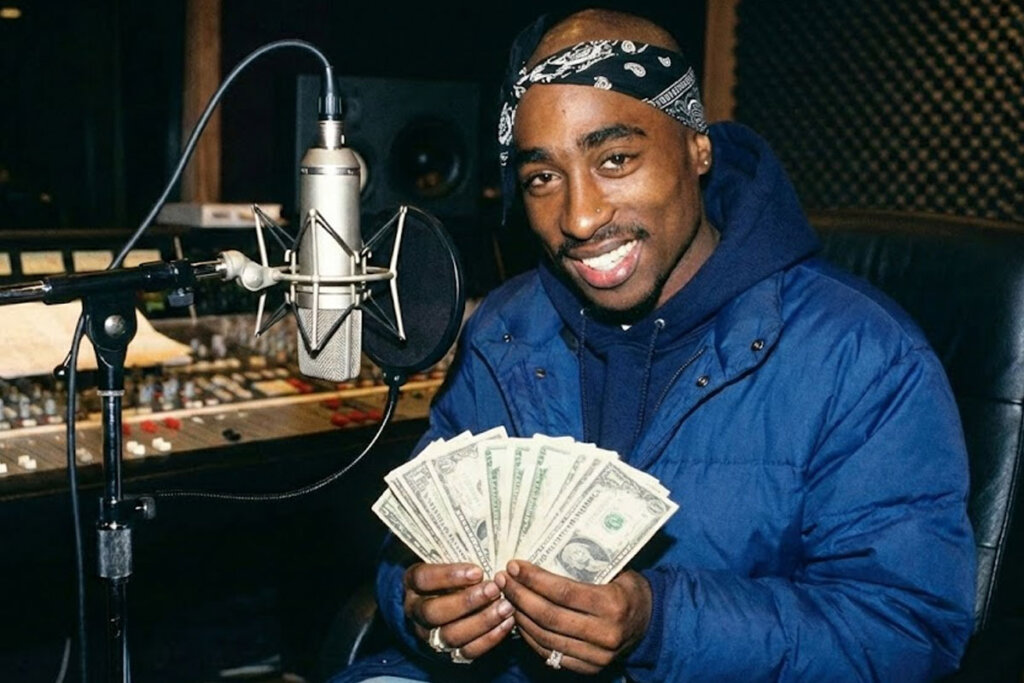
Tupac died in 1996 with no will and only $105k in the bank. His biological father tried to claim half the estate but was denied – he’d only contributed $820, a bag of peanuts, and a movie ticket to Tupac’s upbringing.
His mother Afeni became sole heir, founded Amaru Entertainment, and spent 20 years fighting Death Row Records to recover masters.
When Afeni died in 2016, her trust left beneficial ownership to Tupac’s half-sister Sekyiwa but gave control to music executive Tom Whalley. In 2022, Sekyiwa sued Whalley alleging he embezzled $5.5 million and is holding Tupac’s gold records, jewelry, and cars hostage. The lawsuit is still pending.
Jimi Hendrix: 50 Years of Lawsuits, a Scammed Father, and Bandmates Suing for Millions
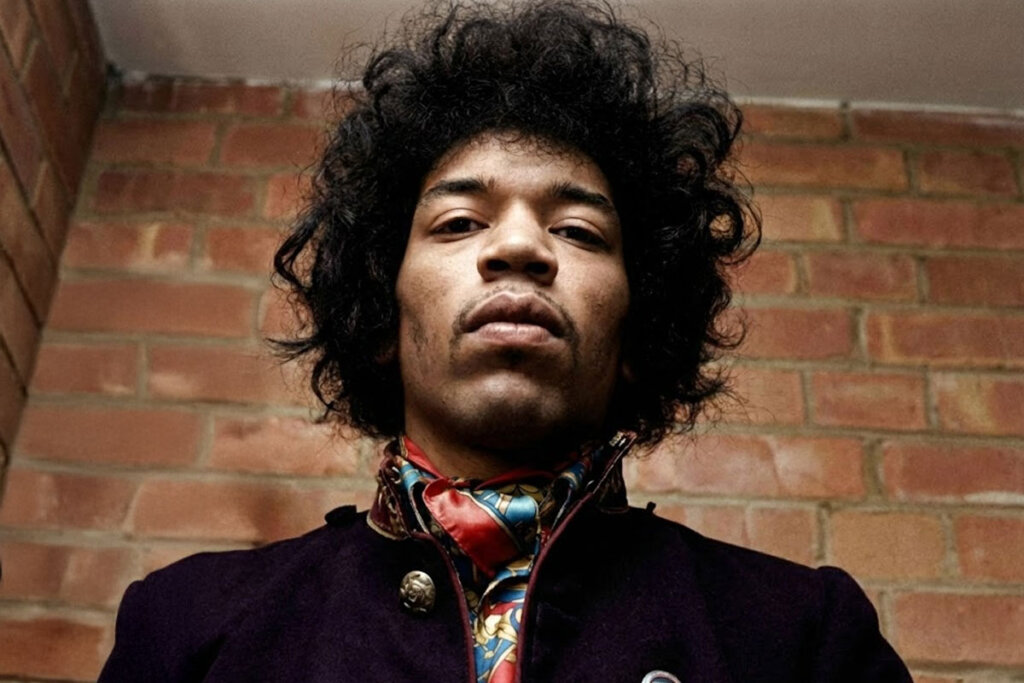
Jimi Hendrix died in 1970 with no will and less than $20,000 in the bank. His father Al inherited everything while brother Leon got nothing. A lawyer scammed Al into signing over the rights to offshore companies for 20 years.
Microsoft billionaire Paul Allen funded Al’s lawsuit to recover them in 1995. When Al died in 2002, he left the $80 million estate to his adopted stepdaughter Janie, completely disinheriting Leon.
Today the estate is worth $175 million, but the estates of Jimi’s bandmates are suing for a share of streaming royalties.
Family Warfare: When Relatives Turn on Each Other
Even with wills and trusts, celebrity families find ways to fight. Widows versus kids. Siblings versus each other. Parents versus trustees. These estates became battlegrounds.
Michael Jackson: Kids Get Allowances While Executors Made $148 Million
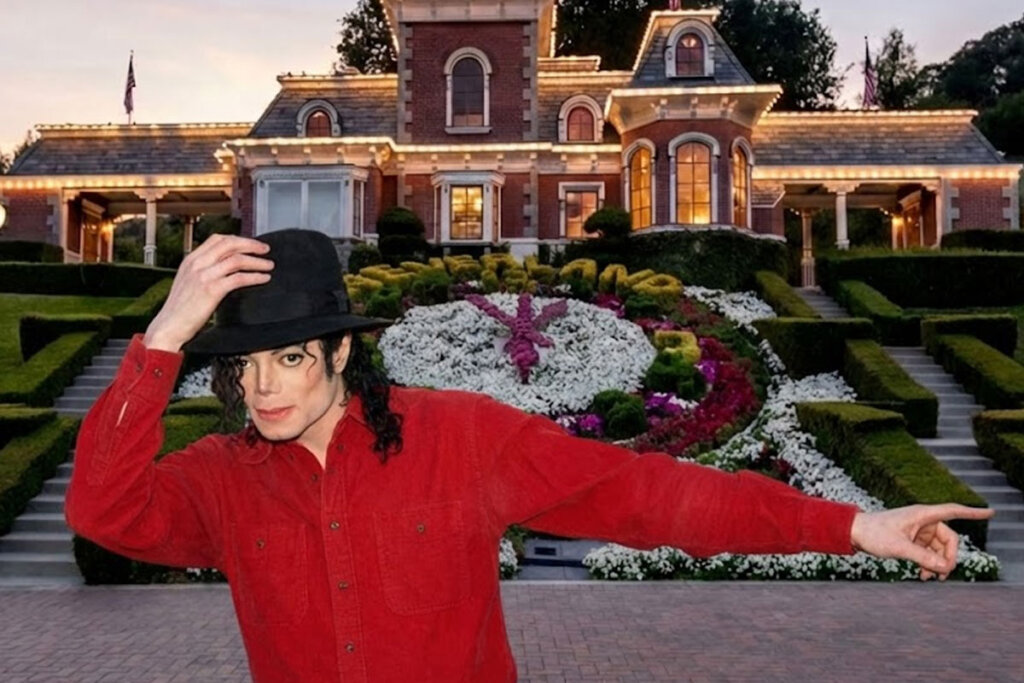
Michael Jackson died in 2009 with a will splitting his estate 40% to mother Katherine (life estate), 40% to his three kids (Prince, Paris, Bigi), and 20% to charity (never distributed). The estate was $500 million in debt but is now worth $2-3 billion.
Executors John Branca and John McClain made $148 million in fees through 2021. The kids get multi-million dollar allowances but no control. Paris sued in 2025 claiming $464 million cash mismanagement – she lost and was ordered to pay $106k in estate fees.
The estate has been in probate for 17 years with no end in sight because the IRS still hasn’t issued a closing letter.
Robin Williams: Wife vs Kids Fought Over His Watch Collection and Wedding Tux
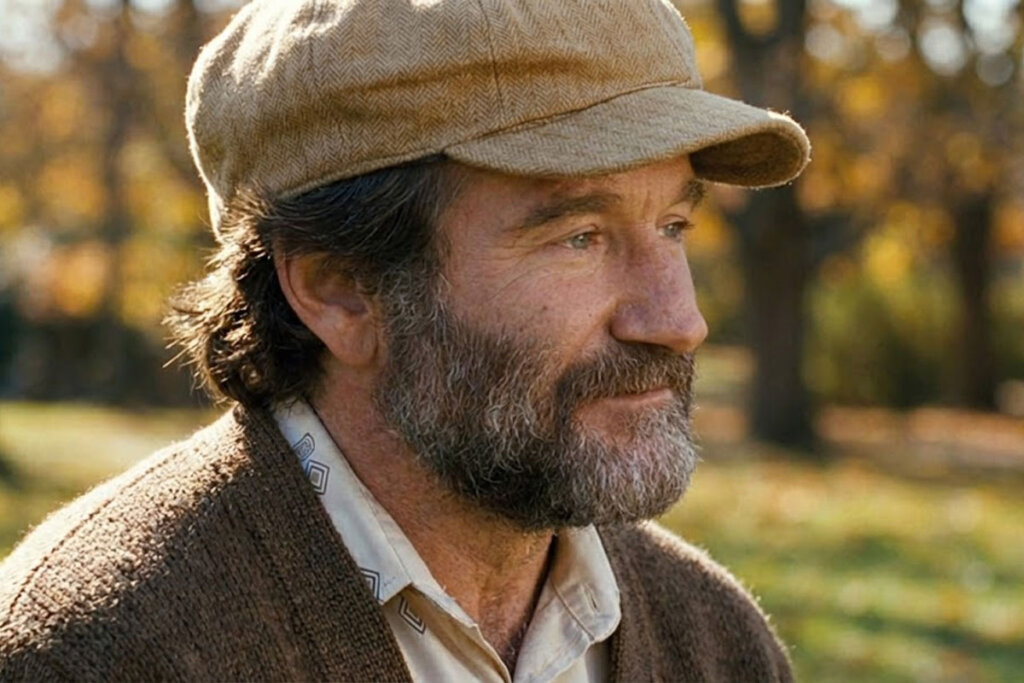
Robin Williams died in 2014 leaving his $100 million estate to his three kids (Zachary, Zelda, Cody) via trust with staggered distributions. Widow Susan got the Tiburon home plus maintenance fund.
But both Susan and the kids claimed the same items: 85+ watches, 50+ bikes, awards, toys, fossils, and his wedding tuxedo.
They settled in October 2015 – kids got vast majority (all awards, almost all watches/bikes). Susan kept wedding gifts, one bike, one watch, and selected clothing. The kids donated the entire bike collection to charity in 2016.
Tammy Wynette: Daughters Got $5,000 While Husband Inherited Millions
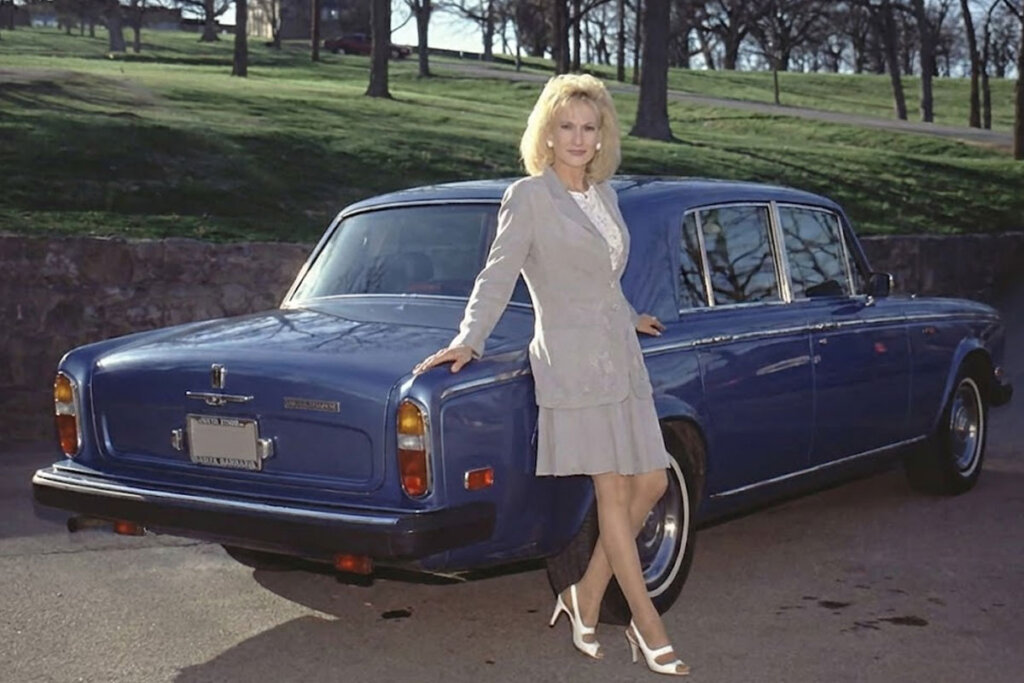
Tammy Wynette died in 1998 leaving her four daughters just $5,000 each while fifth husband George Richey inherited millions. The daughters claimed their mother had shown them a “yellow pad” with handwritten wishes, but Richey said he couldn’t find it.
They filed a $50 million wrongful death lawsuit and had their mother’s body exhumed, but the autopsy cleared Richey. He sold the catalog to Concord and left everything to his new wife and daughter when he died in 2010.
James Brown: Kids Got Nothing Until They Found a Legal Loophole
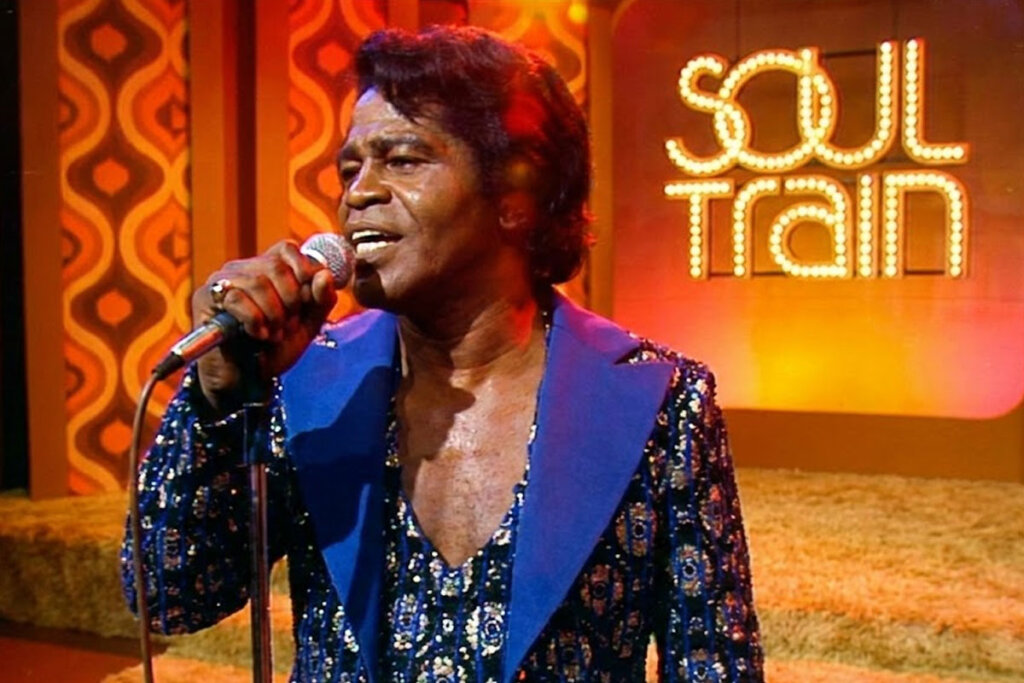
James Brown died in 2006 leaving everything to the “I Feel Good” Trust for poor kids’ scholarships. His six adult children got only personal effects. They were furious. Their legal strategy: use federal copyright termination rights to reclaim songs regardless of what the will said.
This gave them leverage. Primary Wave bought the estate for $90 million in 2021, and the children got settlements to release their termination rights. The scholarships weren’t awarded until 2025 – 19 years after his death.
Johnny Cash: Why He Disinherited His Daughters
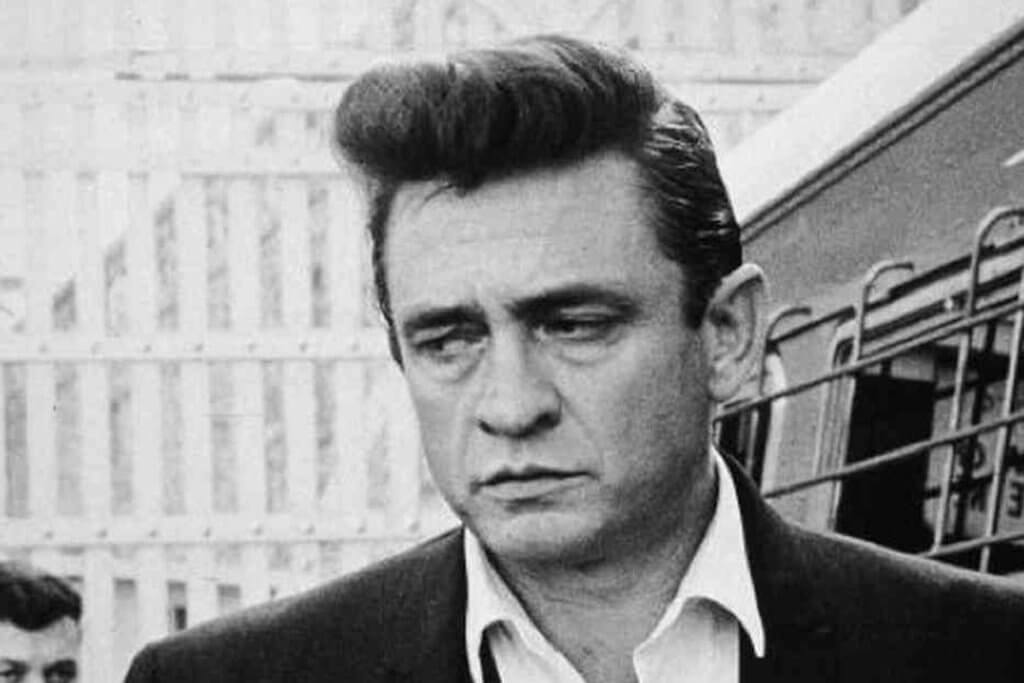
Johnny Cash’s estate decisions reflected his complex family relationships and specific expectations for his heirs. His estate planning included conditions and standards that affected how his daughters inherited, showing how celebrities use wills to enforce values from beyond the grave.
Elvis Presley: From Priscilla’s Control to Riley Keough’s $35 Million Battle
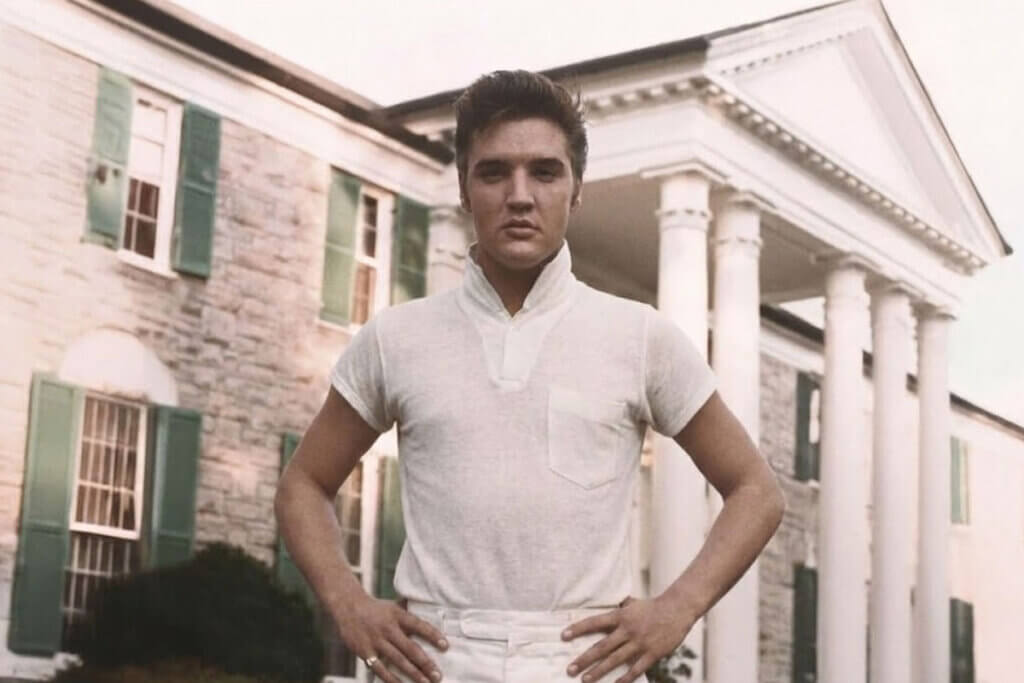
Elvis died in 1977 leaving everything to daughter Lisa Marie via trust managed by Priscilla. Lisa Marie inherited at 25, sold 85% to businessman Robert Sillerman for $100 million in 2005, then fought to control the remaining 15% until her death in 2023.
Her daughter Riley Keough became sole trustee after settling with grandmother Priscilla for $1 million plus $400k legal fees.
Riley now controls Graceland and fights to keep it from foreclosure attempts. The estate generates $100+ million annually from tourism and licensing.
Sold to Corporations: When Families Cashed Out
Some estates decided family control wasn’t worth the headache. They sold catalogs, brands, and intellectual property to entertainment companies for massive payouts.
Whitney Houston: Primary Wave Bought 50% for $7M, Quadrupled Value to $30M

Whitney Houston died in 2012 leaving everything to daughter Bobbi Kristina via spendthrift trust. Bobbi Kristina got $2 million at 21, then died at 22 in 2015 in similar bathtub circumstances as her mother. Her boyfriend Nick Gordon was found liable for wrongful death ($36M judgment, never paid).
The remaining 90% of Whitney’s estate went to mother Cissy and brothers Michael/Gary Houston. Primary Wave bought 50% in 2019 for roughly $7 million when the estate was valued at $14 million.
By 2023, they’d quadrupled the value to $30 million annually through aggressive licensing.
Frank Sinatra: Family Sold to Iconic Artists Group in 2025
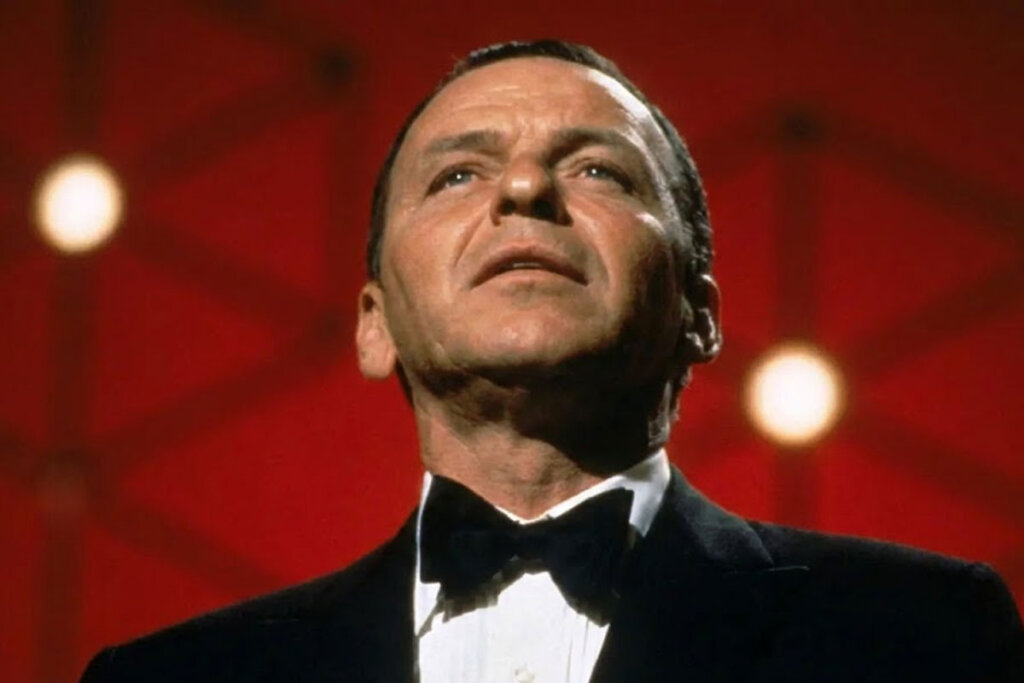
Frank Sinatra died in 1998 leaving wife Barbara the real estate and personal property, while his four kids (Nancy, Frank Jr., Tina, Cooper) got control of intellectual property through Sheffield Enterprises and Frank Sinatra Enterprises.
Barbara got 25% royalties but the kids made all business decisions. When Barbara died in 2017, her assets went to her son Robert Marx (not Sinatra’s kids). In 2025, the Sinatra family sold the name/image/likeness rights to Irving Azoff’s Iconic Artists Group, ending the family’s direct control after 27 years.
Marilyn Monroe: A Stranger Sold Her Dress for $1.26 Million
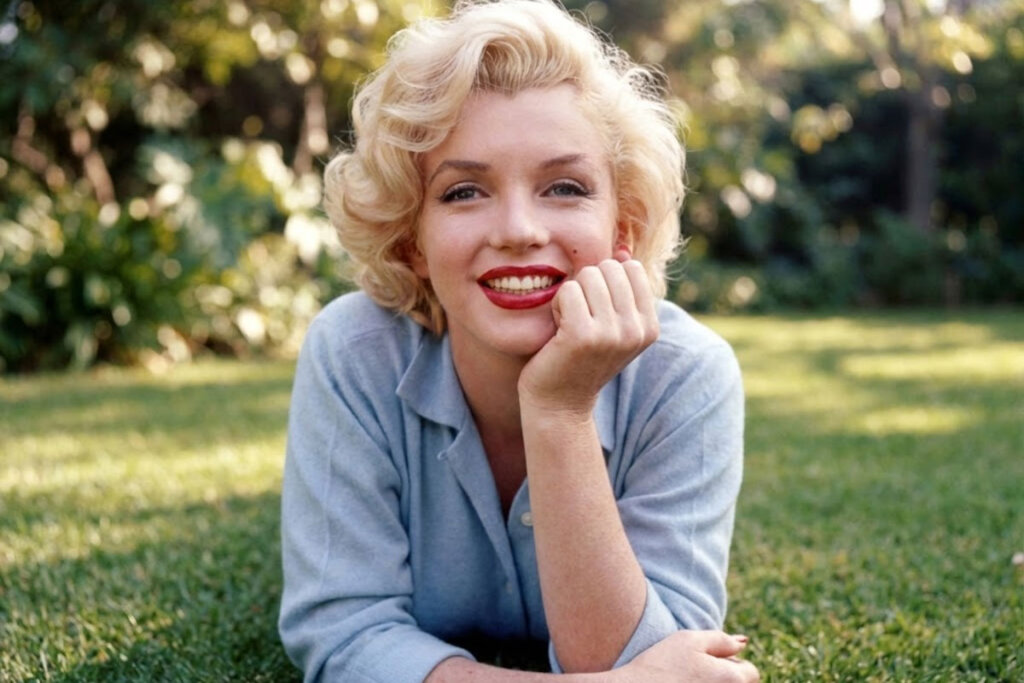
Marilyn Monroe died in 1962 leaving 75% to acting coach Lee Strasberg (who she’d known 8 years) and 25% to her psychiatrist. Her family got small cash bequests. Lee died in 1982 leaving everything to his third wife Anna Strasberg – a woman Monroe never met.
Anna professionalized the estate, held a 1999 Christie’s auction that raised $13.4 million (including the “Happy Birthday Mr. President” dress for $1.26M), then sold to Authentic Brands Group for $30-50 million. ABG now owns 100% and the estate generates $10 million annually.
Hugh Hefner: Sold Playboy Stock in 2018, Ending Family Control

Hugh Hefner died in 2017 at 91 with an estate valued between $43-110 million. He used the Hugh M. Hefner 1991 Trust to split everything 50/50: half to his four children, half to charity.
His widow Crystal Harris was excluded from the will via prenup but got a $5 million Hollywood Hills home plus $5 million cash. In 2018, the estate sold the remaining 37% Playboy stake for $35 million, ending Hefner family ownership.
Son Cooper tried to buy back Playboy in 2024 for $100 million but was rejected.
The Smooth Operators: When Estate Planning Actually Worked
A few celebrities got it right. They used trusts to avoid probate, structured assets to prevent fighting, and made their wishes crystal clear. Zero lawsuits. Zero drama.
Steve Jobs: Widow Got $10 Billion and Plans to Spend It All

Steve Jobs died in 2011 with $10.2 billion (mostly Disney stock from the 2006 Pixar sale). Everything went to wife Laurene Powell Jobs via the Steven P. Jobs Trust using unlimited marital deduction (no estate tax). Her philosophy: “it ends with me” – she’s spending down to zero during her lifetime through Emerson Collective.
She’s committed $3.5 billion to climate change, bought The Atlantic, and is a mega-donor to Democrats. The four kids are supported but won’t inherit billions. Complete privacy via trust – no probate, no public fighting.
Dr. Seuss: Widow Turned Books Into a $35M-a-Year Charity Machine
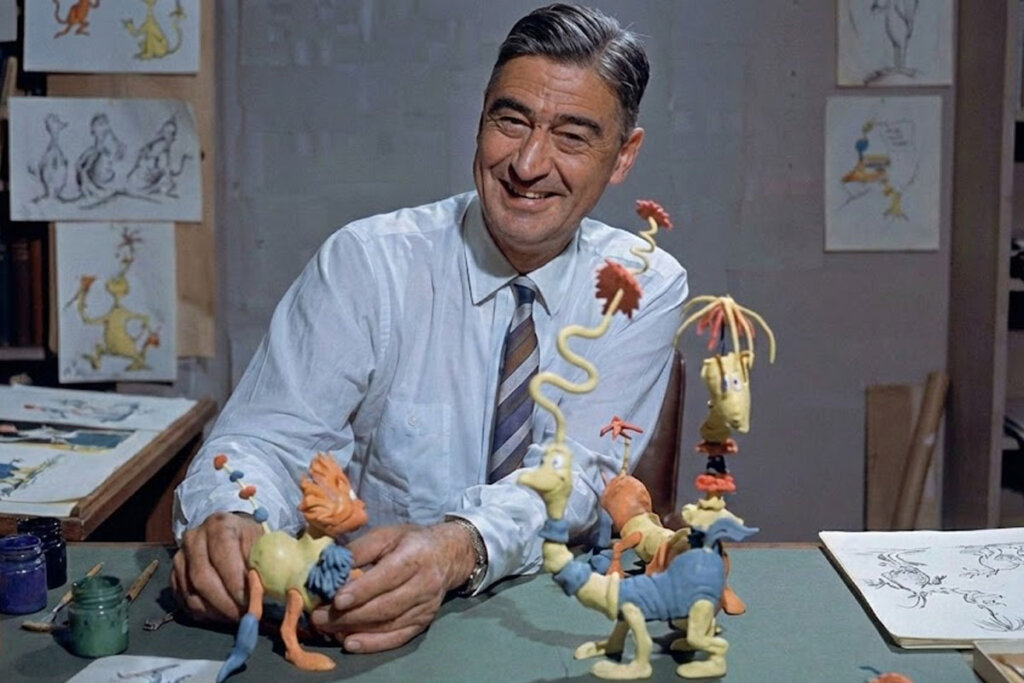
Dr. Seuss died in 1991 with no biological children. Widow Audrey inherited the $75 million estate, founded Dr. Seuss Enterprises in 1993, and turned it into a global brand generating $33-35 million annually.
When Audrey died in 2018, the entire business transferred to the Dr. Seuss Foundation, a non-profit. Her two daughters from a previous marriage got personal property and artistic roles but don’t own or control the business.
Today it’s run by CEO Susan Brandt, owned by a foundation, and funnels profits into literacy programs. The Cat in the Hat is literally a philanthropist now.
The Copyright Wars: When Intellectual Property Gets Complicated
For authors and creators, estate inheritance isn’t just about money – it’s about who controls the copyrights, trademarks, and licensing deals. These estates navigate complex IP law across multiple countries.
Agatha Christie: AMC Networks Owns 64%, Family Runs It
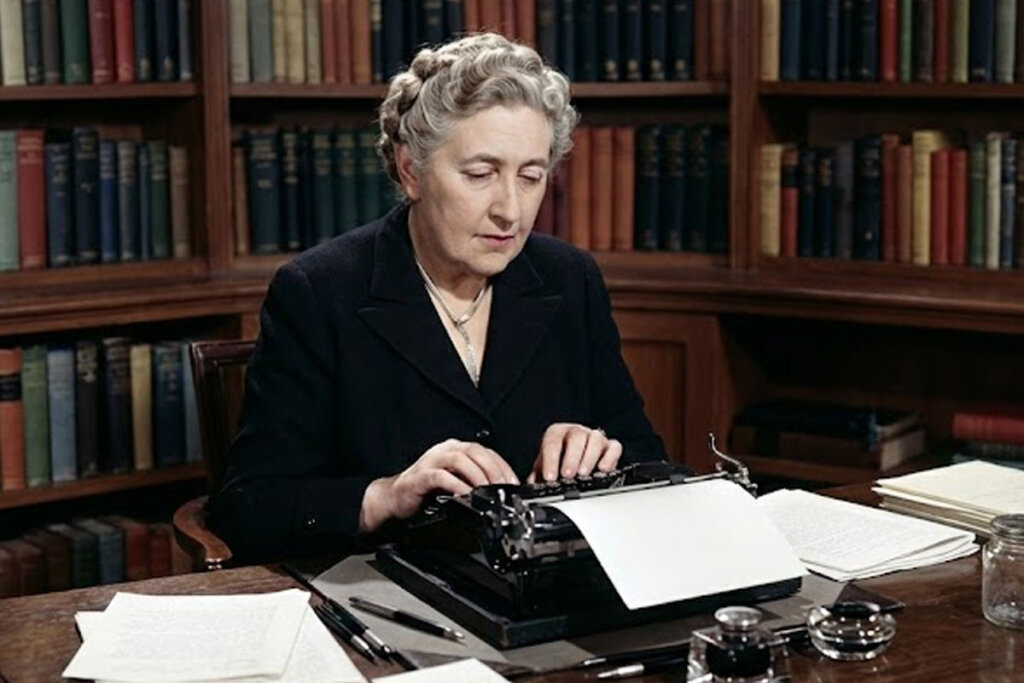
Agatha Christie died in 1976 but had incorporated Agatha Christie Limited in 1955 as a tax shelter. Today, AMC Networks (the company behind The Walking Dead) owns 64% of the company, acquired through buying RLJ Entertainment in 2018 for $274 million. Christie’s great-grandson James Prichard owns 36% and runs it as Chairman/CEO with veto power over adaptations.
In UK/EU/Canada, copyrights expire January 1, 2047. But in the US, it’s a rolling public domain – early works from the 1920s-1930s are already public, and Miss Marple entered public domain on January 1, 2026.
The estate fights back with trademark enforcement and commissions new “official” Poirot novels.
The Patterns: What We Learn From Celebrity Estates
After analyzing 17 major celebrity estates, clear patterns emerge about what works and what causes disasters.
No Will = Years of Court Battles
Prince, Aretha Franklin, Tupac, and Jimi Hendrix all died without wills. Prince’s estate took 6 years to settle. Aretha’s required a jury trial. Tupac’s mother had to fight off his biological father in court. Jimi’s father got scammed by his own lawyer and spent decades recovering the rights. The lesson: intestate succession creates chaos for celebrities with complicated families.
Trusts Avoid Probate Drama
Steve Jobs, Hugh Hefner, and Dr. Seuss used revocable living trusts to keep everything private and avoid probate court. Their estates settled quietly with zero public drama. Michael Jackson had a trust too, but failed to fund it properly, forcing probate anyway.
Prenups Prevent Widow vs. Kids Warfare
Hugh Hefner and Frank Sinatra used prenups to separate what widows got from what kids inherited. This prevented the stepchildren-versus-widow fighting that plagued estates like Robin Williams’ and Elvis Presley’s. By giving the widow assets separately (Hefner’s $5M house, Sinatra’s real estate), they eliminated shared ownership conflicts.
Corporate Buyers Pay Millions for Catalogs
Primary Wave has become the biggest celebrity estate buyer, acquiring stakes in Prince (~$90M), Whitney Houston ($7M for 50%), and James Brown ($90M). Authentic Brands Group bought Marilyn Monroe ($30-50M). Iconic Artists Group bought Frank Sinatra (2025). AMC Networks bought Agatha Christie ($274M). Concord bought Tammy Wynette’s catalog (2010). Families trade control for liquidity.
Kids Don’t Always Inherit
Marilyn Monroe left 75% to her acting coach. James Brown left everything to charity scholarships (kids had to fight for settlements). Johnny Cash disinherited daughters who didn’t meet his standards. Tammy Wynette’s daughters got $5,000 each while her husband got millions. Aaron Spelling left daughter Tori just $800,000 from his $500 million fortune while widow Candy inherited the rest. Dr. Seuss had no biological children and left everything to a foundation. The lesson: blood doesn’t guarantee inheritance.
The IRS Always Gets Paid First
Prince’s estate fought the IRS for years over a $156 million valuation. Aretha Franklin owed $7.8 million in back taxes. Michael Jackson’s estate battled the IRS over image valuation ($434M vs. $4.15M). Heirs don’t get money until tax debts are satisfied, which can take years.
The Bottom Line on Celebrity Inheritance
Celebrity estates reveal brutal truths about family, money, and control. Dying without a will triggers state law and court battles. Trusts avoid probate but require proper funding. Prenups prevent widow-versus-kids warfare. Corporate buyers will pay millions for catalogs. And the IRS always gets paid first.
The estates that worked best had three things in common: clear legal documents, professional trustees, and separation of assets to prevent shared ownership disputes. The disasters? No will, blended families without prenups, and failure to fund trusts properly.
Whether you’re worth $10 billion like Steve Jobs or $105k like Tupac when he died, estate planning matters. The celebrities who got it right avoided years of litigation and kept their families out of court. The ones who didn’t? Their estates are still fighting decades later.
Welcome to celebrity estate inheritance – where fortunes are made, lost, and fought over long after the famous person is gone.