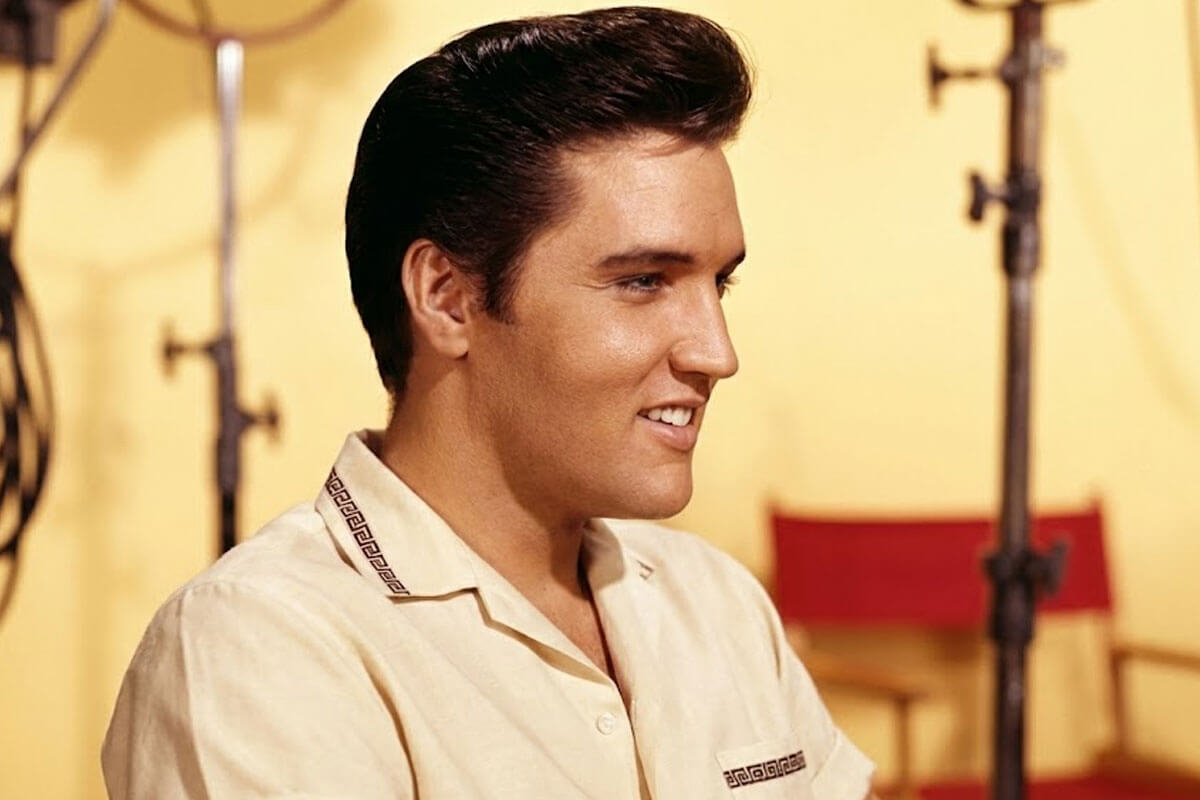
TLDR: Elvis’s royalties are split between multiple companies in a complicated mess. Sony owns all his master recordings from before March 1973 (his biggest hits) thanks to a terrible deal Colonel Parker made. Riley Keough’s family trust owns 15% of Elvis Presley Enterprises, while Authentic Brands Group owns 85%.
The estate makes almost nothing from streaming Elvis’s music but rakes in over $100 million a year from Graceland tours, merchandise, and licensing his image.
Universal Music Publishing handles the songwriting royalties. Basically, the family kept Graceland but sold most of the commercial rights.
When you stream an Elvis song on Spotify, where does that money go? The answer is way more complicated than you’d think, and it involves one of the worst business deals in music history.
Elvis’s royalties don’t just go to one person or company. They’re split between Sony, a massive brand management company, Riley Keough’s family trust, and various other partners depending on what year the song was recorded.
Here’s who actually controls Elvis Presley’s money and why the family gets way less than you’d expect.
Colonel Parker Made The Worst Deal Ever in 1973
The reason the Elvis estate doesn’t make much money from his music comes down to one terrible decision in 1973.
Colonel Tom Parker, Elvis’s manager, was always looking for quick cash. In March 1973, he convinced Elvis to sell all the master recordings of every song he’d recorded up to that point to RCA Records (now owned by Sony) for a one-time payment of $5.4 million.
Colonel Parker took half of that money, $2.7 million. Elvis got the other $2.7 million. And in exchange, they gave up all future royalties on those recordings. Forever.
Think about what that means. The estate gets zero dollars from:
“Hound Dog.” “Jailhouse Rock.” “Can’t Help Falling in Love.” “Heartbreak Hotel.” “Suspicious Minds.” “In the Ghetto.” Literally every massive Elvis hit you can think of was recorded before March 1973.
When those songs get streamed millions of times, when they’re in movies, when they’re on the radio, Sony gets 100% of the master recording royalties. The Elvis estate gets nothing.
It’s widely considered one of the worst deals in music history. Colonel Parker traded the rights to Elvis’s entire legendary catalog for a one-time cash payment. He basically sold the golden goose.
The Estate Only Gets Money From Songs After 1973
The estate does still earn royalties on recordings made after the March 1973 deal. But here’s the problem: Elvis only had four more years to live.
The post-1973 catalog includes albums like “Good Times,” “Promised Land,” and “Moody Blue,” plus some live recordings from his final tours. These generate some income, but they’re nowhere near as popular or valuable as his classic hits from the 50s and 60s.
So yeah, the estate gets paid when “Way Down” or “Moody Blue” gets played. But compared to the billions generated by the pre-1973 catalog that Sony owns? It’s basically pocket change.
But Wait, There’s Publishing Money
Here’s where it gets complicated. There are two types of music rights: master recordings (the actual audio) and publishing (the songwriting).
While Sony owns the master recordings, the estate still controls some publishing rights. Publishing generates money every time a song is played on the radio, streamed, or covered by another artist.
Elvis wasn’t a songwriter, but his business model required songwriters to share publishing with him. So even though he didn’t write “Love Me Tender” or “Don’t Be Cruel,” he owned a piece of the publishing on hundreds of songs he recorded.
In 2022, Authentic Brands Group (we’ll get to them) partnered with Universal Music Publishing Group to administer these rights worldwide. Universal collects the publishing royalties and the estate gets a cut.
This helps, but it’s still way less money than they’d make if they owned the actual recordings.
Lisa Marie Sold 85% of Elvis Presley Enterprises in 2005
Fast forward to 2005. Lisa Marie Presley inherited the Elvis estate when she turned 25 in 1993. By 2005, she was drowning in $25 million of debt.
Her business manager Barry Siegel convinced her to sell most of Elvis Presley Enterprises to a company called CKX Inc., owned by Robert Sillerman. The deal was worth about $100 million total, but it broke down like this:
$50 million in cash. $25 million in CKX stock (which later became worthless when the company went bankrupt). CKX paid off Lisa Marie’s $25 million in debts.
In exchange, Lisa Marie gave up 85% ownership of Elvis Presley Enterprises. She kept only 15% and full ownership of the Graceland mansion itself.
This was the moment the Elvis estate stopped being a purely family business and became corporate property.
Authentic Brands Group Owns 85% Now
CKX eventually got bought by Apollo Global Management and renamed CORE Media Group. Then in 2013, a company called Authentic Brands Group bought the Elvis assets from CORE.
Authentic Brands Group, or ABG, is a massive brand management company founded by Jamie Salter. They specialize in buying the intellectual property of celebrity brands and squeezing every dollar out through licensing deals.
ABG owns the rights to Marilyn Monroe, Muhammad Ali, Sports Illustrated, Reebok, and a bunch of other iconic names. Elvis is just one piece of their portfolio.
As of 2025, ABG owns 85% of Elvis Presley Enterprises. Riley Keough’s family trust (the Promenade Trust) owns the other 15%.
So when Elvis Presley Enterprises makes money from licensing Elvis’s name and image for merchandise, slot machines, perfume, or whatever, ABG gets 85 cents of every dollar and Riley’s trust gets 15 cents.
What Riley Actually Controls
When Lisa Marie died in 2023, Riley became the sole trustee of the Promenade Trust after settling a legal battle with her grandmother Priscilla.
Here’s what Riley controls:
100% ownership of the Graceland mansion and grounds. The 15% stake in Elvis Presley Enterprises. All of Elvis’s personal effects, jumpsuits, cars, awards, and memorabilia. The right to approve or veto certain uses of Elvis’s image that might damage his legacy.
What she doesn’t control is the other 85% of the commercial operation. ABG makes those decisions. They’re the ones doing global licensing deals, planning hologram concerts, and partnering with luxury brands.
Riley basically has minority shareholder status in the business side, but she owns the most important asset: the house.
Graceland Tours Make Way More Money Than Music
Here’s the wild part. Because of that terrible 1973 deal with Sony, the Elvis estate makes way more money from Graceland tours than from his actual music.
Over 600,000 people visit Graceland every year. Adult tickets cost around $80, and VIP tours can run hundreds of dollars. The estate also operates a 450-room luxury hotel called The Guest House at Graceland and a massive entertainment complex with museums and restaurants.
The operations are managed by Joel Weinshanker through a company called Graceland Holdings LLC. He runs the day-to-day business in Memphis while ABG handles global branding and Riley oversees the legacy from LA.
In 2023, right after the Baz Luhrmann Elvis movie came out, the estate earned over $100 million. In a normal year without a major movie, it’s around $50 million.
Compare that to what they’d be making if they owned the master recordings to “Jailhouse Rock” and “Hound Dog.” It’s not even close. The tours and merchandise are the real cash cows, not the music.
Riley Had to Defend Graceland From Scammers
In May 2024, Riley’s ownership of Graceland got tested when scammers tried to literally steal the mansion.
A fake company called Naussany Investments claimed Lisa Marie had borrowed $3.8 million using Graceland as collateral and scheduled a foreclosure auction to sell the property.
Riley immediately sued and proved the loan documents were forged. The notary whose signature was on the papers said she’d never even met Lisa Marie. The whole thing was a scam.
The FBI arrested a woman named Lisa Jeanine Findley and charged her with mail fraud. Riley saved Graceland and proved she’s a vigilant guardian of the estate, not just a figurehead.
Where All the Money Actually Goes
Let’s break down who gets what when you interact with anything Elvis-related:
You stream “Suspicious Minds” on Spotify? Sony gets the master recording royalty (100%). The estate gets a small publishing royalty through Universal Music Publishing.
You buy an Elvis t-shirt? The manufacturer pays a licensing fee to Elvis Presley Enterprises. ABG gets 85%, Riley’s trust gets 15%.
You tour Graceland? That money goes to Graceland Holdings (operated by Weinshanker), with a cut going to Elvis Presley Enterprises, which then splits 85/15 between ABG and Riley’s trust.
You stay at The Guest House hotel? Same deal, the profits flow through the partnership structure.
The estate is valued at somewhere between $400 million and $500 million total. Riley’s personal net worth from her inheritance is estimated at $20 million to $30 million, mostly tied up in illiquid assets like the mansion.
The Future: Holograms and Digital Elvis
ABG is trying to keep Elvis relevant for younger generations who never saw him perform. In 2024, they announced “Elvis Evolution,” a holographic concert experience in London using AI and projection technology.
The idea is to create a digital Elvis that can “perform” for audiences born decades after he died. It’s weird and kind of dystopian, but it’s the future of dead celebrity monetization.
Riley, as the 15% owner and guardian of the legacy, has some approval rights over projects that might damage Elvis’s dignity. But ABG drives most of the strategy.
Why This Matters
The Elvis estate is a perfect example of how celebrity intellectual property gets carved up and sold off until the family barely controls any of it.
Colonel Parker’s 1973 deal gave away the most valuable asset (the master recordings). Lisa Marie’s 2005 sale gave away 85% of the commercial operation. What’s left for the family is Graceland itself and a minority stake that generates some income but no real control.
Riley owns the castle but not the kingdom. ABG runs the business. Sony owns the music. Universal handles publishing. Weinshanker operates the tours.
The only reason the family has any leverage at all is because Riley kept ownership of Graceland. As long as she owns the physical house and the burial site, she has something the corporations need. You can’t run Elvis Presley Enterprises without access to Elvis Presley’s actual home.
So when people ask “who controls Elvis’s royalties,” the answer is: a bunch of different companies depending on which royalty you’re talking about.
But the one thing that can’t be sold or split up is Graceland itself.
And that’s still in the family’s hands.