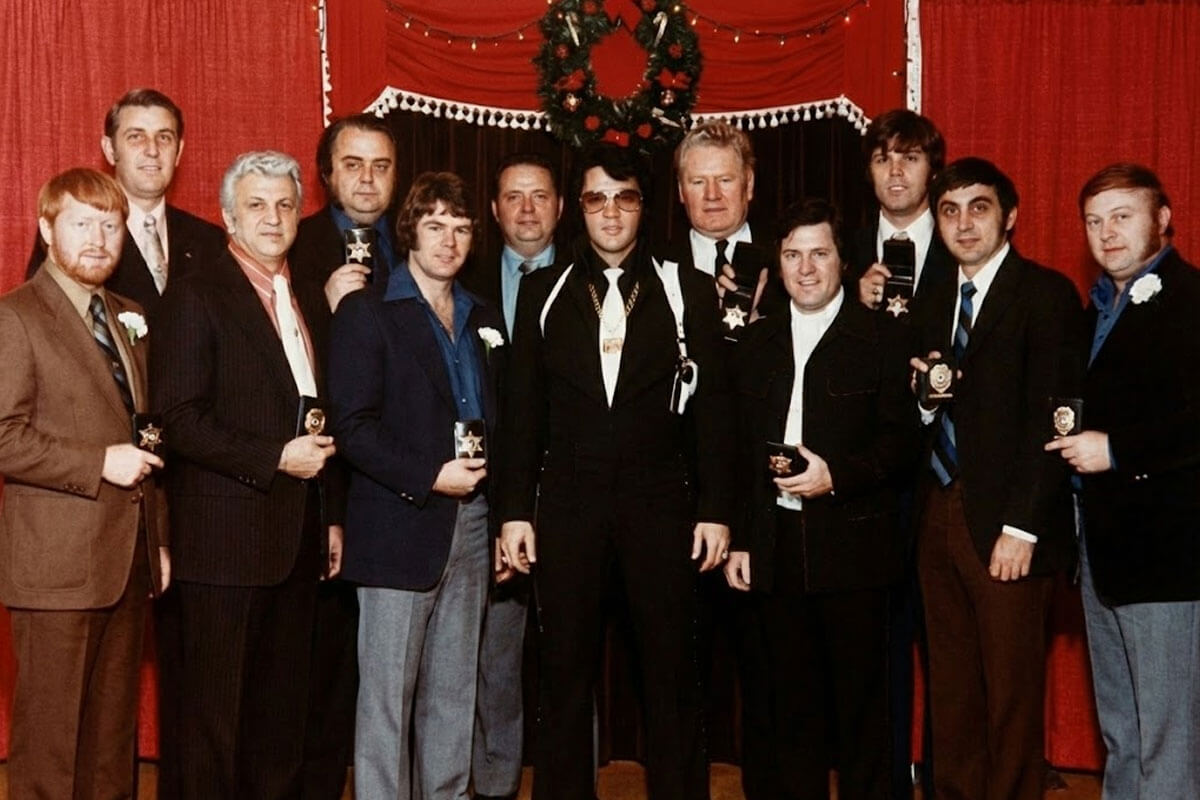
TLDR: The Memphis Mafia was Elvis Presley’s inner circle of friends, bodyguards, and employees who lived with him at Graceland and traveled everywhere with him from the 1950s until he died in 1977.
The group included childhood friends like Red West, road manager Joe Esposito, and others who got paid barely anything but received houses, cars, and an all-expenses-paid lifestyle.
In 1976, Elvis’s dad fired three of them, and they responded by writing a tell-all book exposing his drug addiction. Elvis died two weeks after the book came out.
Here’s everything you need to know about Elvis’s Memphis Mafia and the betrayal that rocked his final days.
It Started With His High School Friends
The “Memphis Mafia” wasn’t some professional security team Elvis hired. It started with guys he knew from the housing projects and high school in Memphis.
The very first member was Red West. Back at Humes High School, Red was a football player who protected Elvis from bullies who picked on him for having long hair and wearing weird clothes. When Elvis’s music career took off in 1954, he brought Red along as his driver and bodyguard.
Then came Elvis’s cousins, Junior and Gene Smith. Gene especially was glued to Elvis’s side in the early touring days. Elvis trusted family and people he knew from before he got famous way more than strangers.
As the tours got bigger and the crowds got crazier, Elvis needed more people. Lamar Fike literally showed up at Graceland in 1957 and refused to leave until Elvis let him join the group. His persistence paid off, and he stayed for 20 years.
By the late 1950s, this wasn’t just friends tagging along anymore. It was a full lifestyle. They all lived at Graceland, drove Cadillacs Elvis bought them, and formed a wall between Elvis and the outside world.
Why They Were Called the Memphis Mafia
Elvis didn’t come up with the name. A reporter did.
In the early 1960s during a Vegas show, a journalist saw the whole crew arrive in black limos wearing matching dark suits and sunglasses. Elvis made them dress that way to look professional and intimidating. The reporter thought they looked like the actual mafia, and the name stuck.
The guys themselves just called each other “the Guys.” But they eventually embraced the Memphis Mafia nickname because it sounded cool and tough.
Who the Main Members Were and What They Did
The group changed over the years, but there was a core team that stuck around for decades. Each guy had a specific role.
Joe Esposito
He was basically the chief of staff. He managed all the money on the road, carried thousands of dollars in cash, booked hotels, hired private jets, and made sure everything ran smoothly. He was called “Diamond Joe” and was one of Elvis’s two best men at his wedding to Priscilla in 1967.
Marty Lacker
Lacker was the other best man. He handled the creative side and administrative stuff. He’s the one who convinced Elvis to record at American Sound Studio in Memphis in 1969, which resulted in huge hits like “Suspicious Minds.”
Red West and his cousin Sonny West
Think of them as “the muscle.” They were martial artists who carried guns and handled security. They got pretty aggressive with fans sometimes, which led to lawsuits. Red also wrote songs for Elvis, including “Separate Ways.”
Lamar Fike
He was the comic relief. Elvis made fun of him constantly, but Lamar took it because he loved the lifestyle. He also worked in the music publishing business and ran Elvis’s lighting for concerts.
Charlie Hodge
The music guy. He sang harmony with Elvis on stage, handed him water and scarves during shows, and helped with all the musical arrangements.
Jerry Schilling
Schilling was one of the younger members who joined in 1964. Unlike the others, he actually left a few times to do his own thing, which made him more independent. He eventually became a successful talent manager.
Billy Smith
He was Elvis’s cousin who lived on the Graceland property. He was more like family than an employee and was one of Elvis’s closest confidants.
The TCB Code and the Gold Jewelry
In the late 1960s, the group adopted a motto: TCB, which stood for “Taking Care of Business.” It came with a lightning bolt logo that Priscilla designed on a plane.
When you officially became part of the inner circle, Elvis gave you a gold TCB necklace or ring. It was like getting knighted. The jewelry had the letters TCB with the lightning bolt, and it meant you were in.
Wives and girlfriends got TLC necklaces, which stood for “Tender Loving Care.” Basically marking them as connected to the organization.
The TCB logo showed up everywhere. On the tail of Elvis’s private jet, the Lisa Marie. On their guns. On stationary. It was the brand of Elvis’s private world.
They Got Paid Almost Nothing But Lived Like Kings
Here’s the wild part about the money. In the 1960s, these guys were making about $250 a week. By the late 1970s, it had only gone up to $425. That’s not a lot of money, even back then.
But Elvis made up for it with insane perks. He bought them houses. He bought them Cadillacs. He paid for all their clothes, all their food, all their travel. Everything was covered when they were with Elvis.
It was called the “golden handcuffs.” They lived like millionaires while working for Elvis, but they had no savings and no money of their own. If they left, their lifestyle would instantly disappear. This setup made it almost impossible for anyone to quit or tell Elvis no.
What They Actually Did All Day
Besides security and logistics, the Memphis Mafia’s main job was keeping Elvis entertained and isolated from reality.
They rented out entire movie theaters so Elvis could watch films in private every single night. They rented amusement parks at midnight so he could ride roller coasters without crowds. They had water pistol fights and fireworks wars at Graceland.
They also had a pretty gross job: finding women for Elvis. During concerts, they’d scout the audience for attractive women and invite them backstage. Journalist reports described them as “girl-getters.” There were strict rules that Elvis got first pick, and the rest of the women were fair game for the guys.
Basically, they created a bubble where Elvis could stay in permanent adolescence, playing and partying instead of dealing with adult responsibilities or the pressures of his career.
They Hated Colonel Parker
The Memphis Mafia existed in a cold war with Elvis’s manager, Colonel Tom Parker.
Parker called them “hangers-on” and “leeches.” He saw them as a threat to his control over Elvis. Parker would use Joe Esposito to deliver bad news to Elvis so the Colonel could keep his hands clean.
The guys called Parker “The Snowman” behind his back. They didn’t like him, but they respected his power. Parker made sure the Mafia kept Elvis happy but never got any say in business decisions.
Elvis’s dad Vernon also hated the entourage. He thought they were taking advantage of his son and constantly complained about how much they cost. Vernon was the one who actually fired people when Elvis couldn’t bring himself to do it.
The 1976 Firing That Destroyed Everything
On July 13, 1976, everything fell apart. Vernon fired Red West, Sonny West, and another bodyguard named Dave Hebler.
The official reason was cost cutting. Elvis was spending money like crazy, and Vernon said the payroll was too expensive.
But there were other reasons. The West cousins had been getting sued for roughing up fans and photographers. Elvis was tired of the legal problems and bad publicity.
The Wests later claimed the real reason was that they confronted Elvis about his drug addiction. They said they were the only ones willing to say no to him, so they got kicked out.
The firing was brutal. After decades of loyal service, they got one week’s severance pay. They weren’t even allowed to talk to Elvis directly. Vernon delivered the news.
Sonny West said later that Elvis only wanted a temporary break, but Vernon made it permanent. Either way, the guys were devastated and broke.
They Wrote a Tell-All Book Exposing Elvis
Desperate for money and feeling betrayed, Red West, Sonny West, and Dave Hebler did the unthinkable.
They teamed up with a tabloid journalist named Steve Dunleavy and wrote a book called “Elvis: What Happened?”
The book came out in August 1977 and absolutely destroyed the image Elvis had carefully protected for 20 years.
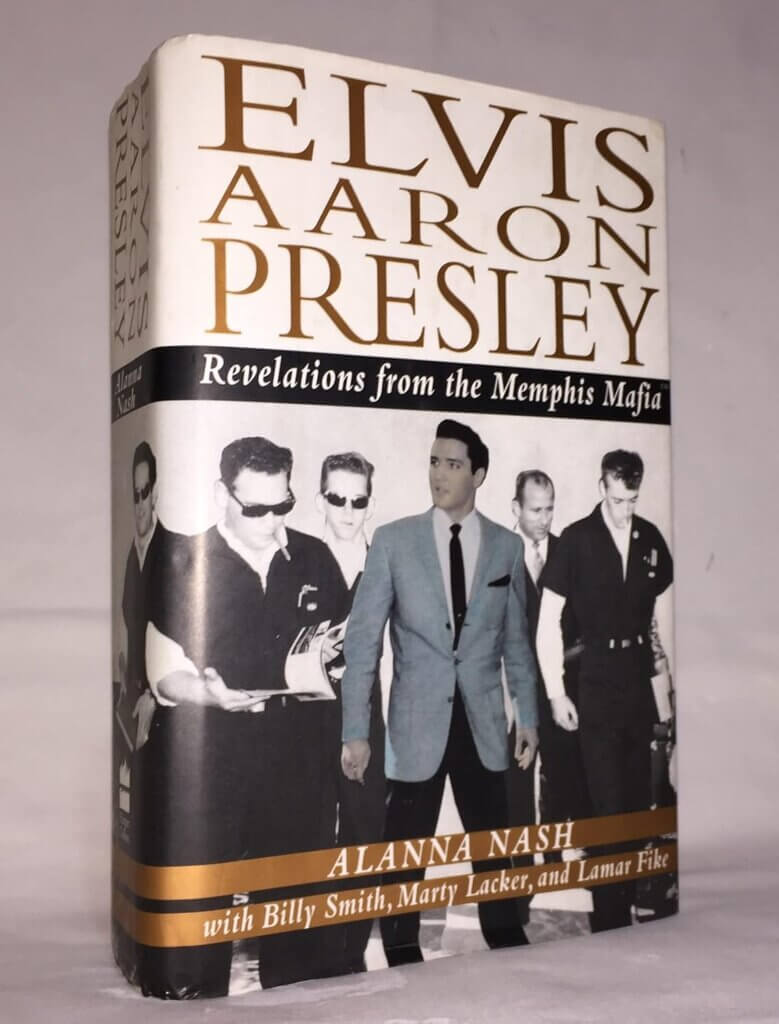
It exposed his massive prescription drug addiction, calling him a “walking drugstore.” It described near-overdoses and his dependence on pills to function.
It talked about his obsession with guns, including stories of him shooting at TVs and chandeliers when he got mad.
It revealed his weird spiritual beliefs, like thinking he could move clouds with his mind and that he had healing powers.
Elvis got an advance copy of the book in summer 1977. He was absolutely destroyed. He felt betrayed by his oldest friends and was terrified the book would ruin his image and hurt his daughter Lisa Marie.
The authors claimed they wrote it as an intervention, trying to shock Elvis into getting help. But the timing and their desperate financial situation made it look like revenge.
Elvis Died Two Weeks After the Book Came Out
On August 16, 1977, just two weeks after “Elvis: What Happened?” was published, Elvis died from a heart attack caused by drug abuse.
The timing gave the book instant, horrible credibility. What could have been dismissed as tabloid lies was confirmed by the autopsy and toxicology reports. Everything the Wests said was true.
Red and Sonny West lived with the “Judas” label for the rest of their lives. Fans called them traitors. They were estranged from the Presley estate. They maintained until they died that they loved Elvis and were trying to save him, but the shadow of that book never went away.
What Happened to Them After Elvis Died
When Elvis died, the Memphis Mafia’s world collapsed overnight. Their entire identity and income was tied to being Elvis’s friends, and suddenly that job didn’t exist anymore.
Vernon immediately cut loose most of the guys. Billy Smith and his wife, who lived in a trailer on the Graceland grounds, eventually had to move out.
But some of them went on to have pretty successful careers.
Joe Esposito became a road manager for huge acts like Michael Jackson, the Bee Gees, and John Denver. He stayed respected in the music industry until he died in 2016.
Jerry Schilling had the most success. He became a talent manager for the Beach Boys, Jerry Lee Lewis, and Billy Joel. He’s still alive and is considered one of the most respectful voices about Elvis’s legacy.
Marty Lacker stayed in Memphis and became a big deal in the local music scene, helping organize the Memphis Music Commission. He died in 2017.
Red West became a character actor, appearing in movies like “Road House” and “The Rainmaker.” But he never escaped the stigma of the tell-all book. He died in 2017.
Sonny West worked in security and retail. He also died in 2017.
Lamar Fike went back to Nashville and worked in music publishing until his death in 2011.
Basically, all the core members from the glory days are gone now. Jerry Schilling is one of the last surviving members still around.
The Legacy of the Memphis Mafia
Looking back, the Memphis Mafia was both Elvis’s protection and his prison.
They kept him safe from crazy fans and gave him the companionship he desperately needed. But they also created a bubble that cut him off from reality. The yes-man culture, the drug enabling, the constant partying, it all contributed to his downfall.
They loved him like a brother. But they also got him the pills that killed him. They tried to intervene near the end. But they also wrote the book that exposed his darkest secrets while he was still alive to see it.
The Memphis Mafia is a perfect example of what happens when someone gets so famous they can’t trust anyone new, so they surround themselves with people who depend on them financially.
It creates a toxic dynamic where nobody can say no, and the famous person spirals with everyone watching but nobody able to stop it.
As Lisa Marie later said, she saw “chaos, silence, and a group of men who watched him fall.”
That pretty much sums up the tragedy of the Memphis Mafia. They were there for all of it, from the incredible highs to the devastating end.