If you’ve been watching the Food Network since the 1990s, you’ve seen it transform from simple cooking shows into a full-blown entertainment empire. The stars you watch every day aren’t just chefs anymore. They’re business moguls running multi-million dollar operations.
But who’s actually making the big money? Is it the competition show judges? The celebrity chefs with restaurants? Or the personalities selling cookware at Walmart?
The answers might surprise you. The richest Food Network stars aren’t necessarily the best cooks.
They’re the smartest business people who figured out how to turn 30 minutes of TV time into empires worth $100 million or more.
The Two $100 Million Club Members
Only two Food Network stars have cracked the $100 million mark, and they got there in completely different ways.
Guy Fieri: The Highest-Paid Star in Food Network History
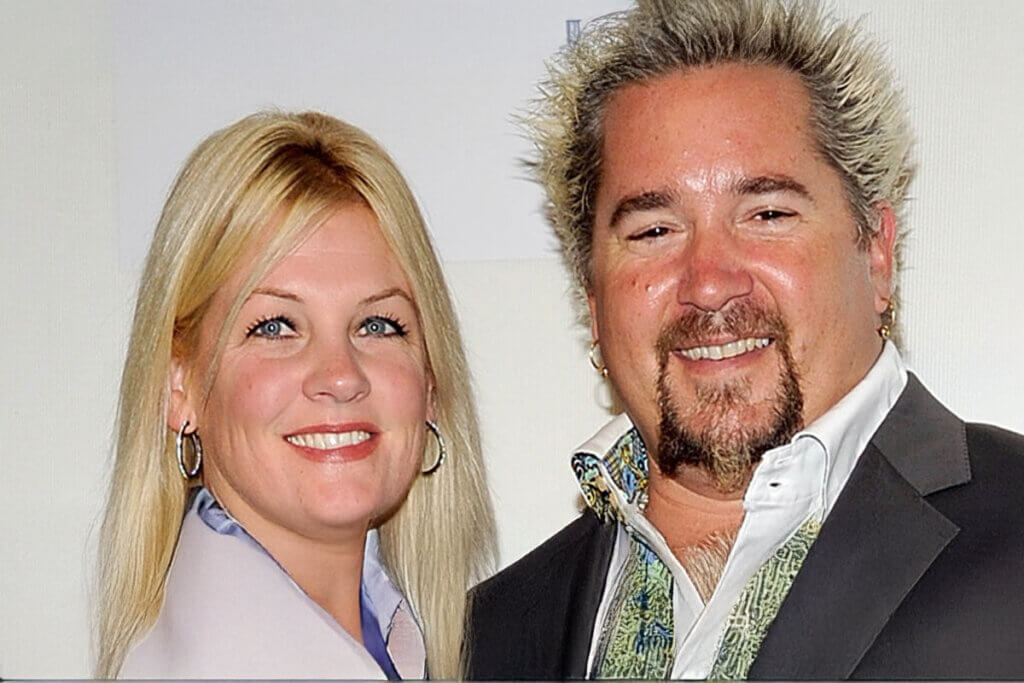
Guy Fieri is worth $100 million in 2026, making him the richest currently active Food Network personality. But here’s what makes his story remarkable: he started at the bottom.
When Fieri won The Next Food Network Star in 2006, he got a six-episode deal for his first show, Guy’s Big Bite. His pay? Less than $1,000 per episode. That’s barely enough to cover gas and groceries.
Twenty years later, Fieri signed a contract in 2023 worth more than $100 million over three years. That breaks down to about $33.3 million per year just from his Food Network salary. He’s the highest-paid talent in the entire history of cable food television.
Why does the Food Network pay him so much? Because he makes them even more money. His flagship show Diners, Drive-Ins and Dives generated over $230 million in advertising revenue for the network in 2020 alone.
When one person brings in that kind of money, you pay them whatever it takes to keep them.
But Fieri’s TV salary is just the beginning. He owns a production company called Knuckle Sandwich LLC that makes his shows and manages his business deals.
He has licensing deals for over 80 restaurant locations around the world, bringing in an estimated $7 million to $12 million per year.
Add in endorsements, speaking fees, and production work, and you’re looking at total annual earnings around $40 million to $45 million.
Rachael Ray: The Ownership Advantage

Rachael Ray is worth $100 million, but she built her fortune differently than Guy Fieri. While Fieri gets paid massive amounts to work for Food Network, Ray figured out how to own her own content.
Ray started with 30 Minute Meals on Food Network, which made her famous. But the real money came when she launched her daytime talk show Rachael Ray in 2006.
That show ran for 17 seasons, and because it was syndicated (meaning it aired on local stations across the country), Ray got a share of the profits instead of just a salary.
This is called the “ownership advantage,” and it’s the same model Oprah Winfrey used to become a billionaire.
When you own your show instead of just starring in it, you make money every time it airs anywhere in the world.
You also control merchandising, licensing, and everything else connected to the brand.
Ray diversified beyond TV with smart retail moves. Her cookware and bakeware line generates steady royalty income. Her Nutrish pet food brand was so successful that she sold it in 2018, pocketing a significant chunk of the sale price.
Real estate also plays a role in Ray’s wealth. She’s bought and sold homes in the Hamptons and invested in a villa in Tuscany. Her lifestyle reflects someone who understands money as well as she understands food.
She and husband John Cusimano have been married for over 20 years despite choosing not to have children.
The $50 to $70 Million Tier: Established Empires
Emeril Lagasse: $70 Million From “BAM!”

Emeril Lagasse proved that a catchphrase could be worth millions. His signature “Bam!” became so iconic that he licensed it for spice lines, cookware, and products that still generate income today, even though his daily TV presence has faded.
Lagasse was one of the Food Network’s first major stars, and he built his $70 million fortune through a combination of high-end restaurants and product licensing.
While he’s not hosting new shows every week anymore, the legacy income from his brand keeps the money flowing.
Bobby Flay: $60 Million and Still Negotiating

Bobby Flay has been with Food Network longer than almost anyone, and his $60 million net worth shows steady growth over three decades. Back in 2012, he was worth about $20 million. By 2026, that number tripled.
In 2021, Flay tried to negotiate a contract to match Guy Fieri’s nine-figure deal. He didn’t quite get there, but his current contract is estimated at $26 million per year, making him one of the network’s highest-paid stars.
What makes Flay different from other chefs is his second career in horse racing. He breeds and races championship thoroughbred horses, treating it as a serious business rather than just a hobby. He’s said he has two careers: food and racing.
Flay’s restaurant empire includes more than ten locations, with concepts like Amalfi and Bobby’s Burgers. He’s also written 14 bestselling cookbooks. His real estate holdings include a $5.5 million penthouse in New York City and a $9.25 million mansion in Los Angeles. His daughter Sophie Flay has followed him into broadcasting, working as a community journalist.
Ina Garten: $60 Million in Barefoot Luxury

Ina Garten, the Barefoot Contessa, has built a $60 million fortune by staying true to her upscale brand. She’s never chased mass-market deals or sold her name to just anyone. Instead, she’s focused on high-quality cookbooks and a TV show that feels intimate and authentic.
Garten has published 13 bestselling cookbooks that emphasize sophisticated yet accessible cooking. Her show is filmed at her home or in a specialized production barn she built, keeping overhead low while maintaining the personal touch that makes her brand work.
One advantage Garten has is her husband Jeffrey, a prominent investment banker and former government official. This partnership has likely helped her make smart financial decisions and manage her brand with discipline.
She famously turns down most endorsement deals, preferring to keep the Barefoot Contessa name exclusive. The couple has been married for 56 years despite choosing not to have children.
Ree Drummond: $50 Million Plus a Ranching Fortune

The Pioneer Woman’s $50 million net worth is impressive on its own, but it doesn’t tell the full story of the Drummond family wealth.
Ree Drummond makes money from her Food Network show, her 15 cookbooks, and her blog. But her biggest income source is her partnership with Walmart, which sells an extensive line of Pioneer Woman-branded kitchenware, dishes, bedding, and home goods.
Walk into any Walmart and you’ll see her products everywhere. Those royalty checks add up to millions per year.
Here’s the part that really sets the Drummonds apart: they’re the 23rd largest landowners in the United States. The family owns roughly 433,000 acres in Oklahoma. That land generates passive income, including about $2 million per year just from government payments for maintaining wild horse and burro herds.
Ree’s husband Ladd has a separate net worth of $200 million from the ranching business. Combined, the Drummonds are one of the wealthiest families in food television.
The Competition Show Circuit: $5 to $30 Million
Not every Food Network star builds a retail empire. Some make their money the old-fashioned way: showing up, cooking or judging, and cashing checks. This group includes the regular faces you see on competition shows.
Giada De Laurentiis: $30 Million in Italian Elegance

Giada De Laurentiis built her $30 million fortune by focusing on her Italian heritage and creating a lifestyle brand called Giadzy. Instead of selling products through big retailers like Walmart, she uses direct-to-consumer e-commerce to sell Italian specialty imports. This lets her capture higher profit margins.
She also owns a restaurant in Las Vegas, but her 2026 strategy is clearly focused on digital content and online sales rather than expanding physical locations. Unlike Rachael Ray or Ina Garten who remained child-free, Giada chose to have one daughter with ex-husband Todd Thompson.
Valerie Bertinelli: $20 Million From Two Careers
Valerie Bertinelli is unique because she didn’t start as a chef. She was a successful actress on One Day at a Time and Hot in Cleveland before moving to Food Network. Her $20 million net worth includes money from both careers.
Her Food Network shows like Valerie’s Home Cooking and her role as a judge on Kids Baking Championship represent a smart “second act.” She also had long-term endorsement deals, most notably as a spokesperson for Jenny Craig.
Alton Brown: $13 to $15 Million in Science and Humor
Alton Brown transformed cooking shows with Good Eats, which mixed food science with comedy. His $13 to $15 million net worth comes from a different strategy than most Food Network stars.
Brown tours with live shows, produces high-end digital content, and maintains a dedicated fanbase that skews educated and affluent. He’s positioned himself as a “maker” who oversees every aspect of production, not just a chef reading lines.
The Judges: Geoffrey Zakarian and Alex Guarnaschelli
Geoffrey Zakarian ($10 to $12 million) and Alex Guarnaschelli ($5 to $8 million) represent what’s called “The Circuit.” They appear as judges on Chopped, compete on Tournament of Champions, and host their own specialty shows.
Zakarian has a sophisticated business model that includes restaurant consulting and a line of kitchen tools. Guarnaschelli has leveraged her reputation as a “chef’s chef” into bestselling cookbooks and strong social media engagement that drives brand partnerships.
The Cautionary Tales: When Empires Crumble
Paula Deen: From $17 Million to Almost Nothing to $14 Million
Paula Deen’s story is the most dramatic financial roller coaster in Food Network history. At her peak, she was earning $17 million per year and had built a net worth of $17 million through her shows, cookbooks, and endorsements.
Then came 2013. A scandal involving her past use of racial slurs destroyed almost everything overnight. She lost her Food Network contract. Sponsors dropped her. Her empire collapsed.
But Deen’s story shows the power of a loyal fanbase and smart investors. She received between $75 million and $100 million in investment from Najafi Companies to launch Paula Deen Ventures.
By 2026, she’s rebuilt her net worth to about $14 million through restaurants in Savannah, a digital network, and appearances on shopping channels. Her sons Bobby and Jamie Deen continue working in her business.
Andrew Zimmern: $10 to $14 Million in Exploration
Andrew Zimmern built his fortune on Bizarre Foods, traveling the world to eat things most Americans would never try. His income comes from TV salary, speaking fees, and his production company Intuitive Content, which makes shows for various networks.
Zimmern’s model is less about selling products and more about selling a perspective. He positions himself as a cultural diplomat who uses food to bridge divides.
How Food Network Contracts Actually Work
Not all Food Network deals are created equal. There are three main types of contracts, and which one you get determines whether you’ll make millions or just get by.
Work for Hire: The Lowest Tier
This is the standard contract for judges and newer talent. The network pays you a fee for your work and owns 100% of the content. You don’t get residuals when the show airs in reruns. You have no say in how your footage gets used.
Regular judges on shows like Chopped often work under yearly contracts that require a certain number of hours for a fixed fee. Guest judges might only get travel expenses and a small per diem. They’re essentially working for exposure.
The Production Partnership: The Middle Tier
Stars like Guy Fieri and Bobby Flay use their own production companies to co-produce their shows. This means they charge production fees on top of their appearance fees. In some cases, they negotiate a share of the show’s profits or a cut of international syndication revenue.
This is where the real money starts. When you’re a producer, not just talent, your earning potential multiplies.
The Licensing Model: The Smart Play
For stars like Ina Garten and Ree Drummond, the TV show is basically a 30-minute commercial for their real business: selling products. They might accept a lower per-episode fee in exchange for what’s called the “halo effect.”
The halo effect means that when their show is on the air, their cookbook sales skyrocket. Their product sales increase. Their blog traffic explodes. The TV exposure is worth more than any salary the network could pay.
What Do They Actually Get Paid Per Episode?
The range is staggering:
- Guy Fieri: Roughly $500,000 per episode based on his contract
- Bobby Flay: Estimated $100,000 to $200,000 per episode
- Regular competition show judges: $5,000 to $15,000 per episode
- Guest judges: Often just expenses and a small per diem
- Contestants on non-celebrity shows: Usually nothing except travel costs
The gap between the top tier and everyone else is enormous.
Comparing Food Network to Global Celebrity Chefs
To understand how Food Network stars stack up globally, let’s look at the biggest names in culinary entertainment:
| Chef | Net Worth (2026) | Primary Income Source |
|---|---|---|
| Gordon Ramsay | $220 million | Production equity & restaurant licensing |
| Jamie Oliver | $200 million | Publishing & global media |
| Guy Fieri | $100 million | Record TV contract |
| Rachael Ray | $100 million | Daytime syndication & ownership |
| Emeril Lagasse | $70 million | Brand licensing & spices |
| Bobby Flay | $60 million | TV contracts & restaurants |
| Ina Garten | $60 million | Cookbooks & TV |
Gordon Ramsay’s $220 million fortune dwarfs even Guy Fieri’s. The difference? Ramsay owns production stakes in almost all his shows through Studio Ramsay Global. He’s not just talent. He’s a production partner who gets a cut of everything.
Ramsay also sold a 50% stake in his North American restaurant operations to Lion Capital for $100 million, then licensed his name to 75 new locations. He removed the financial risk of owning restaurants while keeping all the brand value. That’s next-level business thinking.
Where the Money Gets Lost: Restaurant Failures
For every success story, there are expensive failures. Restaurants are where celebrity chefs often lose millions.
- Jamie Oliver’s Italian Collapse: His 25-location chain went bankrupt in 2019. High rents and too much competition killed the business. Oliver had to pivot back to licensing and media to protect his remaining fortune.
- Guy Fieri’s Times Square Disaster: Guy’s American Kitchen & Bar in New York City closed after devastating reviews. Even massive TV fame couldn’t overcome a bad location and poor execution.
- Bobby Flay’s Closures: Flay has closed several Mesa Grill locations over the years. The lesson? A chef’s personality doesn’t scale to multiple locations without their physical presence in the kitchen.
Real Estate: Where Stars Park Their Money
Smart Food Network stars treat real estate as a serious investment, not just a place to live.
Rachael Ray has bought and sold homes in the Hamptons and invested in a villa in Tuscany. Bobby Flay flips high-value properties in Los Angeles and New York. Ina Garten’s home is both her residence and her brand headquarters, where the aesthetic directly drives cookbook sales.
For these stars, a $5 million home isn’t just luxury. It’s a business asset that appreciates while also serving as a production location and brand showcase.
The Bottom Line: Who’s Really the Richest?
As of 2026, Guy Fieri and Rachael Ray tie for the richest Food Network stars at $100 million each. But they got there in completely different ways.
Fieri is the highest-paid employee in Food Network history, earning $33.3 million per year from his TV contract alone. He’s leveraged his TV fame into restaurants and endorsements.
Ray built her fortune through ownership. By controlling her own content and building a diversified business empire, she turned cooking shows into a platform for everything else.
The lesson for anyone watching? Being talented in the kitchen is just the beginning. The real money comes from understanding business, owning your content, and building brands that generate income whether you’re on camera or not.
The Food Network stars who got rich didn’t just cook well. They thought like CEOs, negotiated like lawyers, and built empires like entrepreneurs. That’s the recipe for a $100 million fortune.