TLDR: The Drummond Ranch in Osage County, Oklahoma is one of America’s largest cattle operations, spanning approximately 433,000 acres (that’s 676 square miles, bigger than Houston).
Managed by Ladd and Tim Drummond, the ranch runs about 6,500 mother cows plus 12,000 stocker cattle annually, all grazed on native tallgrass prairie.
They work cattle the old-fashioned way on horseback, earn $2 million yearly from government wild horse contracts, and preserve one of the world’s last remaining tallgrass prairie ecosystems.
When you watch The Pioneer Woman on Food Network, you see glimpses of Ree and Ladd Drummond’s ranch life: cattle drives at sunrise, cowboys on horseback, endless prairie stretching to the horizon.
But the Drummond Ranch is way bigger and more complex than what makes it onto TV.
This is one of the top 25 largest landholdings in the United States, a serious cattle operation that’s been in the family for four generations, and a working preservation of the tallgrass prairie ecosystem.
Here’s everything you need to know about how the Drummond Ranch actually works, from the grass to the cattle to the business model that keeps it all running.
The Land: 433,000 Acres of Oklahoma Prairie
The Drummond Ranch sprawls across approximately 433,000 acres of land in Osage County, Oklahoma, extending slightly into southern Kansas.
To put that in perspective, that’s 676 square miles. It’s larger than the entire city of Houston. Driving across the property at highway speeds would take hours.
This isn’t farmland in the traditional sense. You won’t find corn or wheat fields. The shallow limestone soils that define the Osage Cuestas make plowing nearly impossible.
But that same geology supports something more valuable for cattle ranching: native tallgrass prairie, one of North America’s most endangered ecosystems.
The terrain is rolling hills, steep limestone escarpments, and deep timbered draws. Elevations range from about 730 feet along the creek drainages to over 1,000 feet on the high ridges.
The landscape looks dramatic on camera, but it’s also functional. Those hills create natural windbreaks for cattle. The draws provide shelter during storms. The native grasses (Big Bluestem, Indiangrass, Switchgrass) are nutrient-dense and drought-resistant.
Water is the limiting factor. The ranch is cut by major creek systems including Bird Creek, Salt Creek, and Sand Creek. Sand Creek in particular is a perennial stream that provides year-round water.
But in areas without reliable creeks, the operation depends on thousands of man-made ponds that capture spring runoff to sustain the herd through Oklahoma’s brutal summers.
Maintaining those ponds (dredging silt, repairing spillways, managing algae) is a constant expense.
The Cattle Operation: Two Business Models in One
The Drummond Ranch runs a hybrid cattle operation that combines two distinct business models: a cow-calf herd and a stocker operation. This diversification protects them from market volatility.
The Cow-Calf Herd (6,500 Mother Cows)
This is the “factory” side of the business. The ranch maintains a base herd of approximately 6,500 breeding cows whose job is to produce one calf per year.
These mama cows live year-round on the ranch, grazing native grass and requiring minimal supplemental feed except during harsh winters.
The genetics have evolved over generations. Historically, the Drummonds ran Hereford cattle for their hardiness. In recent decades, they’ve transitioned to an Angus-based herd to meet consumer demand for marbled beef. They use a crossbreeding system, often introducing Charolais bulls to Angus cows.
This produces “Smoky” calves (gray-colored) that exhibit hybrid vigor, meaning they grow faster and convert grass to beef more efficiently than purebreds.
The ranch uses a dual-calving season to spread risk. Spring calving (March to May) times births with the emergence of green grass, matching peak milk production with peak forage quality.
Fall calving (September to November) produces calves ready for market in summer, capturing a different price cycle. It requires more winter feed, but the diversification is worth it.
The Stocker Operation (12,000 Head Annually)
This is the high-volume, high-risk side of the business.
The ranch purchases approximately 12,000 lightweight calves (called stockers) from other ranchers, grazes them for several months on the nutrient-rich Osage grass to add weight, then sells them as heavy feeders to feedlots.
Stockers typically arrive in April to capitalize on spring grass growth. During this phase, cattle can gain 2.5 to 3 pounds per day through what’s called “compensatory gain.” These are calves that have been on restricted diets over winter. When they hit rich prairie grass, they explode in growth.
The ranch also uses winter wheat pasture. Stockers graze wheat fields from late autumn through early spring. Wheat offers 20-30% protein during months when native grass is dormant.
The cattle are usually removed in March so the wheat can be harvested for grain, unless beef prices are good enough to justify grazing it out completely.
The stocker business is all about margins. Profitability depends on the spread between purchase price per pound and sale price per pound, minus the cost of grass, interest on the capital tied up in cattle inventory, and veterinary expenses.
This requires massive liquidity and tolerance for market volatility. Cattle prices can swing dramatically based on drought, feed costs, and consumer demand.
Working Cattle the Old-Fashioned Way: On Horseback
Despite the scale and the availability of ATVs and helicopters, Ladd Drummond insists on working cattle the traditional way: on horseback. This isn’t nostalgia or performance for the cameras. It’s a deliberate business decision based on animal welfare and land stewardship.
The ranch maintains a herd of 25 broodmares specifically to produce ranch horses bred for “cow sense” and stamina. These horses are working animals, not show stock.
They need to handle long days in the saddle moving cattle across rugged terrain.
The philosophy is that horses stress cattle less than machines. Lower stress means less weight loss (called “shrink” in the industry) and better immune function. Calm cattle make better beef.
Plus, horseback work prevents the soil compaction and tire ruts that come with heavy ATV and truck traffic across pastures.
The prairie’s shallow soils are easily damaged, and protecting that soil structure is critical for long-term grass productivity.
The ranch employs a core team of cowboys who live on the property. Cowboy Josh (Josh Sellers) has been with the operation for over 30 years, serving as foreman and mentor.
The work culture follows the Oklahoma “neighboring” tradition, where local ranches pool labor for major events like branding or shipping cattle.
This reduces the need for a massive permanent payroll while ensuring enough hands for labor-intensive tasks.
Diversification: Beyond Beef
Ranching is notoriously volatile. Drought, disease, and market crashes can wipe out years of profits. The Drummond Ranch has diversified revenue streams to insulate against these shocks.
BLM Wild Horse Contracts ($2 Million Annually)
One of the ranch’s most lucrative and controversial revenue sources is its contract with the Bureau of Land Management (BLM) to house wild horses and burros removed from western public lands.
The ranch earns approximately $2 million per year for this “off-range holding” program.
These wild mustangs are gathered from overgrazed rangelands in states like Nevada and Wyoming and trucked to Oklahoma to be pastured on Drummond land.
The horses roam freely in large pastures, living a relatively natural life while preventing overgrazing in their native habitats.
This contract provides recession-proof income decoupled from cattle prices. It monetizes grass inventory even during market downturns. Critics argue the program costs taxpayers millions and questions the ethics of holding wild animals in captivity.
The Drummonds counter that their management provides humane care for horses that would otherwise face uncertain fates.
Direct-to-Consumer Beef Sales
During the COVID-19 pandemic when meat processing plants shut down, the ranch pivoted to selling beef directly to consumers online. By leveraging The Pioneer Woman’s massive audience, they bypassed traditional meatpackers and captured retail margins that usually go to supermarkets.
The beef is grain-finished in partnership with Oklahoma State University’s Department of Animal Science, ensuring the marbling and tenderness American consumers expect.
It ships weekly in specialized insulated packaging to maintain the cold chain. This vertical integration gives the ranch control over the entire supply chain from pasture to plate.
Preserving the Tallgrass Prairie Ecosystem
The Drummond Ranch isn’t just a business. It’s a custodian of one of the world’s largest remaining tallgrass prairie tracts. The management decisions made here affect biodiversity and carbon sequestration across hundreds of thousands of acres.
Fire Ecology and Patch-Burn Grazing
Tallgrass prairie is a fire-dependent ecosystem. Without periodic burning, Eastern Red Cedar and other woody invaders encroach, eventually converting grassland to scrub forest. This destroys grazing value and wildlife habitat.
The ranch uses prescribed fire as a primary management tool. Burning removes dead growth (thatch), returns nutrients to soil, and stimulates growth of high-protein grasses.
They employ “patch-burn” methodology, burning specific sections rather than whole pastures.
Cattle naturally gravitate to the regrowing grass in burned patches, grazing them intensively while unburned sections rest and recover.
This system mimics historical bison grazing patterns, creating a shifting mosaic of habitat types that benefits diverse wildlife. It’s the same management strategy used by the neighboring Tallgrass Prairie Preserve, which runs 2,500 bison on 39,000 acres.
Frederick Drummond (Ladd’s great-grandfather) helped the Nature Conservancy acquire that preserve, establishing a partnership that continues today.
Wildlife and Biodiversity
The ranch’s management supports complex wildlife populations. The prairie habitat is critical for Greater Prairie Chickens, a species of conservation concern. The mix of short grazed grass (for leks where they mate) and tall unburned grass (for nesting) is ideal for their lifecycle.
Mammal populations include white-tailed deer, bobcats, coyotes, badgers, and American beavers. The riparian corridors along Sand Creek and Bird Creek serve as travel routes for these species.
The ranch essentially functions as a massive wildlife preserve that happens to produce beef.
Family Management and Succession
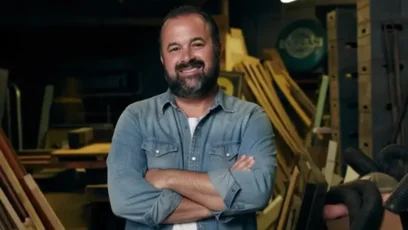
Ladd Drummond and his brother Tim share executive management. They divide the vast territory geographically, with each overseeing specific ranch units and operations.
Their partnership works because of a lifetime of shared experience. They can make rapid decisions without bureaucratic friction.
Managing 433,000 acres with a surprisingly lean staff requires delegation and trust. The full-time cowboy crew handles daily operations under Josh Sellers’ supervision.
Seasonal labor swells during branding and shipping, following the traditional neighboring system where local ranches trade workers for big jobs.
Succession planning is underway. Paige Drummond recently returned to the ranch full-time after college, becoming the first of the fifth generation to take a permanent operational role.
This knowledge transfer is critical. Understanding which pastures flood in spring, where the best water sources are, how to read the grass condition, and maintaining relationships with neighbors takes years to learn.
In 2025, the family launched a YouTube channel called “Drummond Ranch” that focuses on actual ranching operations rather than cooking. The content covers shipping cattle, fixing fences, and weather challenges. Ladd, Tim, and the cowboys are the protagonists, with Ree in a supporting role.
It’s a signal that the next chapter centers the ranch itself, not just the lifestyle brand built around it.
The Business Reality Behind the Brand
The Pioneer Woman media empire generates headlines, but the ranch is the foundation that makes the brand authentic. Without the real cattle, the real grass, and the real cowboys, the whole thing would be fiction. The ranch provides the fact.
The family has successfully integrated media with agriculture in a way few have managed. The visibility from The Pioneer Woman show drives tourism to Pawhuska businesses, which generates liquidity that most ranching families don’t have.
That cash flow allows investments in infrastructure, genetics, and land improvements that strengthen the core cattle operation.
But make no mistake: this is a serious cattle operation first, media property second. The ranch was here before the blog, before the TV show, before the Mercantile. And it’ll be here after.
The Drummonds view themselves as temporary stewards of land that will outlast any individual generation.
Their job is to leave it better than they found it, both ecologically and economically, so the sixth generation can take over someday.
What Makes the Drummond Ranch Different
Scale alone doesn’t make the Drummond Ranch remarkable. Plenty of operations run more cattle or control more acres.
What sets this ranch apart is the combination of traditional methods (horseback work, prescribed fire, rotational grazing) with modern business diversification (BLM contracts, direct-to-consumer sales, media integration).
It’s a 19th-century operation powered by a 21st-century business model. They’re preserving native prairie while running a profitable cattle business. They’re teaching the next generation cowboy skills while building a digital media presence. They’re balancing tourism promotion with operational privacy.
The ranch survived the Great Depression, the farm crisis of the 1980s, droughts, market crashes, and a global pandemic.
That resilience comes from diversification, land stewardship, and the willingness to adapt without abandoning core principles.
As ranching consolidates into fewer, larger operations and family farms disappear across rural America, the Drummond Ranch stands as both an outlier and a potential model.
It proves that with strategic diversification, ecological stewardship, and a long-term vision, ranching can still work as both a business and a way of life.
Four generations in, with the fifth taking their places, the Drummond Ranch continues to do what it’s always done: raise cattle on Oklahoma grass, preserve the prairie, and adapt to whatever economic reality comes next.
That’s the real story behind the TV show, the restaurants, and the lifestyle brand.
It’s 433,000 acres of grass, water, and cattle managed by people who understand that the land will outlast them all.